
Ultimate Guide: Disc vs Rotary Drum vs Extrusion Granulator
Choosing the right fertilizer granulator machine is one of the most important decisions in fertilizer production. It affects granule quality, production efficiency, and long-term operating costs. This fertilizer granulator comparison explains the differences between disc, rotary drum, and extrusion granulators so you can select the best fertilizer granulator for your NPK fertilizer production line or organic fertilizer granulator machine project.
Why Granulation Method Determines Line Success
Granulation directly affects granule strength, nutrient uniformity, and shelf stability. It also determines the configuration of downstream drying, cooling, and screening equipment. Disc granulators use wet disc pelletizing, rotary drum granulators use wet drum rolling, and extrusion granulators use dry extrusion molding. Choosing the wrong fertilizer granulation equipment can cause weak granules, high recycle ratios, dust problems, and fertilizer granulation machine cost overruns that exceed budget.
Three Main Fertilizer Granulation Equipment Types
Disc Granulator
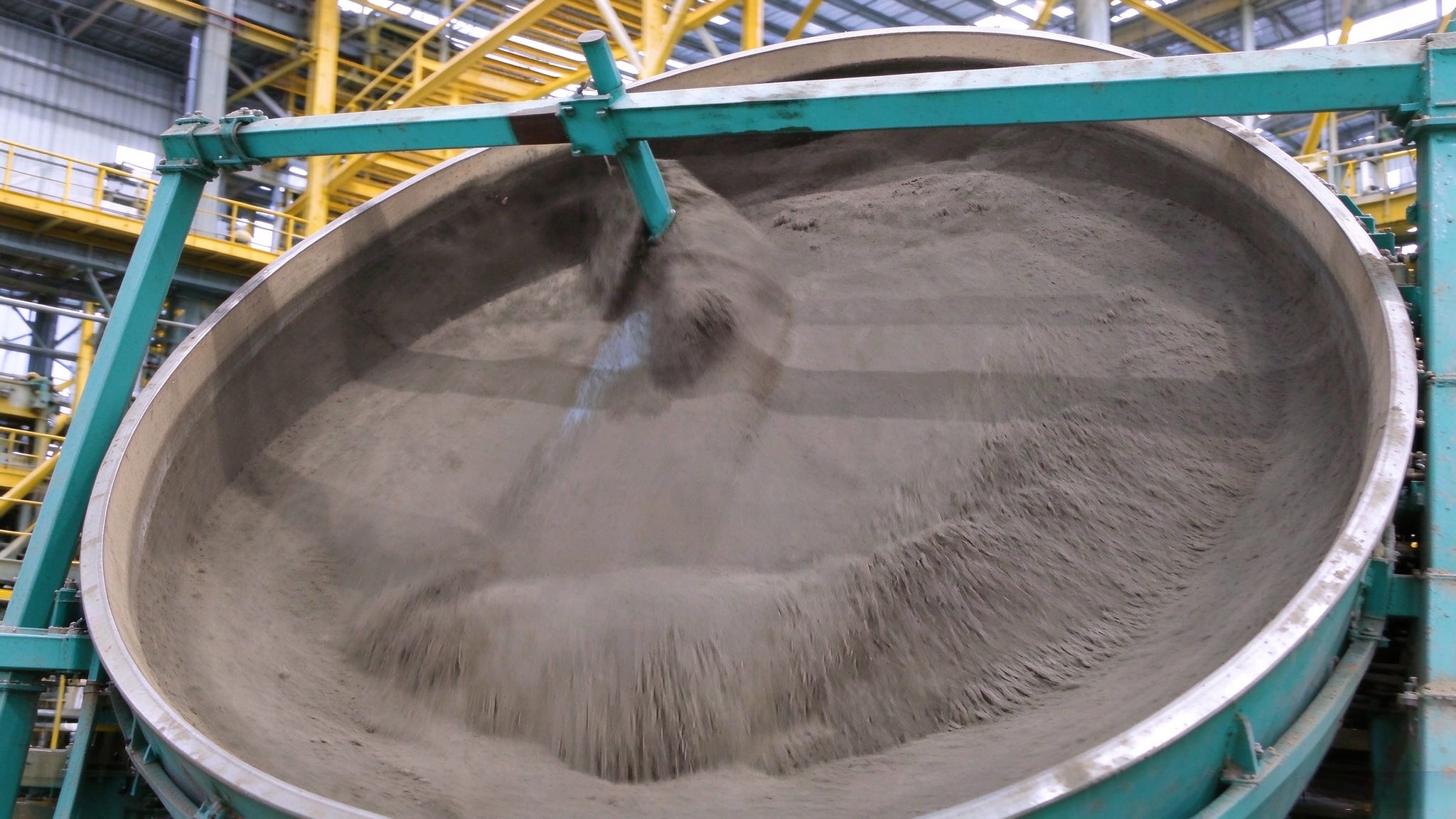
The disc granulator is a popular choice for small-to-medium fertilizer lines. An inclined disc rotates at 12–28 RPM with a tilt angle of 35°–55°, causing moistened material to tumble and form round granules. The balling rate can exceed 93%, and capacity ranges from 1–6 TPH. As a fertilizer pelletizer machine, it offers low investment, simple structure, and easy maintenance. Power consumption is only 8–12 kWh/t, and wear parts such as scrapers and disc liners are inexpensive to replace. Limitations include reliance on a wet process, need for drying and cooling, and higher challenges in dust and vapor control.
Rotary Drum Granulator
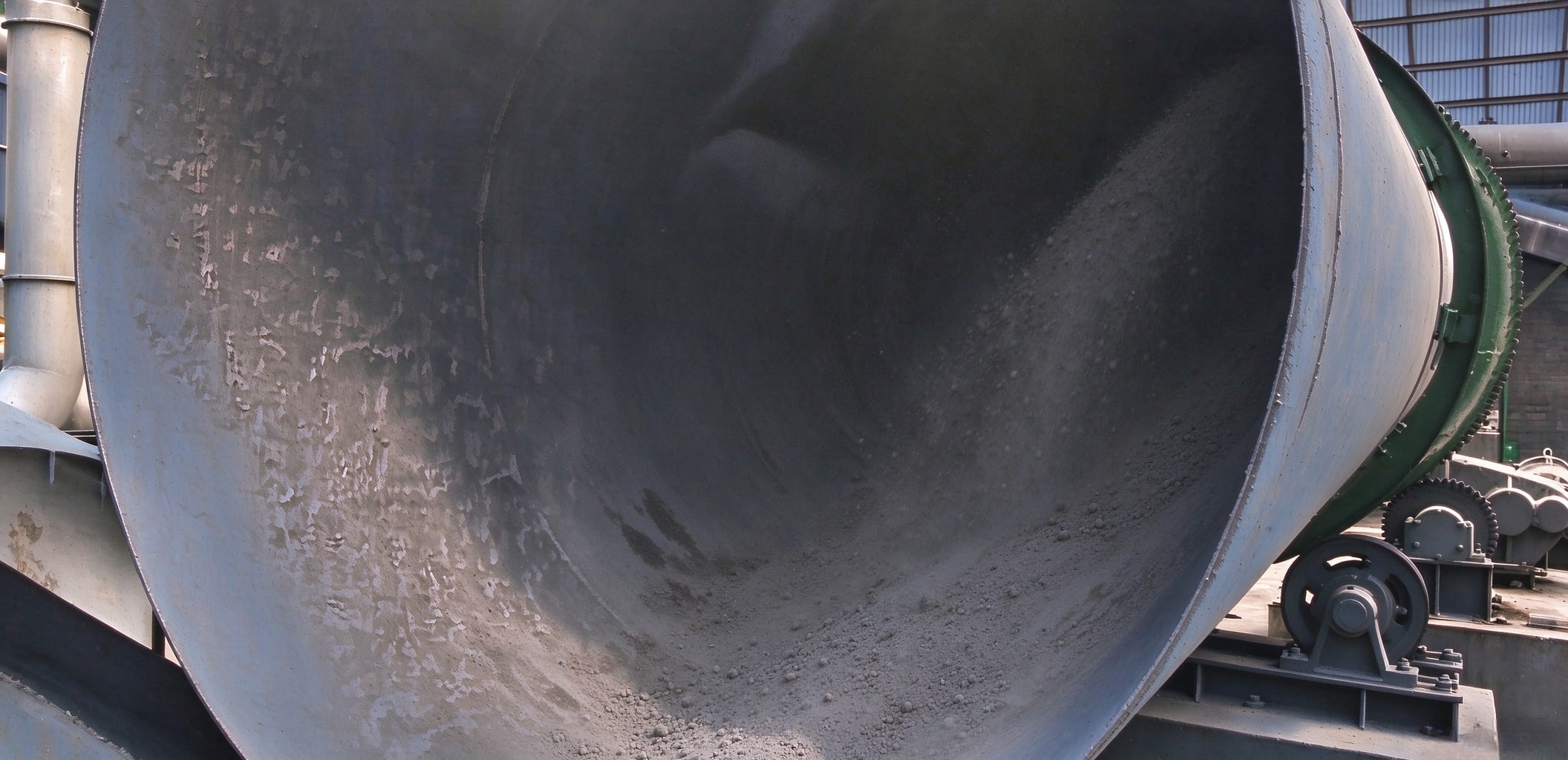
The rotary drum granulator is the mainstay for large-scale NPK fertilizer production line projects. Material enters an inclined rotating drum with internal steam or liquid spray. Continuous tumbling promotes liquid-phase reactions and high-density agglomeration. The drum is often lined with rubber or stainless steel to reduce sticking. Fill rate is 15%–20%, and slope is 2.0%–5.0%. Capacity reaches 10–30+ TPH, making it ideal for high-volume compound fertilizer granulation equipment projects. It produces strong, dense granules and allows better pollution control. However, it has a large footprint, high investment, and requires skilled operation to adjust speed, tilt, and spray volume.
Extrusion Granulator (Double-Roll)
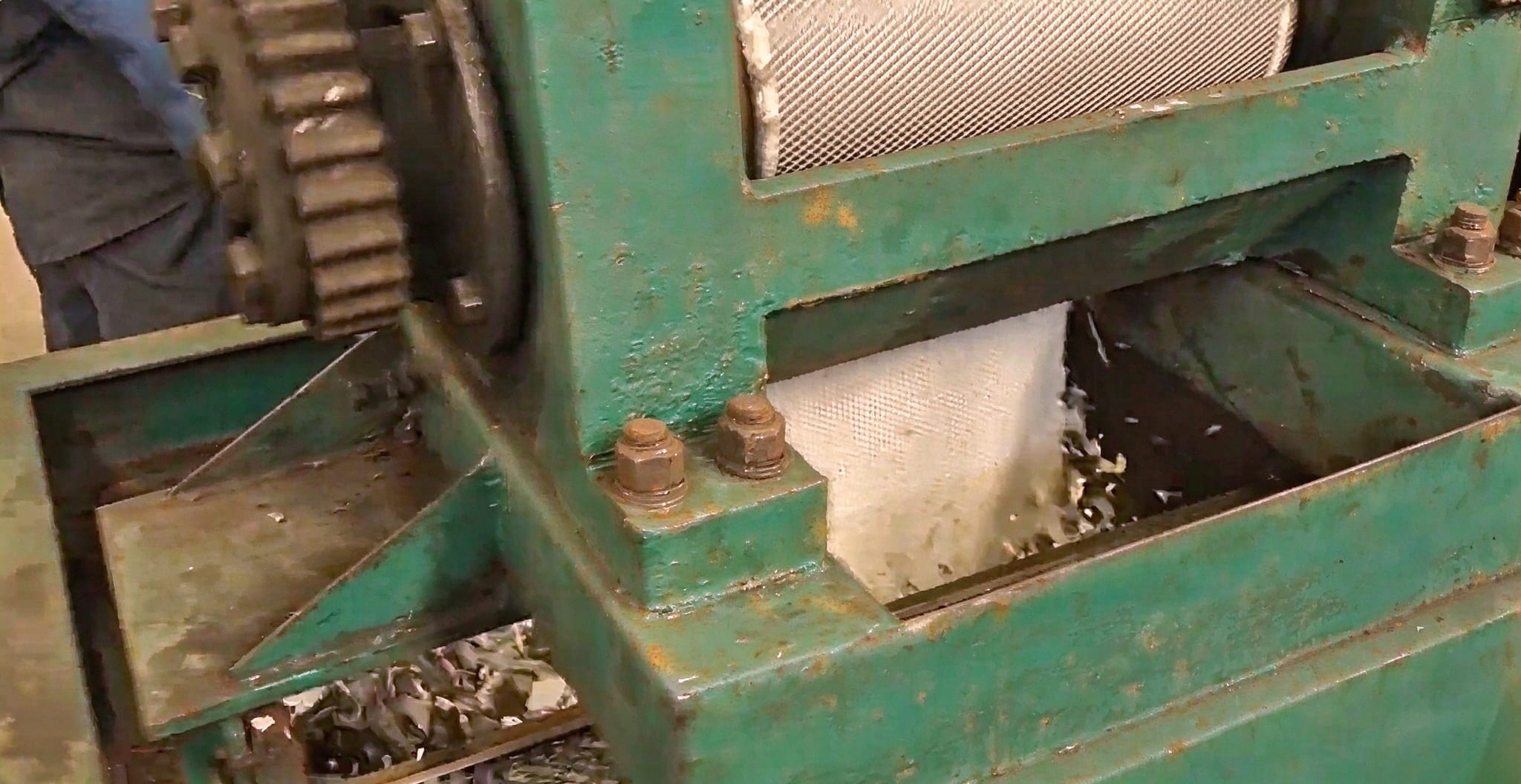
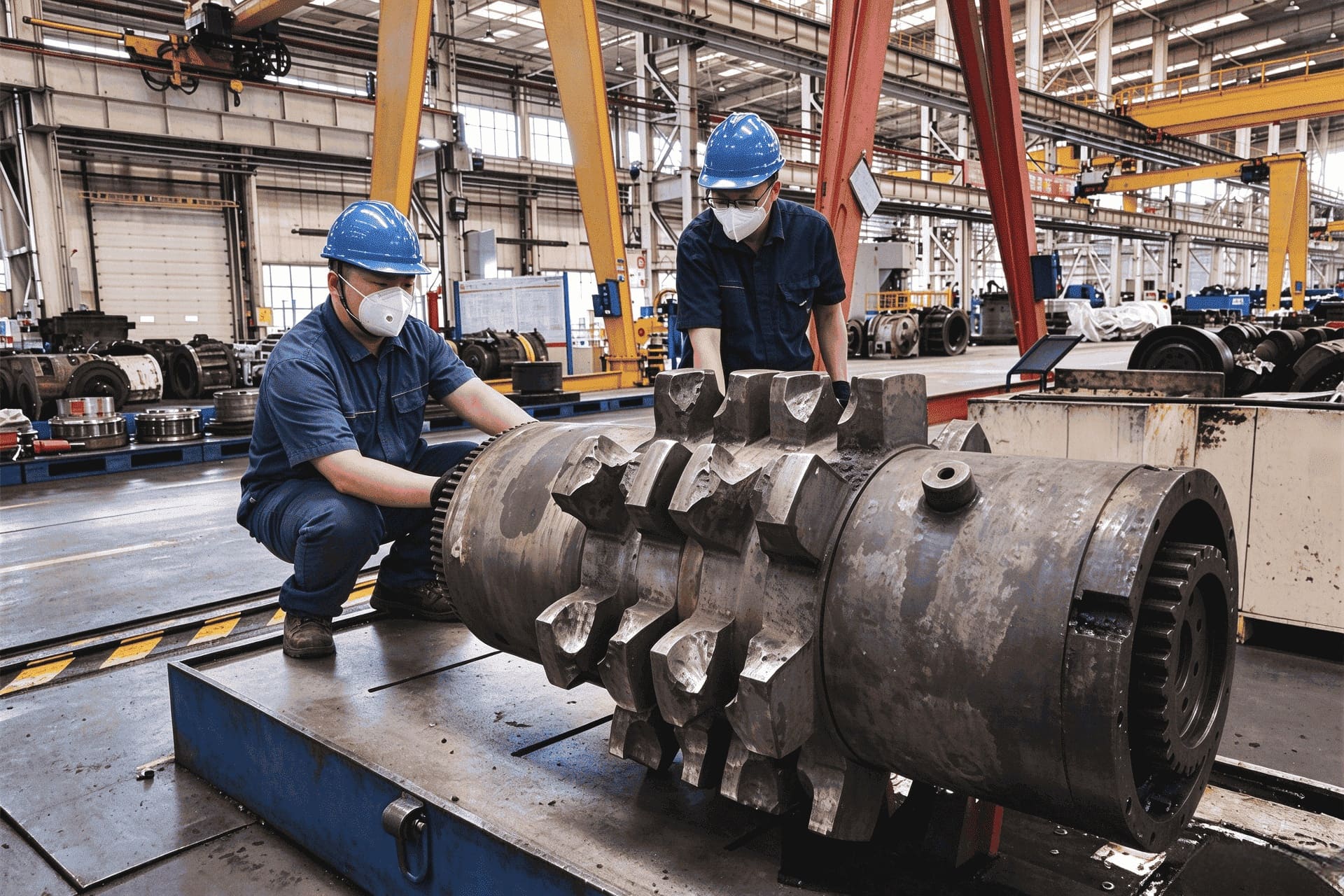
The double roller extrusion granulator is a dry granulation fertilizer equipment solution. Two counter-rotating alloy rollers compress dry powder with 1%–5% moisture into solid sheets, which are then crushed and screened into granules. Capacity is about 1.5–3 TPH per unit. Its biggest advantage is zero thermal energy consumption—no hot blast stove or rotary dryer is needed, cutting fuel costs by up to 40%. Granules form at ambient temperature, giving high hardness and resistance to caking. Shapes can be customized by changing molds. Limits include dry powder only, oblong or pillow-shaped granules, and molds that require periodic replacement.
Selection Decision Framework
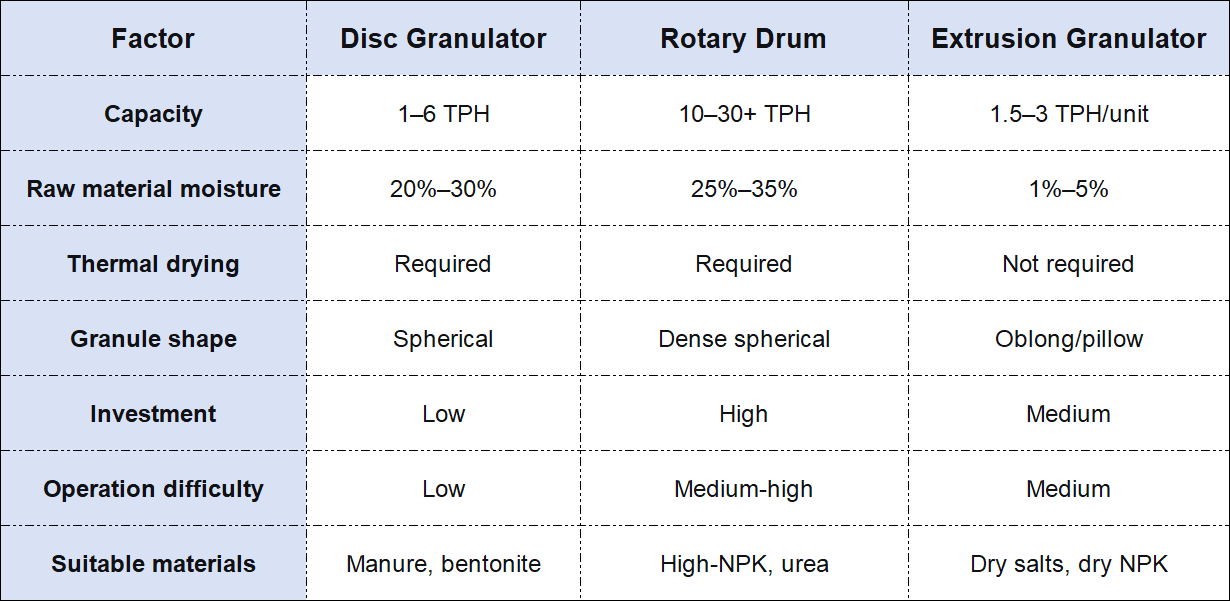
Recommendation: If your raw material has high moisture and your target is 1–6 TPH, a disc granulator offers the best fertilizer granulation machine cost performance. For 10+ TPH NPK fertilizer production line projects, a rotary drum granulator is technically superior. For dry powders and energy savings, an extrusion granulator—a leading fertilizer pelletizer machine—is the most efficient choice.
Real-World Case References
In a 100,000-ton/year NPK compound fertilizer production line project in Indonesia, the client originally planned a system with a single dryer and cooler. After WEIWO’s assessment of local environmental and operational conditions, we recommended upgrading to a dual-dryer configuration. The client adopted our suggestion, which greatly enhanced thermal efficiency and processing stability, resulting in optimized production performance and product quality. This solution exemplifies our practice of tailoring designs to real-world operating environments to maximize output and reliability.
Conclusion
There is no one-size-fits-all answer for fertilizer granulator machine selection. Raw material properties, target capacity, investment budget, and environmental requirements are the four key decision dimensions. Disc granulators win on low investment and simple operation. Rotary drum granulators win on high output and strong pellets. Extrusion granulators win on zero thermal energy consumption and energy efficiency. Before making a final decision, test your raw materials and run granulation trials. Contact a reliable fertilizer granulator manufacturer for a customized fertilizer granulation equipment proposal and quotation.