
Tube Mill
The Specialized Solution for High-Capacity, Ultra-Fine Grinding and Continuous Processing
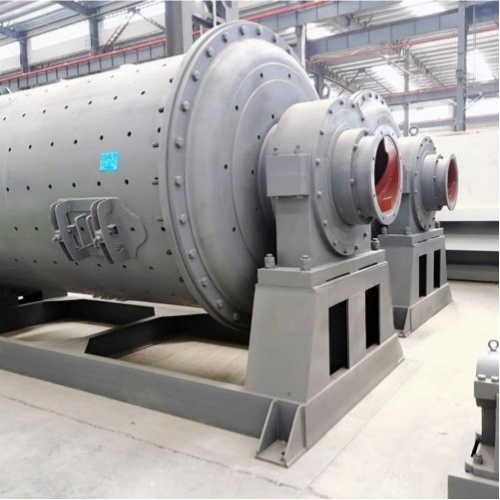
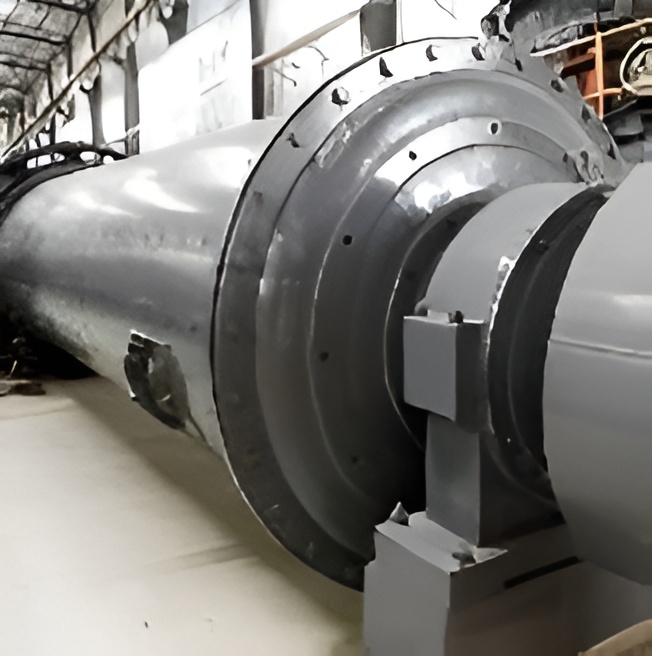
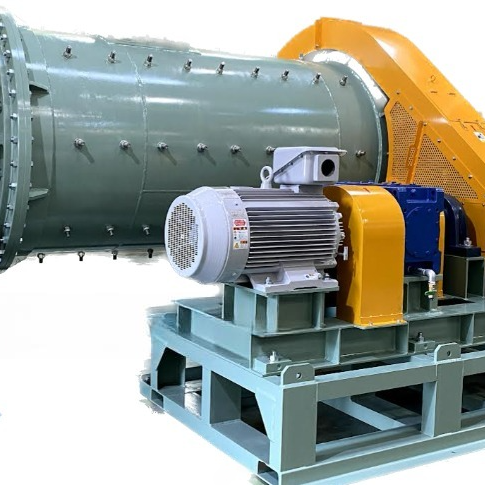
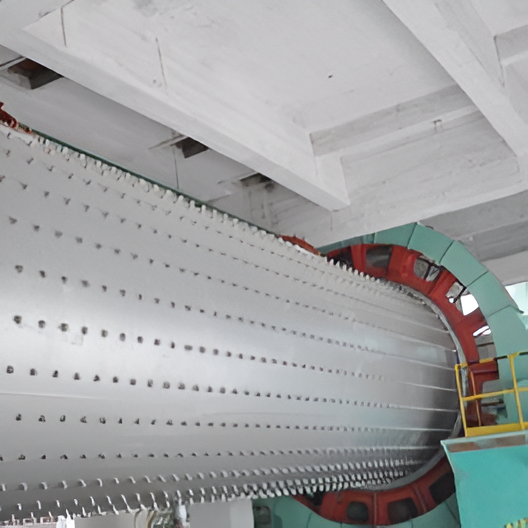
The Tube Mill is a long-cylinder variant of the ball mill, engineered specifically for continuous, large-volume grinding operations requiring a fine to ultra-fine product. Its defining characteristic is a significantly greater length-to-diameter (L/D) ratio, which provides extended material residence time and progressive size reduction stages within a single machine. It is the industry-preferred choice for high-throughput applications like raw meal preparation in cement plants and the fine grinding of industrial minerals.
Key Features
-
High Length-to-Diameter (L/D) Ratio
Typically features an L/D ratio of 3:1 to 6:1 or higher, creating a long grinding path for progressive particle size reduction.
-
Compartmentalized Design (Common)
Often divided into 2 or 3 chambers by diaphragms, each chamber can be loaded with different sizes and types of grinding media (balls, cylpebs) to optimize the grinding process stage by stage.
-
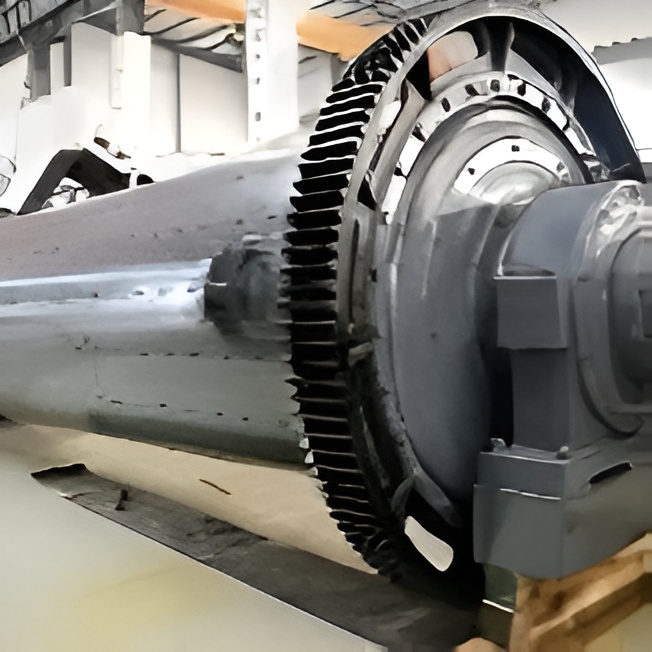
Central or Girth Gear Drive
Equipped with a powerful drive system to handle the significant mass and torque of the long, media-filled cylinder.
-
Continuous Feed & Discharge
Designed for 24/7 continuous operation, with material constantly fed in one end and finely ground product discharged from the other.
-
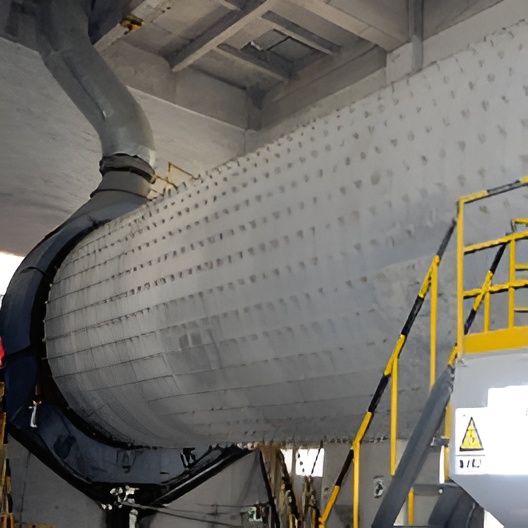
Efficient Air Flow (for dry mills)
Often operates in conjunction with an air classifier in a closed circuit, where internal air flow helps with material transport and cooling.
Advantages
-
Superior Grinding Efficiency for Fine Products
The extended retention time and compartmentalization allow for a controlled, step-wise grinding process, achieving high efficiency in producing fine and uniform powders.
-
High Single-Line Capacity
Enables very large production volumes in a continuous stream, making it ideal for modern, large-scale industrial plants.
-
Excellent Product Consistency
The continuous process and internal design lead to a stable output with a narrow particle size distribution.
-
Optimized Media Utilization
Different media sizes in different chambers ensure efficient use of impact and attrition forces throughout the grinding stages, reducing specific energy consumption.
-
Proven Reliability in Heavy Industry
A cornerstone technology in cement and mining, known for its ruggedness and long operational life.
Applicable Raw Materials
-
Cement Raw Meal (Dry Process)
Limestone, clay, sand, and iron ore mix for kiln feed
-
Industrial Minerals
Silica sand, feldspar, slag, and other minerals requiring fine or ultra-fine grinding
-
Specialty Chemicals & Pigments
For applications demanding a very fine and consistent particle size
-
Coal (for certain systems)
Fine grinding for pulverized coal injection or combustion
Basic Structure & Components

The core rotating body, significantly longer than a standard ball mill.
Perforated partitions that separate the mill into multiple grinding chambers while allowing material to flow through.
Wear liners with different profiles (e.g., lifting liners in first chamber, classifying liners in later chambers) optimized for each stage.
Varying sizes of steel balls or cylpebs loaded into different chambers (larger media in the first chamber for coarse grinding, smaller media in subsequent chambers for fine grinding).
Large-diameter openings at each end of the mill for continuous material flow.
Modern large tube mills commonly use hydrodynamic slide shoe bearings instead of trunnion bearings to support the massive weight.
High-power motor(s), reducer, and a large girth gear mounted on the mill shell.
Includes a discharge diaphragm and an external chamber for final product extraction.
Technical Data
| Parameter | Model TM-3.2×13 | Model TM-3.8×13 | Model TM-4.2×14 |
| Shell Diameter (m) | 3.2 | 3.8 | 4.2 |
| Shell Length (m) | 13 | 13 | 14 |
| Effective Volume (m³) | ~90 | ~130 | ~170 |
| Capacity (t/h, cement raw meal)* | 90 – 110 | 130 – 150 | 170 – 200 |
| Rotation Speed (rpm) | 17.5 – 18.5 | 16.2 – 17.2 | 15.5 – 16.5 |
| Installed Power (kW) | 1600 – 2000 | 2500 – 3000 | 3500 – 4200 |
| Number of Chambers | 2 – 3 | 2 – 3 | 2 – 3 |
| Note: Capacity is for reference with standard cement raw materials. For other materials, capacity varies significantly based on grindability and fineness requirements. All specifications are subject to engineering customization. | |||
Key Differentiators vs. Other Crushers
- vs. Ball Mill
- vs. Chain Mill
- vs. Vertical Roller Mill (VRM)
- vs. Air-Swept Coal Mill
- Overall Position
The primary difference is the L/D ratio and application focus. A standard Ball Mill is more versatile for a wider fineness range and often used for batch or smaller continuous operations. The Tube Mill is specialized for high-capacity, continuous, fine-to-ultra-fine grinding due to its longer retention time and compartmentalized design.
Operates on a completely different principle. A Tube Mill is a media-based tumbling grinder for hard, mineral-based materials. A Chain Mill is an impact crusher/coarse grinder for brittle, organic, or fibrous materials, producing a much coarser product.
Both are used for high-capacity fine grinding. Tube Mills use tumbling media, while VRMs use roller pressure on a rotating table. VRMs often have lower specific energy consumption for dry grinding, but Tube Mills are renowned for their mechanical simplicity, reliability, and ability to handle wet grinding.
A Tube Mill is a general-purpose mineral grinder. An Air-Swept Mill is a highly integrated system combining grinding, drying, and classifying, purpose-built for fuels like coal where simultaneous drying is essential.
It is the high-capacity, continuous process champion for the fine grinding of hard, abrasive minerals, forming the backbone of large-scale production lines in industries like cement, where consistent feed quality and high tonnage are paramount.