
Semi-wet Material Crusher
The Specialized Machine for Efficiently Processing High-Moisture, Sticky, and Fibrous Materials
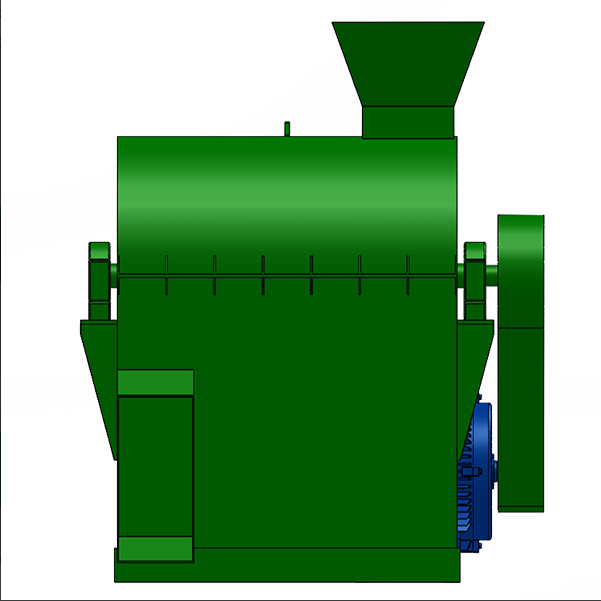
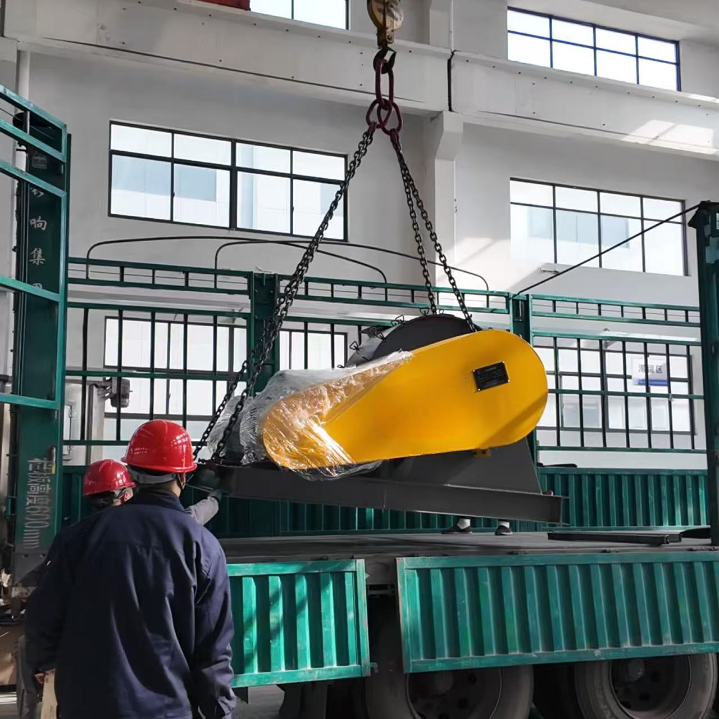
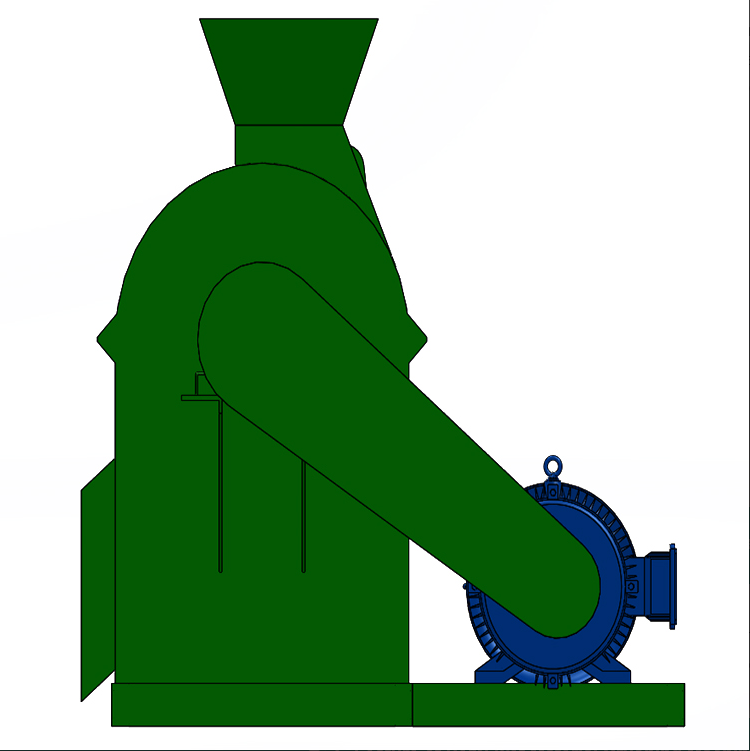
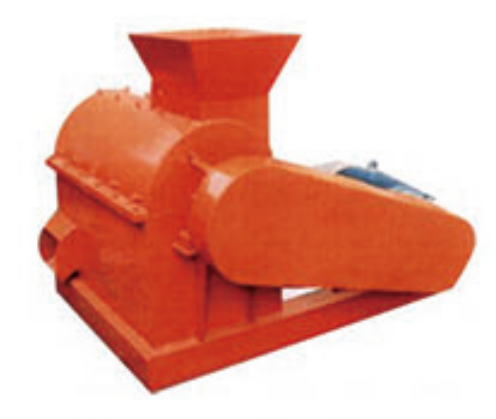
The Semi-wet Material Crusher is a purpose-engineered machine designed to overcome the critical challenges of crushing materials with high moisture content, strong adhesion, or fibrous texture. Unlike conventional crushers that clog or jam, it utilizes a unique rotor with staggered, self-cleaning blades and a screenless design to shear, tear, and extrude materials like filter cakes, organic waste, and wet salts into uniform, small fragments, enabling continuous processing in fertilizer and organic waste recycling lines.
Key Features
-
Anti-Winding Rotor Design
Features a low-speed, high-torque rotor with staggered, hook-shaped blades that actively prevent fibrous or sticky materials from wrapping around the shaft, a common failure point in standard crushers.
-
Screenless, Tear-Type Crushing
Relies on shearing and tearing action between rotating blades and stationary counter-edges (liners) rather than impact against a screen, eliminating the primary source of clogging.
-
Forced Feeding System (Optional)
Often paired with a hydraulic ram or screw feeder to positively push viscous material into the crushing chamber, ensuring consistent feed and processing.
-
Heavy-Duty Construction & Corrosion Resistance
Built with thick steel plates and often features stainless steel components or special coatings in contact areas to resist corrosion from moist, sometimes acidic, materials.
-
Easy-Clean Access & Maintenance
Large inspection and cleaning doors provide full access to the crushing chamber for quick blade maintenance and removal of any rare blockages.
Advantages
-
Unmatched Clogging Resistance
The definitive solution for materials with 25%-50% moisture content that would instantly block a hammer or cage crusher.
-
Continuous, Stable Operation
Enables reliable processing of challenging material streams (e.g., dewatered sludge, manure, press cakes) without frequent downtime for clearing jams.
-
Uniform Output Size
Produces a consistent, pliable fragment or "flake" ideal as feed for subsequent drying, granulation (e.g., extrusion), or composting.
-
Robust & Durable
Engineered for the high mechanical stresses of processing dense, wet masses, resulting in long service life and low wear part consumption relative to the difficulty of the task.
-
Versatile in Niche Applications
Fills a critical gap in processing chains for organic fertilizer, biogas plant digestate, and certain industrial byproducts.
Applicable Raw Materials
-
High-Moisture Organic Waste
Dewatered manure, biogas residue (digestate), sewage sludge, food waste, and press cakes from agricultural processing.
-
Wet Fertilizer Intermediates
Filter cakes from phosphate or compound fertilizer production, moist ammonium salts.
-
Fibrous Materials
Straw, grass, spent mushroom substrate, and other plant-based materials when moist.
-
Sticky Industrial Byproducts
Certain chemical and food industry byproducts with paste-like consistency.
Basic Structure & Components
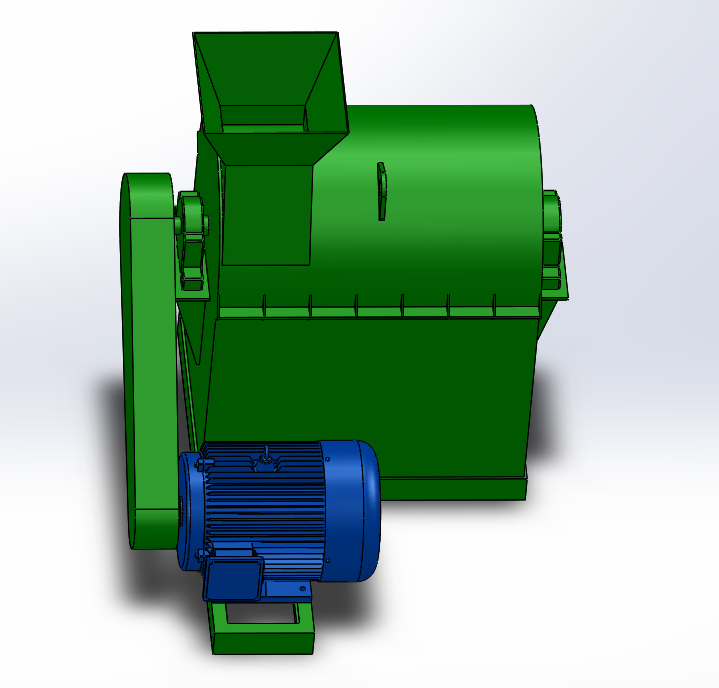
A reinforced, sealed chamber that withstands internal pressure and contains the process.
The core component, a solid shaft mounted with multiple sets of durable, replaceable cutting blades arranged in a staggered pattern.
Fixed blades or liners mounted inside the housing, against which the rotor blades shear the material.
A low-speed, high-torque hydraulic motor or an electric motor with a heavy-duty gear reducer.
A hopper integrated with a hydraulic pusher arm or a screw conveyor to ensure positive feed into the crushing zone.
An open outlet for the processed material to exit.
Provides power for the hydraulic drive and feeding mechanism.
Provides structural support and alignment.
Technical Data
| Model | BSFS-40 | BSFS-60 | BSFS-90 | BSFS-110 |
| Yield (t/h) | 1-2 | 2-4 | 4-8 | 10-15 |
| Particle Size (mm) | 0.5-5 | 0.5-5 | 0.5-5 | 0.5-5 |
| Power (kW) | 11-15 | 18.5-22 | 30-37 | 45-55 |
| Dimensions (L×W×H mm) | 1300×1200×1050 | 1680×1400×1400 | 2120×2040×1800 | 2160×2276×1880 |
Key Differentiators vs. Other Crushers
- vs. Hammer/Cage/Jaw Crushers
- vs. Two-Stage Crusher
- vs. Chain Crusher
- vs. Shredder/Grinder
- Overall Position
These are designed for dry or semi-dry, brittle materials and will catastrophically clog with semi-wet feed. The Semi-wet Crusher uses a low-speed, shearing, screenless principle specifically for high-moisture, adhesive masses.
While both offer good clog resistance, the Two-Stage Crusher is often more focused on impact/tearing of lumpy, somewhat fibrous materials (like dry compost lumps). The Semi-wet Crusher is specifically engineered for higher moisture content, paste-like consistency, and often employs a forced feed system for positive material intake.
A Chain Crusher is best for dry, brittle, low-density organics (like dried manure). The Semi-wet Crusher handles wet, dense, and sticky materials that would simply form a pasty mass and not fluidize in a chain crusher.
It is a crusher designed for fertilizer and bulk waste processing, prioritizing robustness, continuous throughput, and handling extreme moisture over producing a fine, uniform grind. It is an industrial process machine, not a precision grinder.
It is the essential, non-negotiable equipment for any fertilizer production line that must incorporate high-moisture organic wastes, filter cakes, or other wet, sticky byproducts into its process flow. It solves a specific and difficult materials handling problem.