
Manure Reception & Pre-Mixer
The Robust Primary Conditioning Unit for Homogenizing Raw Waste and Optimizing Compost Feedstock
The Manure Reception & Pre-Mixer is a heavy-duty, integrated station designed as the first active step in organic fertilizer production. It efficiently receives raw, solid-rich livestock manure (from poultry, cattle, or swine), optionally removes coarse contaminants, and thoroughly blends it with dry amendments like straw, peat, or corrective powders. Its primary function is to transform heterogeneous, often clumpy waste into a homogeneous mixture with an optimized moisture content and Carbon-to-Nitrogen (C/N) ratio, creating the ideal feedstock for rapid and efficient composting or digestion.
Key Features
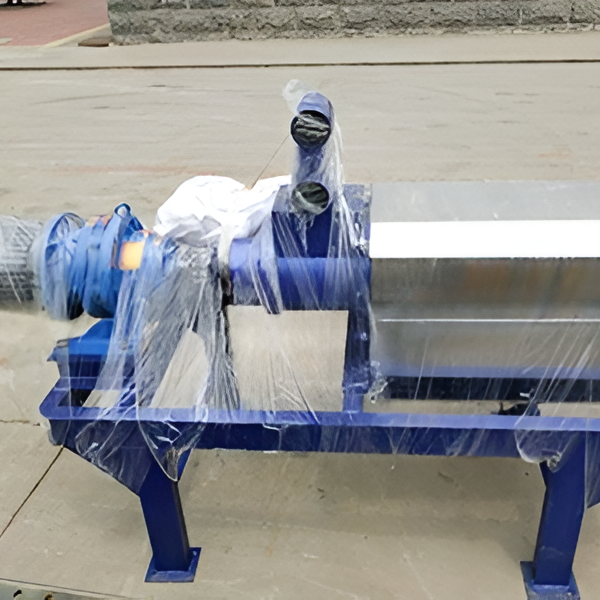
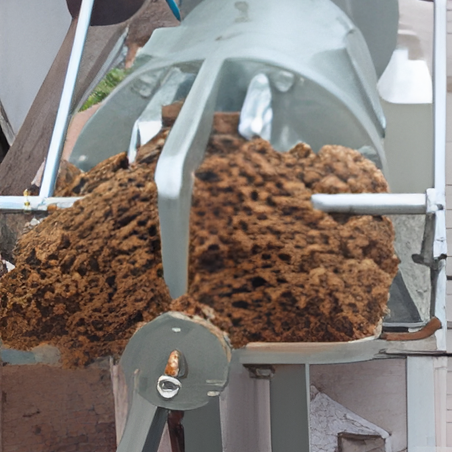
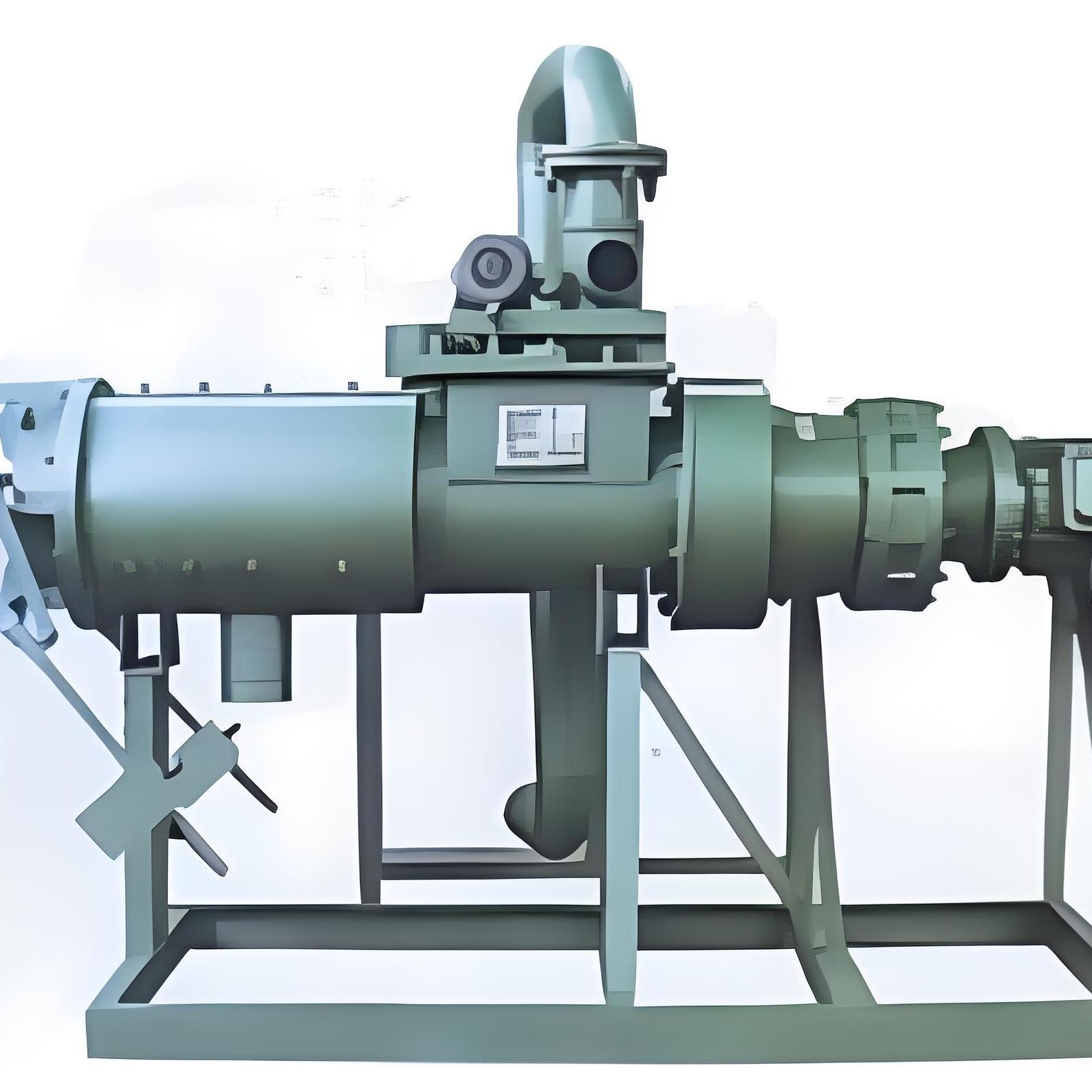
-
Reception Hopper with Grizzly/Grid
A large, reinforced hopper with a bar screen to catch large debris (stones, plastic, bedding clumps) during initial dumping, protecting downstream equipment.
-
Powerful Mixing Mechanism
Utilizes a dual-shaft paddle mixer or a heavy-duty ribbon mixer within a trough to forcefully blend wet manure with dry amendments, ensuring complete homogenization even with sticky, fibrous materials.
-
Controlled Amendment Feeding
Integrates a weigh belt or volumetric feeder for the controlled addition of dry bulking agents or carbon-rich materials to accurately adjust the C/N ratio.
-
Moisture Monitoring & Adjustment (Optional)
Can be equipped with moisture sensors and liquid addition spray bars to actively adjust the mixture toward the target moisture range (typically 50-60%).
-
Robust, Corrosion-Resistant Construction
Built with high-grade steel, abrasion-resistant liners, and sealed bearings to withstand the corrosive, abrasive, and high-moisture operating environment.
Advantages
-
Creates Optimal Fermentation Conditions
By ensuring a uniform mix with the right balance of carbon, nitrogen, and moisture, it significantly accelerates the subsequent composting process and improves final product stability.
-
Protects Downstream Equipment
Removes oversized contaminants that could damage conveyors, turners, or granulation machinery.
-
Enhances Process Consistency
Delivers a steady stream of uniform feedstock to the composter or digester, leading to more predictable and controllable biological activity.
-
Reduces Manual Handling & Improves Hygiene
Mechanizes the most labor-intensive and unpleasant initial handling steps, creating a cleaner and safer working environment.
-
Increases Overall Plant Efficiency
Pre-conditioning the waste prevents operational issues in later stages (e.g., anaerobic clumps in windrows), maximizing the throughput and efficiency of the entire line.
Applicable Raw Materials
-
Solid Livestock Manure
Chicken/poultry litter, cow dung, horse manure, sheep/goat manure.
-
Dry Amendments & Bulking Agents
Chopped straw, rice husks, sawdust, peat moss, recycled dry compost.
-
Corrective Additives
Lime, rock phosphate, or other powdered minerals used for pH adjustment or nutrient enhancement.
Basic Structure & Components
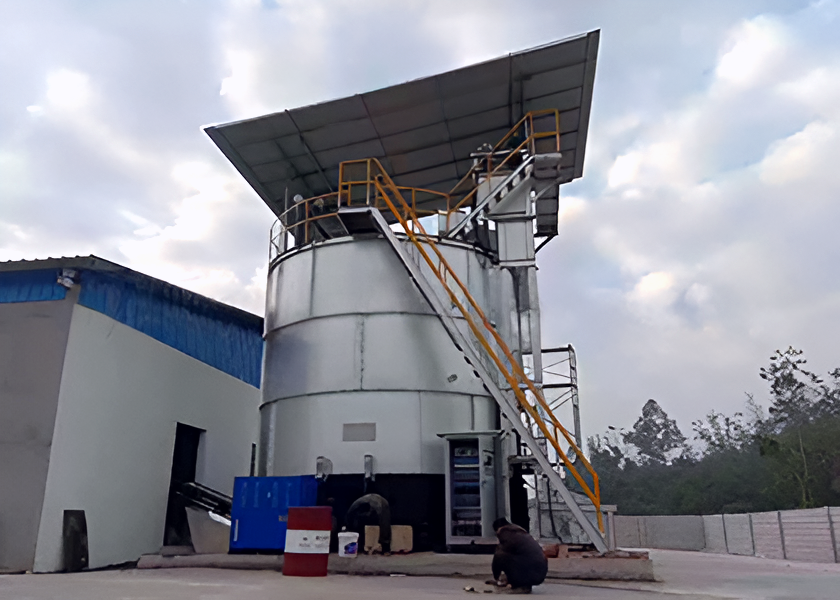
The entry point for front-end loader dumping, featuring a sloped grid.
A belt or chain conveyor that transfers screened manure to the mixer.
A trough or chamber housing the mixing mechanism (paddles or ribbons).
A storage hopper and metering feeder for dry materials.
Water tank, pump, and spray nozzles for moisture adjustment.
Powerful motor and gear reducer to drive the mixing shafts.
A large outlet at the mixer bottom to discharge the homogeneous batch.
For operating the conveyor, mixer, and feeders.
Technical Data
Parameter | Main Engine | Pump | Vibration Machine |
Power (kW) | 4-5.5 | 3.0-4.0 | 0.18 |
Rotating Speed (r/min) | 33 | 1450 | 1450 |
Voltage (V) | 380 | 380 | 380 |
Model 260 | Cow Manure Slurry | Pig Manure Slurry | Chicken Manure Slurry |
Average Efficiency (m³/h) | 10 | 20 | 7 |
Model 180 | Cow Manure Slurry | Pig Manure Slurry | Chicken Manure Slurry |
Average Efficiency (m³/h) | 6 | 12 | 4 |
Key Differentiators vs. Other Systems
- vs. Simple Conveyors or Hoppers
- vs. Standalone Mixers (for dry materials)
- vs. Full “Excrement Treatment System”
- vs. Windrow Turning Alone
- Overall Position
This is an active processing unit, not just a transfer device. It conditions and homogenizes the material, whereas basic conveyors only move it.
Specifically engineered for the high-moisture, high-fiber, and abrasive nature of raw manure, with features like debris screens and reinforced shafts that standard powder mixers lack.
This is a core component focused on solid conditioning. A full treatment system might incorporate this mixer but adds further stages like solid-liquid separation, thermal treatment, or slurry processing for more complex waste streams.
Attempting to mix dry amendments into wet manure solely with a windrow turner is inefficient and incomplete. This pre-mixer ensures intimate, batch-uniform blending before composting begins, leading to faster and more uniform decomposition.
It is the foundational, high-return investment for any serious compost operation using solid livestock manure, transforming a variable waste stream into a standardized, process-engineered feedstock.