Compaction Fertilizer Production Line

Compaction Fertilizer Production Line

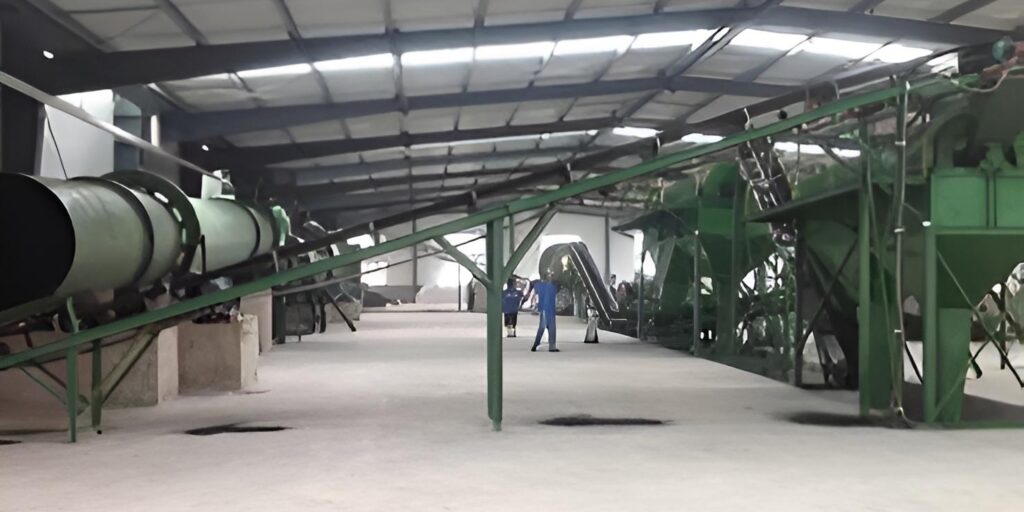
A specialized dry granulation solution for producing high-density, dust-free, and highly soluble fertilizer granules without the use of heat or liquid binders. Our compaction lines are ideal for premium fertilizers like water-soluble formulations, micronutrient blends, and heat-sensitive materials, offering unmatched flexibility and energy efficiency.

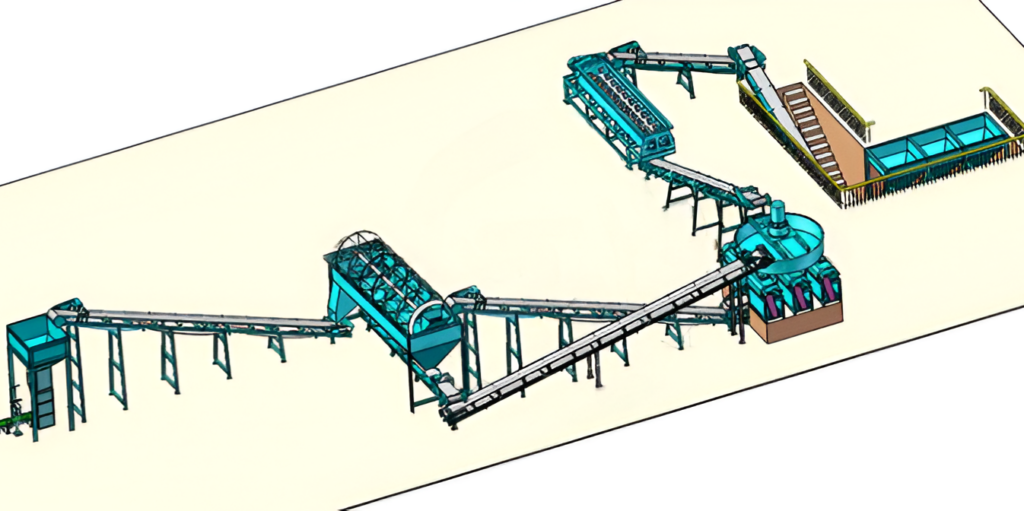
Compaction Fertilizer Production Line Equipment List

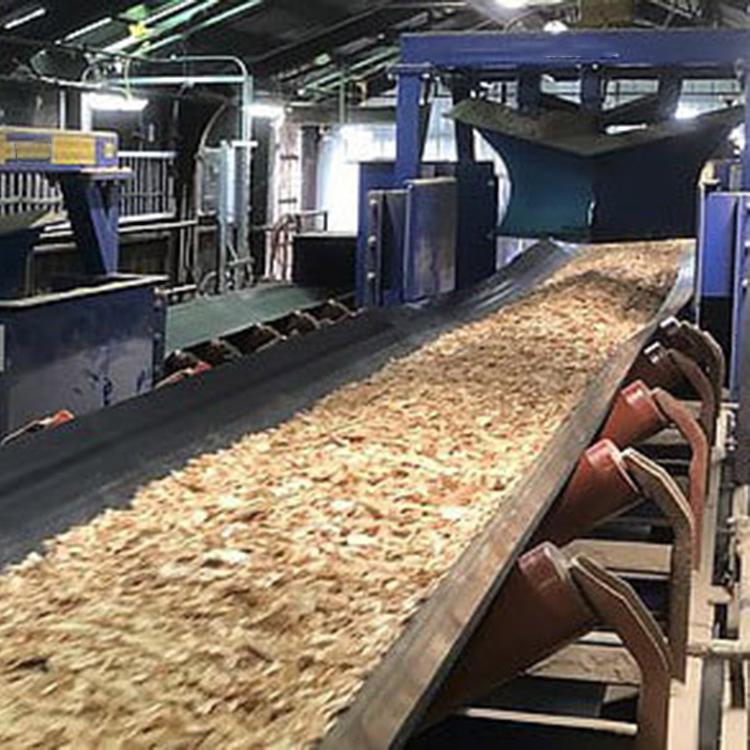
Raw Material Feeding System

Raw Material Pre-Blender
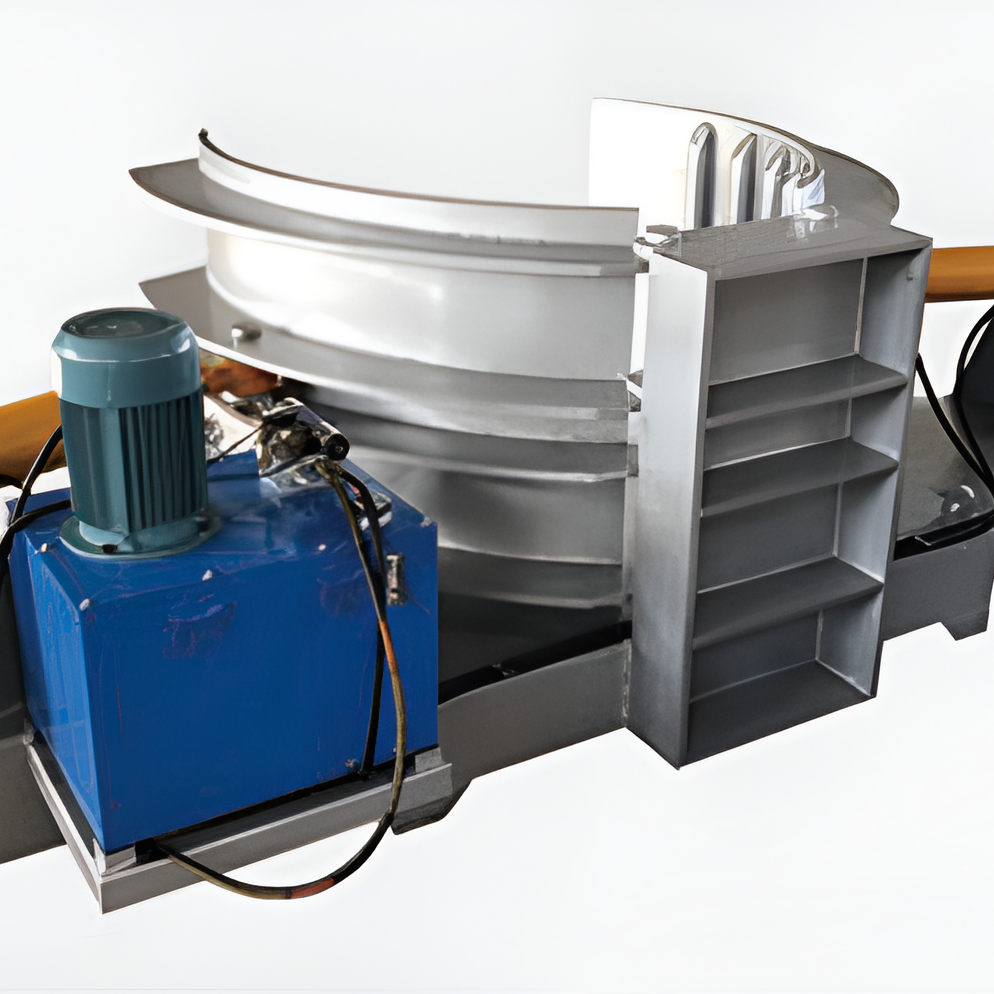
Feed Hopper & Pre-Conditioner
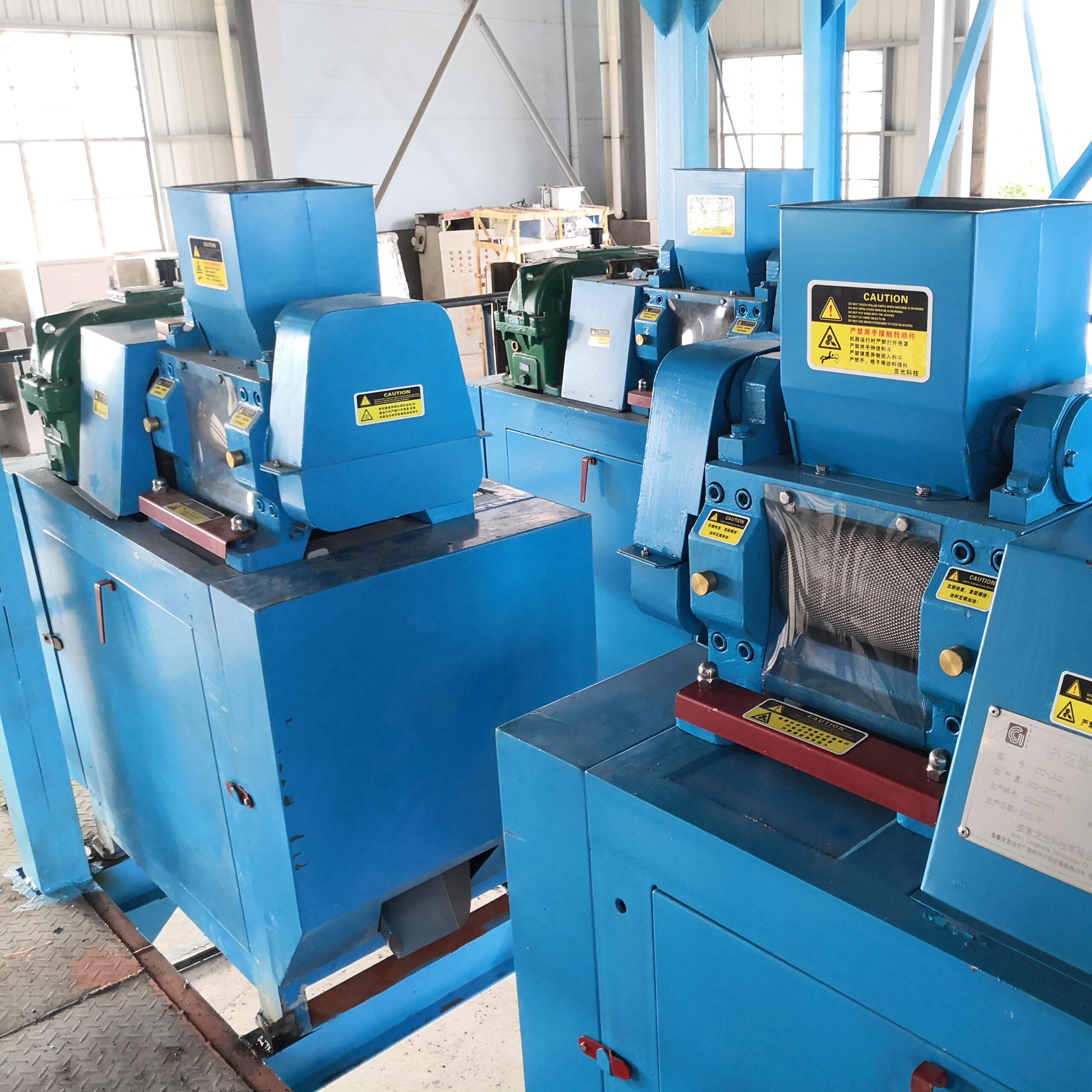
Feed Hopper & Pre-Conditioner

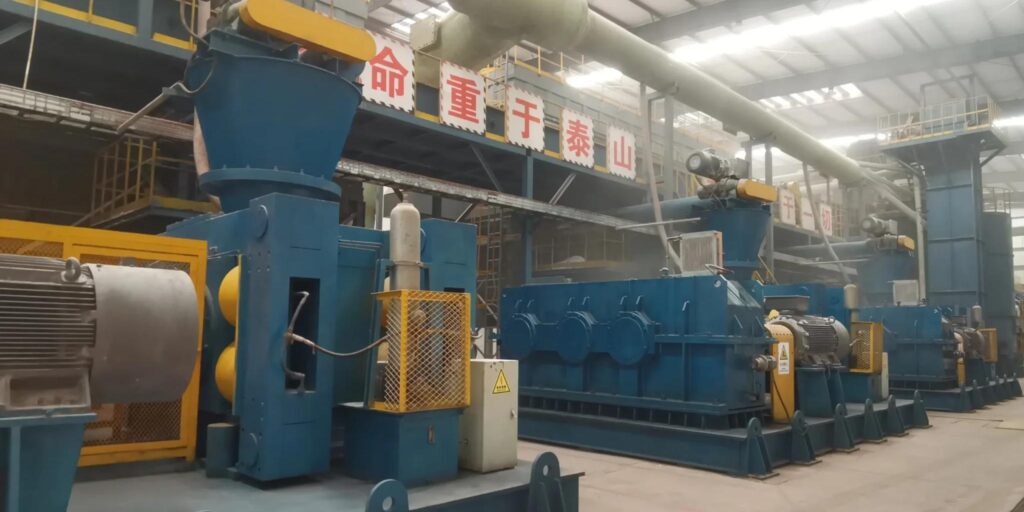
Compaction Unit (Core Machine)
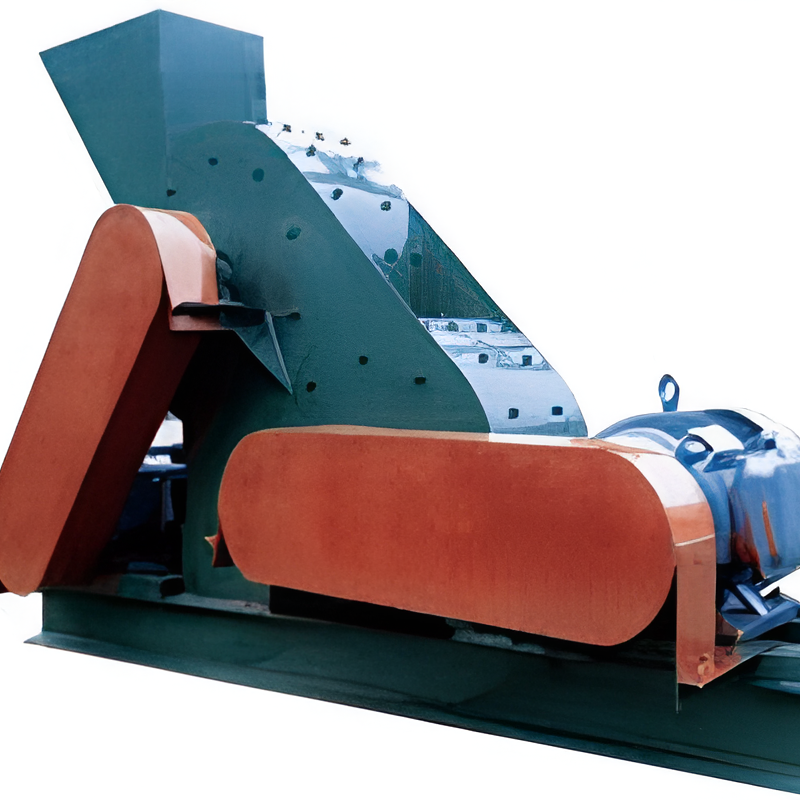
Pre-Breaker / Flake Crusher
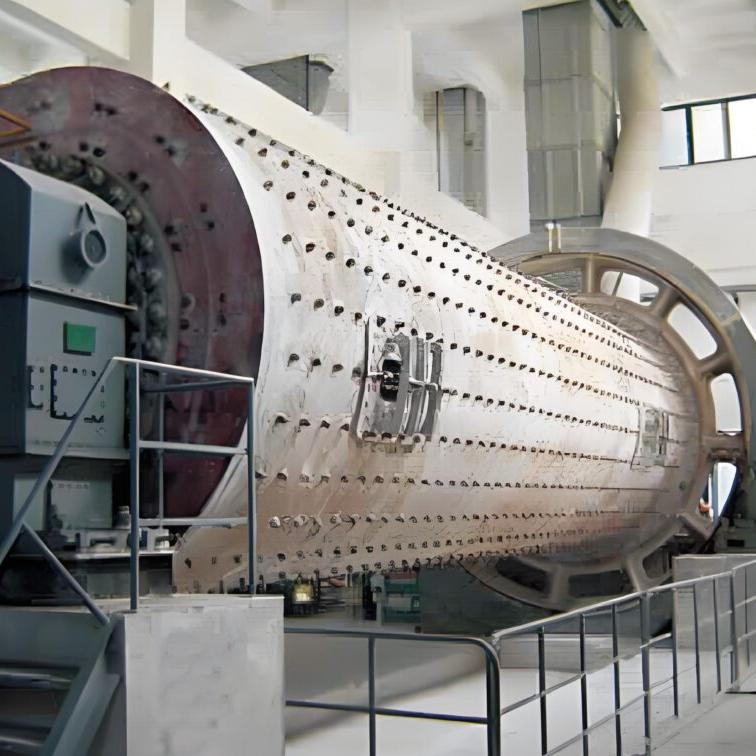
Pre-Breaker / Flake Crusher

Granulation Mill
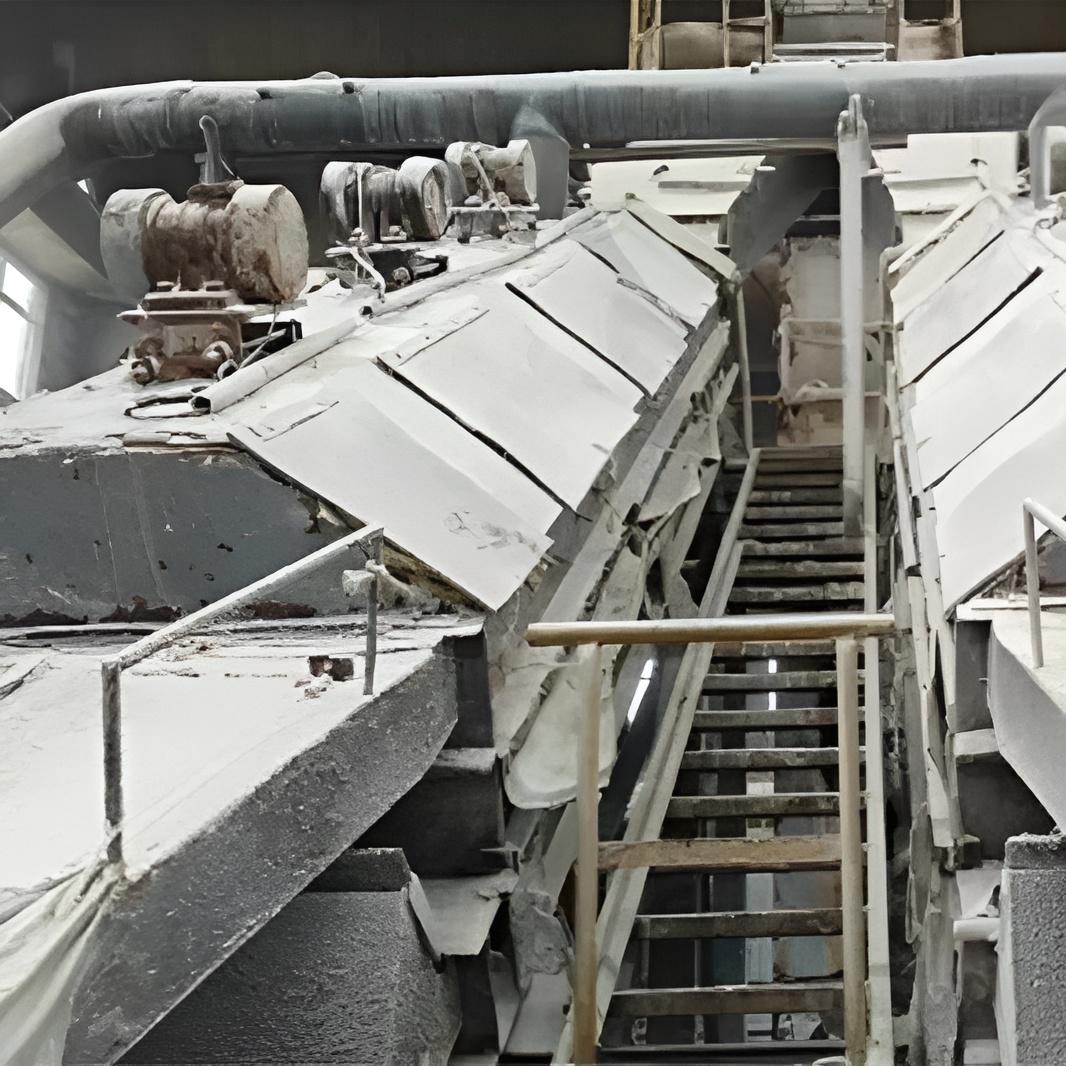
Granulation Mill

Screening & Recycling System

Multi-Deck Vibrating Screen

Recycling System
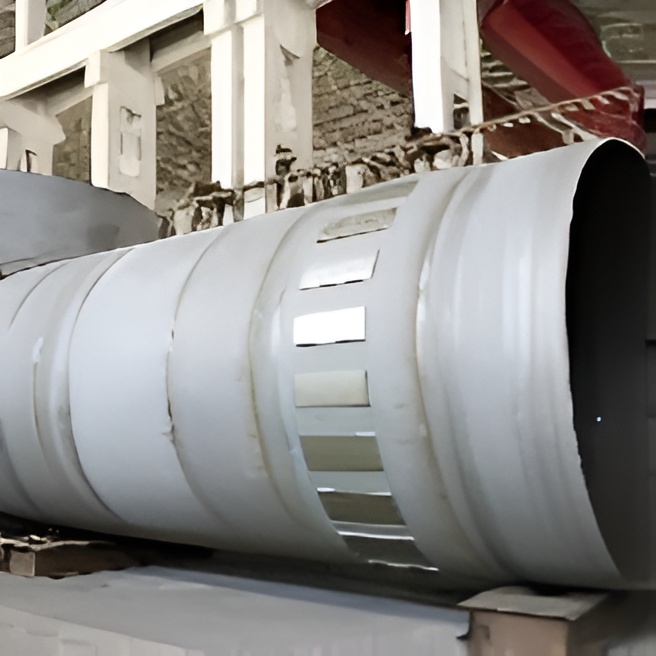
Recycling System

Polishing Drum (Optional)
Polishing Drum (Optional)

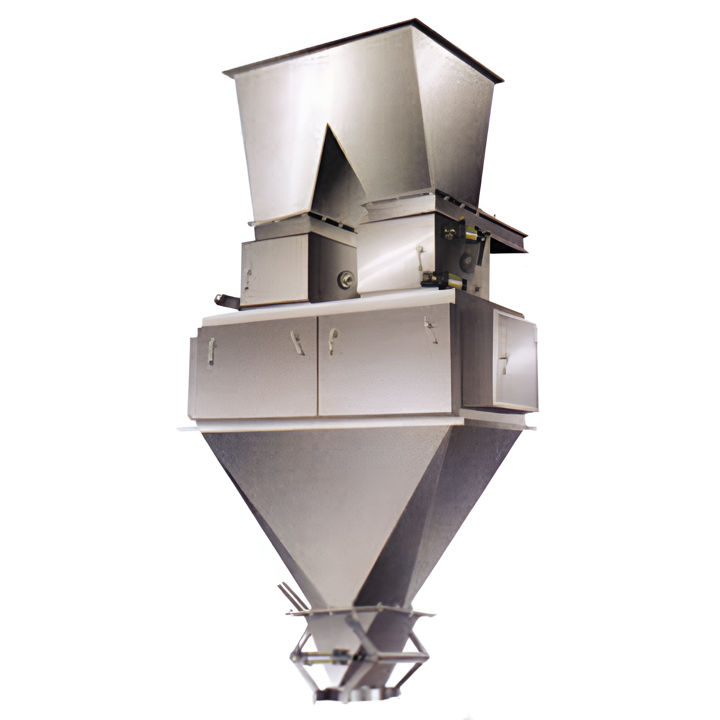
Automatic Packaging Scale

Packaging System

Dust Collection System

Dust Collection Unit

Compaction Fertilizer Production Line Technical Parameters

Parameter

Value / Description

Capacity

1–10 tons per hour (for premium/specialty fertilizers)

Roller Pressure

Adjustable, 20 – 150 MPa (configurable based on material)

Final Granule Density

High (1.2 – 1.5 g/cm³)

Granule Shape

Irregular, angular, or semi-rounded (after polishing)

Particle Size Range

0.5 – 6 mm (customizable via screens)

Solubility (For WSF)

Very High (≥ 95% in cold water)

Process Temperature

Ambient to Slightly Elevated (due to pressure, no external heat)

Automation Level

Basic to Medium (Focus on pressure & feed rate control)

Key Feature

Dry Process – No drying or cooling stage required.

Raw Mterials For Compaction Fertilizer Production Line

  • Primary Nutrient Powders

    Monoammonium Phosphate (MAP powder), Potassium Nitrate, Urea (prilled, ground), Ammonium Sulfate, Sulfate of Potash (SOP powder).

  • Micronutrients & Specialty Additives

    Chelated Trace Elements (Fe, Zn, Mn, Cu, B, Mo powders), Magnesium Sulfate, etc.

  • Fillers & Flow Aids (If needed)

    Very fine Dolomite, Kaolin Clay, or Silica to adjust formula and improve compaction.

Key Requirement: All materials must be in a fine, dry powder form (typically 80-200 mesh) to ensure proper compaction and granule strength.

Compaction Fertilizer Production Process

All raw material powders are accurately weighed according to the specific formula and fed into a dry powder mixer. They are blended for 5-10 minutes until a perfectly homogeneous mixture is achieved. This uniformity is critical for consistent nutrient content in every granule.

The homogeneous powder blend is transferred via a controlled feeder (screw or vibratory) into the feed hopper of the double roller compactor. The feeder ensures a constant and even flow of material into the compaction zone, which is vital for stable operation.

The powder is gravity-fed into the gap between two counter-rotating, heavy-duty rollers. These rollers, driven by a high-pressure hydraulic or mechanical system, exert immense pressure (20-150+ MPa) on the powder.

Under this pressure, the particles are forced together through a combination of van der Waals forces and mechanical interlocking, forming a solid, dense sheet or large, fragile flakes (called "briquettes" or "cake") without the need for any liquid binder or heat application.

The compacted sheet or large flakes discharge from the compactor and immediately enter a primary crusher. This machine, often a gentle hammer mill or toothed roller crusher, breaks the brittle compacted mass into smaller, more manageable chips (typically 5-20mm in size).

The chips are fed into a granulation mill. This mill (e.g., an oscillating granulator with a screen) further reduces the chips by breaking them along natural fault lines, producing the final granular product in a relatively narrow size distribution.

The granules are conveyed to a multi-deck vibrating screen for classification:

On-Spec Granules (e.g., 1-3.5mm) are sent to the next stage.

Oversize Granules are diverted to a small crusher and reduced to fines.

Fines (undersize particles) from both the screen and the crusher are automatically conveyed back to the main compactor feed hopper.

This closed-loop recycling system ensures a very high overall yield (often >95%) and a dust-free operation.

The on-spec granules may pass through a light polishing drum to smooth sharp edges, improving flowability and aesthetic appeal. For water-soluble fertilizers, no coating is applied.

The finished, high-density granules are transferred to an automated packaging line and sealed in moisture-proof bags to protect their quality and solubility.

Compaction Fertilizer Production Line

Advantages

Ideal for Premium & Heat-Sensitive Formulations

The completely dry and low-temperature process perfectly preserves the chemical integrity of sensitive materials like urea, ammonium nitrate, and chelated micronutrients. It is the preferred method for manufacturing high-quality water-soluble fertilizers (WSF) and specialty blends without degradation.

Exceptional Formulation & Product Flexibility

Switch between different fertilizer formulas (NPK blends, CN, KNO3, WSF) in minutes by simply changing the powder mix. The same line can produce both agricultural-grade granules and dense, soluble prills for fertigation/hydroponics.

Significant Energy & Operational Savings

Eliminates the most energy-intensive stages of traditional wet granulation: no drying oven and no cooling drum. This reduces energy consumption by up to 60-70%, dramatically lowering production costs and carbon footprint.

Superior Product Characteristics

Produces granules with very high bulk density and crushing strength, reducing packaging and transport volume. The irregular shape improves soil adhesion. The process inherently creates granules with excellent solubility due to the absence of heat-induced crusts or melt-based coatings.

Simple, Robust & Low-Maintenance Operation

With fewer moving parts and no high-temperature zones or liquid binders, the compaction line is inherently easier to operate and maintain. It offers high uptime, lower labor costs, and minimal risk of process-related shutdowns (e.g., no nozzle clogging, no dryer scorching).