
Air-Swept Coal Mill
The Integrated Grinding & Drying System for Efficient Pulverized Coal Preparation
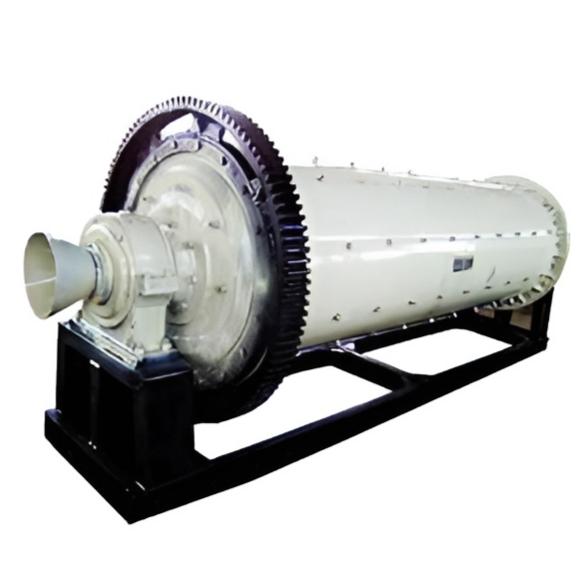
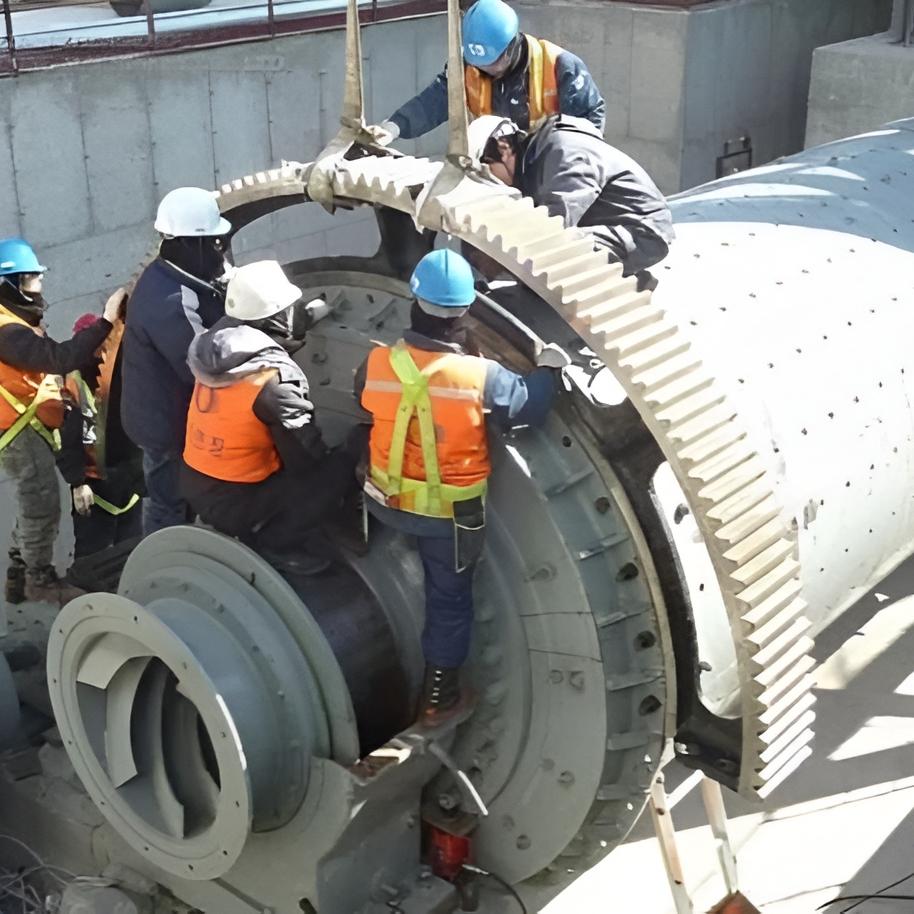
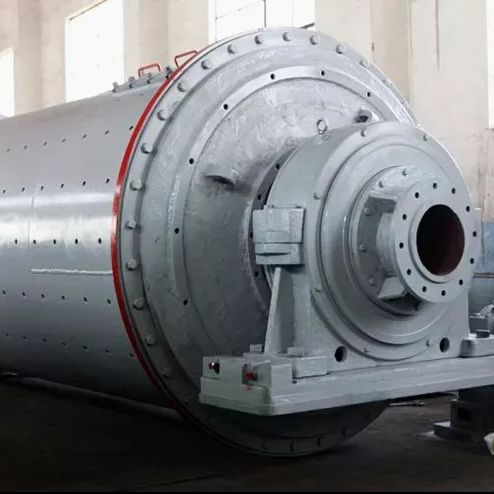
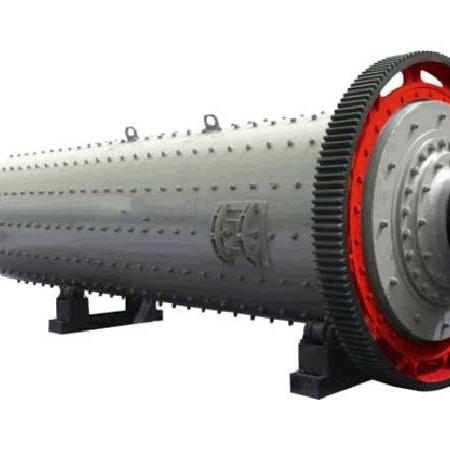
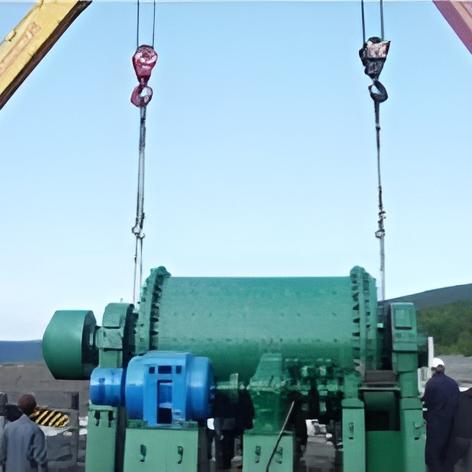
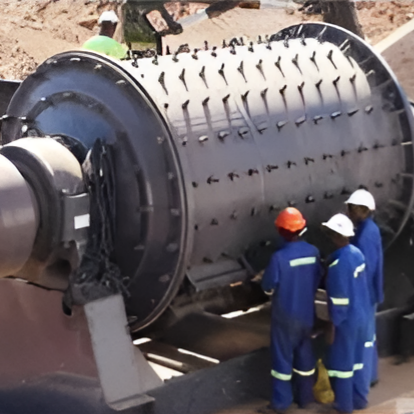
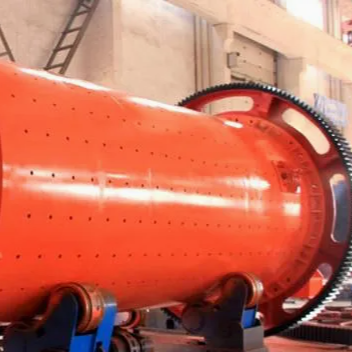
The Air-Swept Coal Mill is a highly specialized grinding system designed to simultaneously pulverize and dry raw coal, producing a fine, consistent powder for combustion. Utilizing hot air as both the drying medium and the transport vehicle, it grinds coal in a race-and-roller or ball-and-race mechanism before pneumatically conveying the eligible product to a dynamic classifier and onward to the burner. It is the heart of efficient fuel preparation for rotary kilns, dryers, and boilers in industrial plants.
Key Features
-
Simultaneous Grinding & Drying
Hot air (typically from a gas heater or waste heat source) is introduced into the grinding zone, evaporating surface moisture from the coal while it is being pulverized.
-
Air-Swept Pneumatic Conveying
The ground coal is carried by the air stream upwards within the mill body, separating the grinding and classification processes.
-
Dynamic Classifier
An integrated, adjustable rotor classifier at the top of the mill ensures only finely ground particles exit with the air stream, while coarse particles are rejected back to the grinding table for further size reduction.
-
Wear-Resistant Grinding Elements
Features durable grinding rollers/tires and a segmented grinding table/ring made from high-chromium or similar wear-resistant materials to handle abrasive minerals in coal.
-
Explosion Safety Features
Designed with pressure relief vents, inert gas (N2/CO2) injection ports, and monitoring systems to mitigate the risk of coal dust explosions.
Advantages
-
High Thermal Efficiency
The direct contact between hot air and coal during grinding maximizes heat transfer for drying, making it ideal for coal with high surface moisture.
-
Compact & Integrated Design
Combines grinding, drying, classification, and pneumatic conveying into a single, space-saving unit, simplifying the overall fuel supply system.
-
Rapid Response & Adjustability
Product fineness and moisture content can be quickly adjusted by changing the classifier speed and hot air temperature/volume, allowing for precise control over combustion conditions.
-
Low Specific Power Consumption
The air-swept principle and efficient grinding mechanism often result in lower energy use per ton of coal ground compared to traditional ball mills.
-
Optimized for Direct Firing
Delivers a continuous, metered flow of pulverized coal directly to the burner, ensuring stable and efficient combustion.
Applicable Raw Materials
-
Bituminous & Sub-bituminous Coal
The primary fuel for most industrial applications
-
Lignite (Brown Coal)
Can be processed, though its higher inherent moisture requires careful thermal balance design
-
Petroleum Coke (Petcoke)
A common alternative fuel requiring fine grinding
-
Biomass (Pre-processed)
Certain dried, granular biomass materials can be co-ground or processed in adapted systems.
Basic Structure & Components
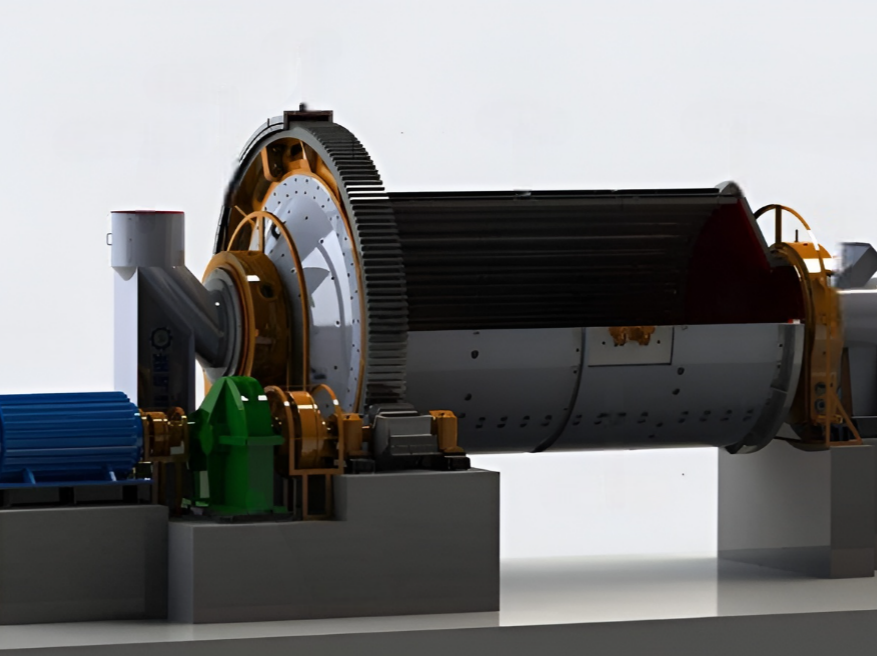
Includes a variable-speed screw feeder or table feeder to ensure a consistent feed rate into the mill.
A driven, segmented table upon which the grinding rollers run.
Two or three hydraulically loaded rollers that exert pressure on the coal bed on the rotating table.
Provides power to rotate the grinding table.
Introduces controlled-temperature hot air from a dedicated furnace or waste heat source around the grinding zone.
The upper chamber where the air-borne coal is classified.
A rotor with adjustable speed blades that performs the final particle size separation.
Insulated steel housing that contains the entire process.
The fan that generates the air flow through the mill system.
Critical safety components to manage pressure and inert the atmosphere if needed.
Technical Data
| Specifications | Rotating speed (r/min) | Grinding media (t) | Feed size (mm) | Main motor | Main reducer | weight (t) | ||
| Type | Power | Type | Speed ratio | |||||
| Φ1.7×2.5 | 24.5 | 7.5 | ≤25 | JR116-6 | 95 | ZD40-8 | 4.5 | 24.4 |
| Φ1.8×(3+1.5) | 25 | 7.8 | ≤25 | JS116-6 | 95 | ZD40-10 | 5.6 | 27.6 |
| Φ2.2×3 | 22 | 13 | ≤25 | JR136-8 | 180 | ZD50-9 | 5 | 31.5 |
| Φ2.2×4.4 | 22.4 | 19 | ≤25 | JR136-8 | 240 | ZD60-11 | 6.3 | 36.7 |
| Φ2.4×(4.5+2) | 20.4 | 20.8 | ≤25 | YRKK500-8 | 355 | ZD70-8 | 4.5 | 72 |
| Φ2.4×4.75 | 20.4 | 22 | ≤25 | YR450-8 | 280 | ZD60-8 | 4.5 | 47 |
| Φ2.6×(5.25+2.25) | 19.7 | 28 | ≤25 | YRKK500-8 | 400 | ZDY400 | 4.5 | 87.4 |
| Φ2.8×(5+3) | 18.7 | 32 | ≤25 | YRKK500-8 | 500 | MBY560 | 4.5 | 98 |
| Φ2.8×(5.75+2.25) | 18.7 | 34 | ≤25 | YRKK500-8 | 500 | MBY560 | 4.5 | 102 |
| Φ3×(6.5+2.5) | 18.3 | 43 | ≤25 | YRKK560-8 | 630 | MBY560 | 5 | 120 |
| Φ3.2×(6.5+2) | 17.08 | 50 | ≤25 | YRKK560-8 | 710 | MBY630 | 5 | 137.2 |
| Φ3.2×(7+2.5) | 17.08 | 55 | ≤25 | YRKK560-8 | 710 | MBY630 | 5 | 150 |
| Φ3.4×(6+3) | 17.47 | 54 | ≤25 | YRKK560-6 | 900 | MBY800 | 7.1 | 165 |
| Φ3.4×(6.5+2.5) | 17.47 | 54 | ≤25 | YRKK560-6 | 900 | JDX-80 | 7.1 | 165 |
| Φ3.5×8 | 17.2 | 80 | ≤25 | YRKK710-8 | 1000 | MBY800 | 6.3 | 182 |
| Φ3.8×(7+2.5) | 16.7 | 75.5 | ≤25 | YRKK630-8 | 1250 | MBY(X)800 | 6.3 | 212 |
| Φ3.8×(7.5+3) | 16.7 | 80 | ≤25 | YRKK710-8 | 1400 | JDX-90 | 5.6 | 215 |
| Φ3.8×(7.75+3.5) | 16.7 | 85 | ≤25 | YRKK710-8 | 1400 | JDX-90 | 5.6 | 218.7 |
Key Differentiators vs. Other Grinders & Mills
- vs. Ball/Tube Mill (for coal)
- vs. Chain Mill
- vs. Vertical Roller Mill (VRM for raw materials)
- vs. Raymond Mill (Bowl Mill)
- Overall Position
An Air-Swept Mill is an integrated drying-grinding-classifying system specifically for fuels. A Ball Mill for coal is a slower, purely grinding device that often requires a separate dryer and classifier, resulting in a larger, less energy-efficient system.
A Chain Mill is for dry, brittle, organic materials and produces a coarser product. An Air-Swept Coal Mill is for mineral-based fuels, integrates hot air drying, and produces a very fine powder suitable for suspension combustion.
While the grinding principle (roller-on-table) may appear similar, the Air-Swept Coal Mill is a specialized variant with critical design differences for fuel handling, drying integration, explosion safety, and direct firing, which a standard raw material VRM does not have.
Older designs of coal mills often use a Bowl (Raymond) Mill with spring-loaded rollers. Modern Air-Swept Mills typically feature hydraulically loaded rollers and dynamic classifiers for better control, higher capacity, and lower energy consumption.
It is the modern, high-efficiency, and safety-focused standard for preparing pulverized coal fuel in industrial plants, essential for reliable and economical operation of kilns and large dryers in the fertilizer and minerals processing industries.