
Fertilizer Production Equipment Trends in 2026: Automation, Precision Formulation & Low-Carbon Routes
The fertilizer production equipment market is expanding. However, the reason is not simply that more fertilizer is needed. Manufacturers are re-engineering equipment around tighter nutrient tolerances, thinner margins and lower-carbon production routes. The global fertilizer processing and production equipment market was valued at USD 9.84 billion in 2025. Analysts project it will reach USD 13.58 billion by 2031, at a CAGR of 5.52%. Within that total, product forming and solidification systems will advance faster. For example, granulators, dryers and coaters are forecast to grow at 6.34% CAGR through 2031. Producers are shifting toward controlled-release and dust-resistant product forms. For equipment buyers, the more useful question is what these numbers imply for specification. Three shifts are redefining what a competitive NPK fertilizer production line looks like in 2026.
Automation Moves from Optional to Baseline
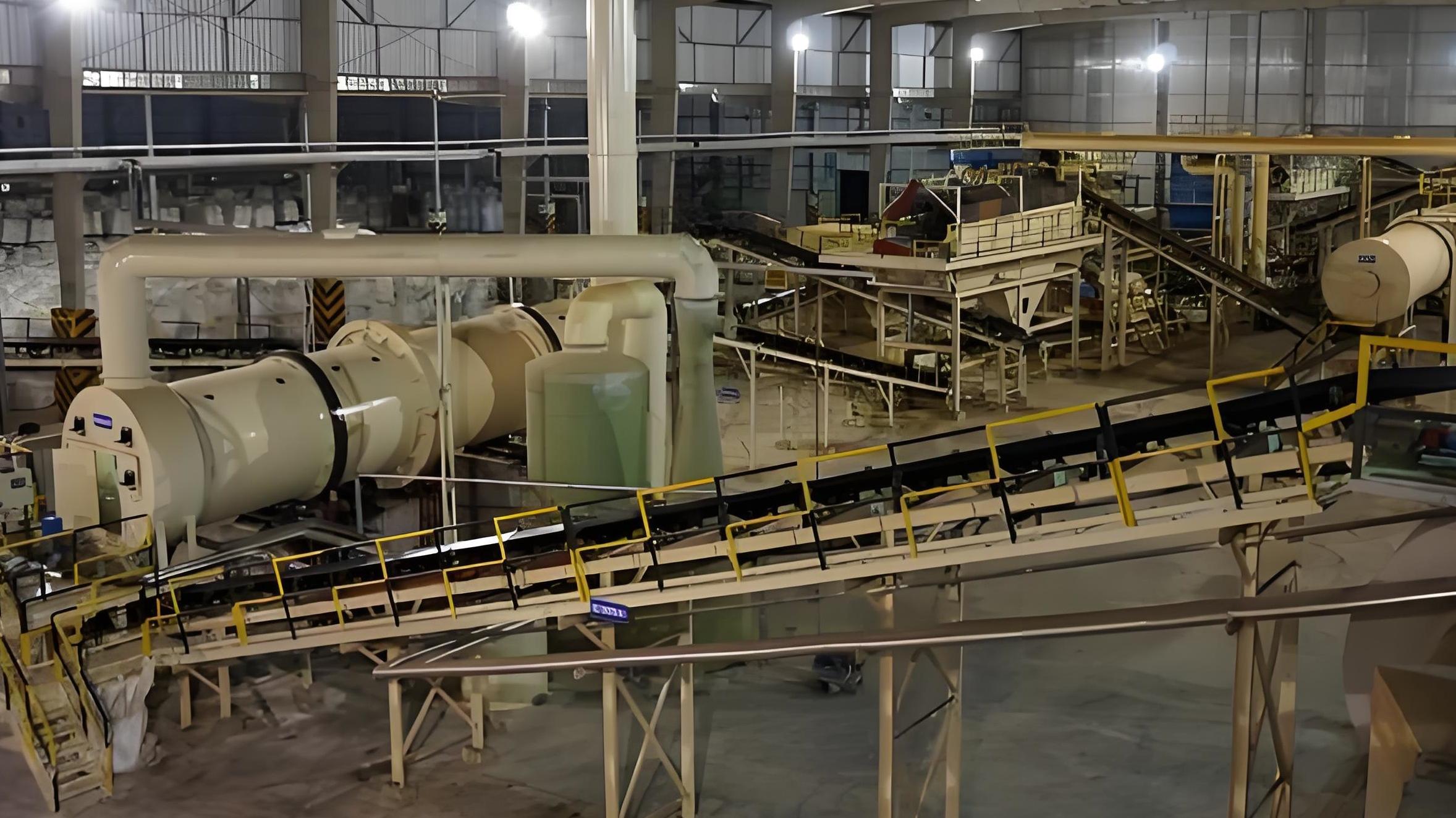
Fertilizer plant automation is one of the most consistently cited growth drivers in current market analysis. Adoption is fastest in China, India, Brazil and Southeast Asia. The reason is practical. Drum granulation depends on feed moisture, temperature, recycle rate and residence time. Operators who adjust by feel produce different results on every shift. A PLC-based control strategy stabilizes granulator load. It also keeps dryer and cooler conditions inside their operating window. As a result, energy consumption and rework both fall. Above the PLC layer, SCADA and MES integration turn batch records into traceable production data. Therefore, recipe changes no longer require a day of manual adjustment.

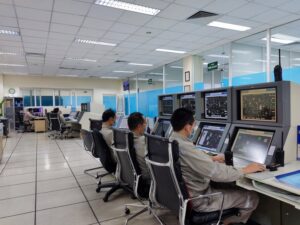
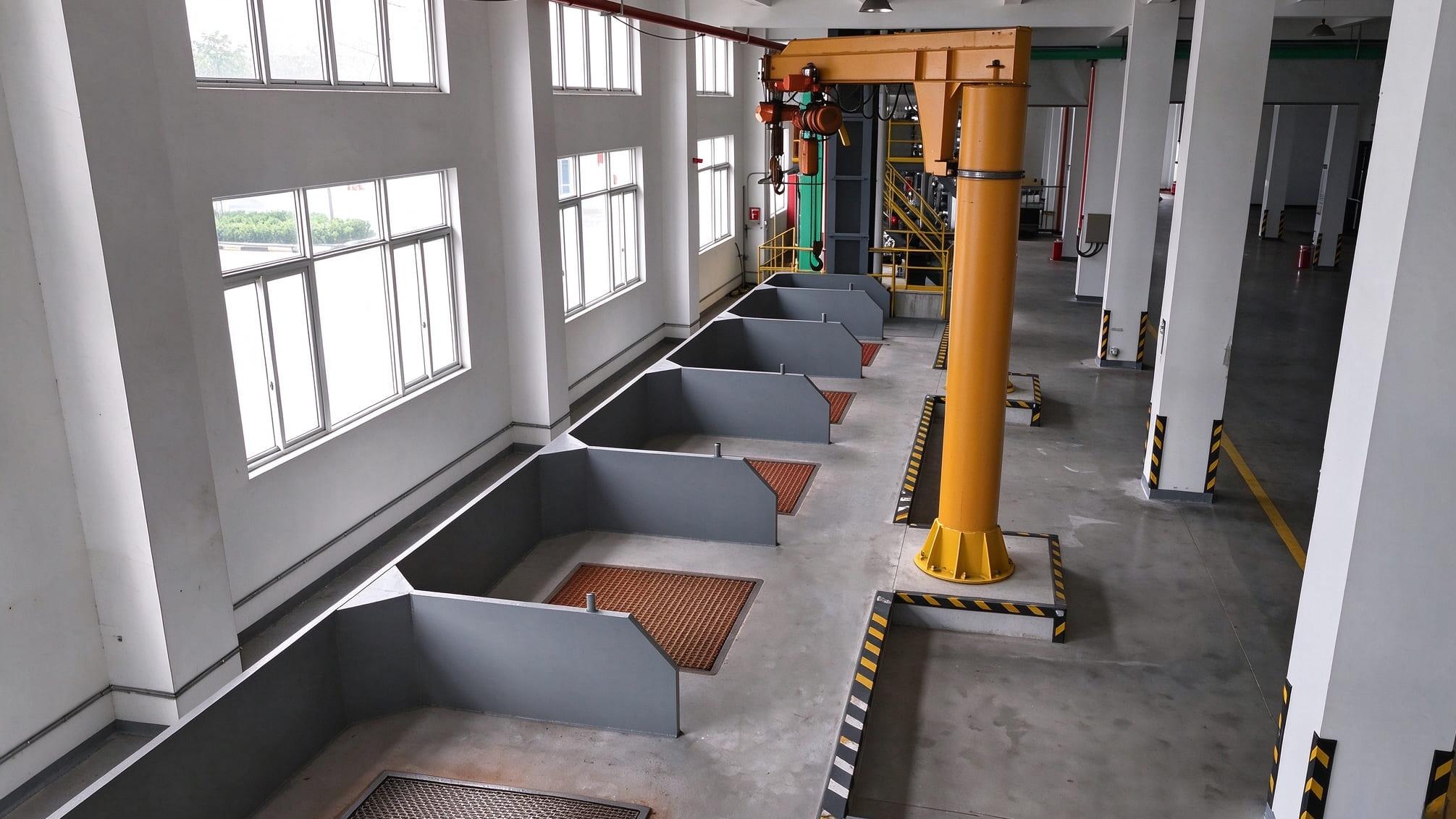
Batching shows the same logic. An automated batching system uses high-precision weighing modules, independent variable-frequency feeding per raw-material silo and PLC control. Tests show it can hold mixing ratio error within ±0.5%. Manual blending, in contrast, produces far wider deviations. Specialty and customized NPK grades are growing faster than commodity blends. Because of that, this tolerance is not a technical luxury. It separates a saleable batch from a claim. Buyers comparing fertilizer production line cost should also note one more point. The automation layer is where reduced rework and energy savings offset a meaningful share of the upfront investment.
Precision Nutrient Formulation Reshapes Equipment Specification
Demand for precision nutrient formulation equipment is no longer confined to water-soluble or specialty producers. Buyers now ask bulk blenders and NPK fertilizer production line configurations to handle more recipes, smaller batch sizes and trace-element additions with the same equipment. Market analysis places this driver at +0.8% impact on CAGR. The effect is concentrated in North America and Europe, but it is spreading into South America and East Asia. The equipment implications are concrete. First, load cells sit on every weigh hopper rather than on a single cumulative scale. Second, dynamic compensation handles material bridging. Third, recipe-management software stores hundreds of formulas. Operators can switch formulas without manual recalculation.
A line specified for three commodity ratios will struggle to deliver a 12-24-12 with zinc and boron at the same accuracy. The question is not whether the granulator can form a pellet. Instead, the question is whether the batching and control layer can reproduce a nutrient profile batch after batch without operator intervention. This requirement applies across the full capacity range, from 1–2 TPH startup lines to 20+ TPH industrial plants.
Modular Low-Carbon Routes Change Plant Architecture
Green ammonia and low-carbon fertilizer projects are reshaping capital requirements in nitrogen production. Electrolyzers are replacing steam methane reformers as the central production route. In addition, modular synthesis systems now match renewable-power availability.
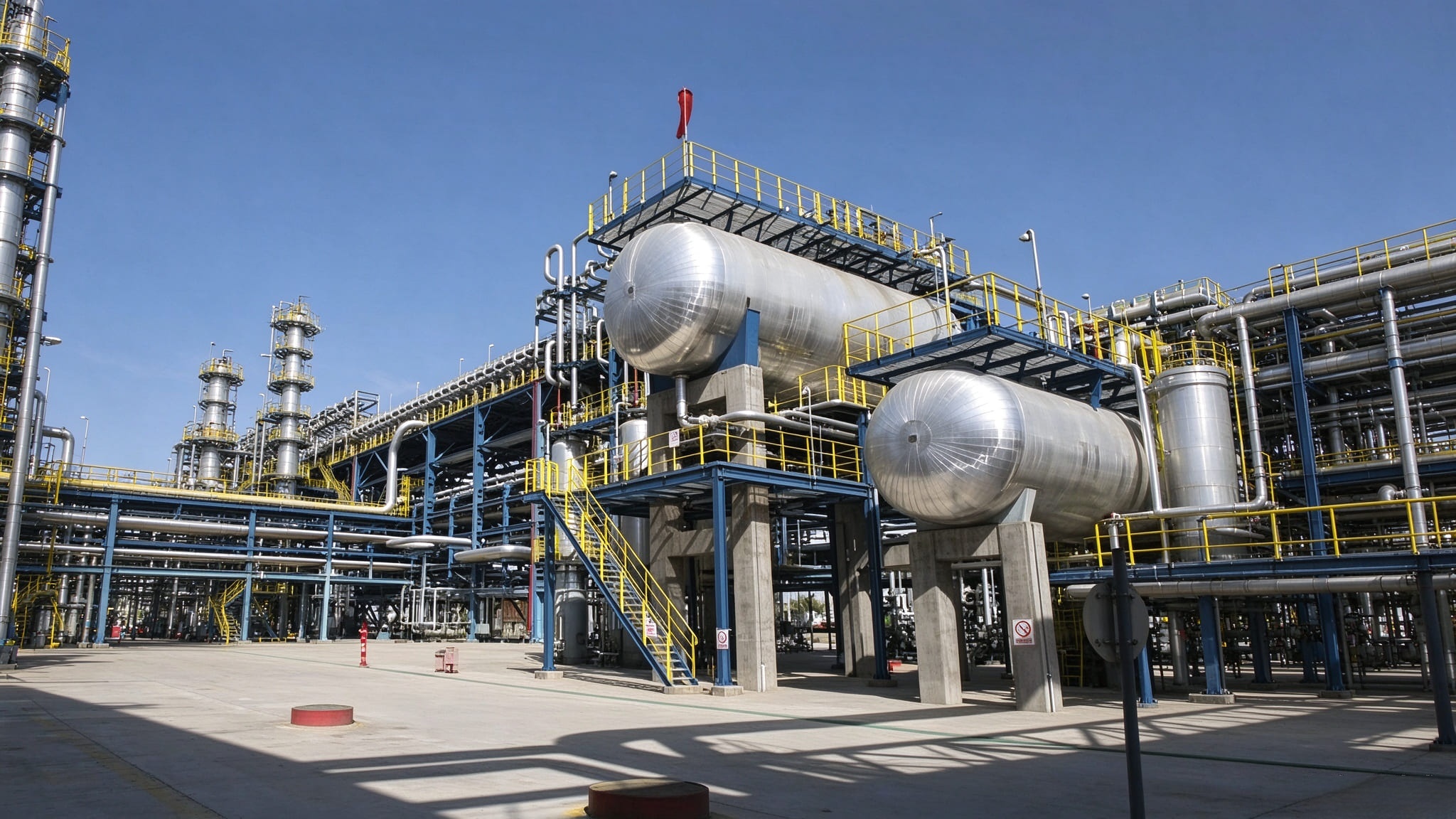
For conventional fertilizer equipment manufacturers, this does not replace large-scale gas-based projects. Instead, it adds a parallel demand stream for flexible, smaller-footprint configurations. It also rewards suppliers who can document energy performance. Ammonia plants consume 32–36 million British thermal units of natural gas per metric ton of product. Rotary dryers add further auxiliary energy demand in urea granulation trains. Therefore, in project evaluations based on lifetime operating cost, energy documentation becomes as important as installed capacity.
Environmental Compliance Tightens at the Component Level
Emission control is no longer a plant-level afterthought. Specifiers increasingly write dust collection into project specifications and operating permits. This covers feed preparation, crushing, screening and coating stages. It also covers dryer exhaust treatment for particulate matter, SO₂ and NOₓ, plus enclosed conveying for dusty materials. A two-stage cyclone-plus-bag-filter configuration is becoming a standard reference for NPK lines. Collection hood control velocity is maintained at no less than 0.5 m/s. Strict limits such as 10 mg/Nm³ for dust and ammonia are now achievable.
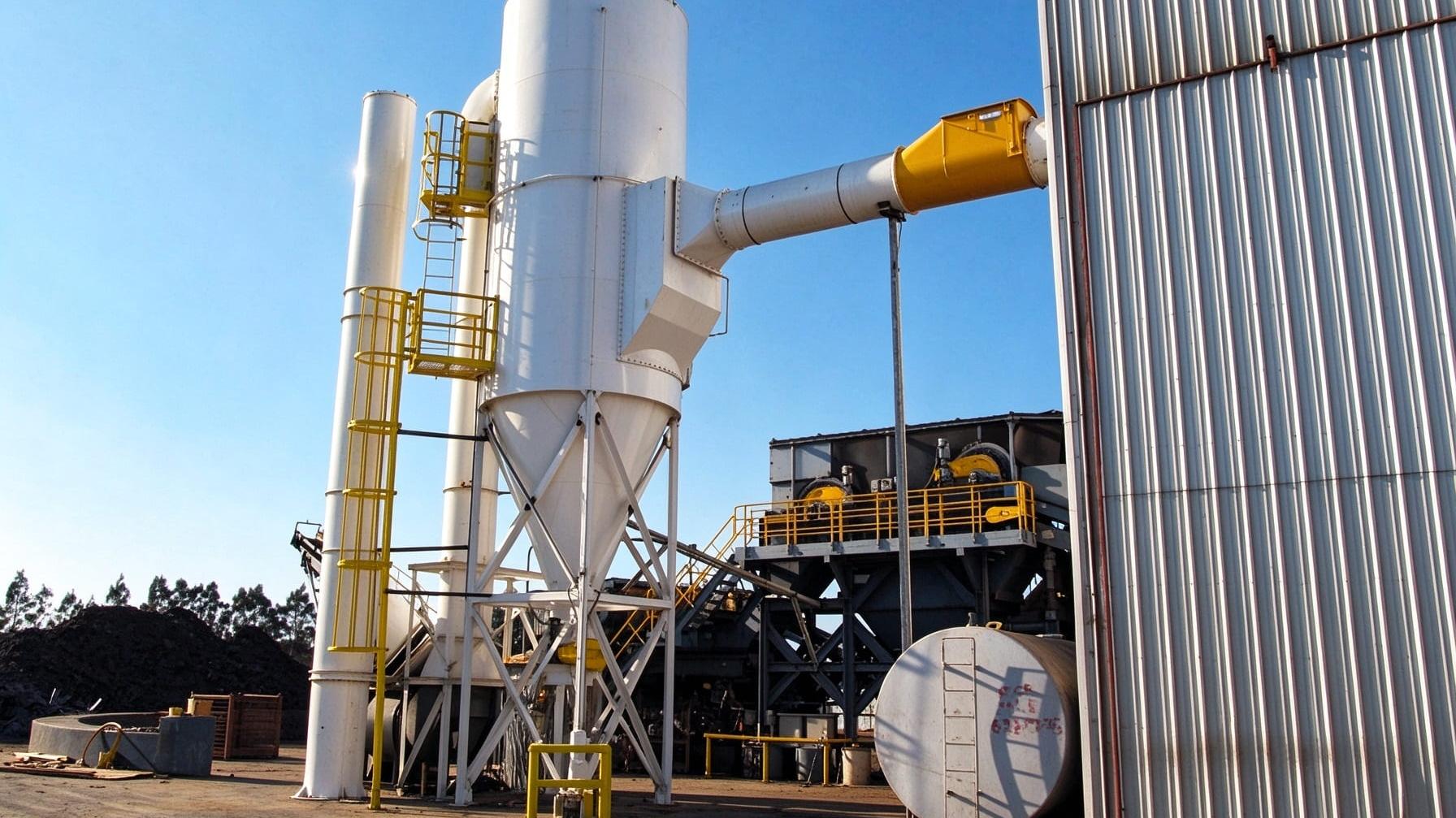
The equipment consequence is clear. Dust collection and emission control need to be scoped as part of the production line, not as separate civil packages. A granulation train designed without integrated dust capture will require retrofit work. That work costs more than specifying it correctly at the outset. This factor belongs in any honest fertilizer production line cost calculation.
What This Means for Equipment Buyers
Three questions separate a line that will remain competitive from one that will need early upgrading. First, who owns the fertilizer plant automation engineering from instrument list to operator screen? Is it a single integrator, or several vendors with gaps between them? Second, can the batching and control layer reproduce a target nutrient profile at ±0.5% without manual correction? This question applies when operators switch between commodity and specialty grades. Third, are dust collection, dryer exhaust treatment and energy documentation included in the scope of a turnkey fertilizer plant solution? Or does the buyer solve these after commissioning? The market growth figures describe an industry investing in capability, not just capacity. The specification of a fertilizer production line should reflect the same priority.
To discuss an NPK fertilizer production line configuration aligned with these trends, contact our technical team.