
Fertilizer Equipment Maintenance Checklist: Common Faults and Solutions
A reliable fertilizer production line depends on well-maintained machinery. For organic fertilizer and NPK fertilizer manufacturers, equipment failures can reduce output, affect granule quality, and increase operating costs. Regular fertilizer equipment maintenance helps extend machine life, improve production efficiency, and minimize unplanned downtime.
This guide covers common faults, practical troubleshooting methods, wear part replacement schedules, and spare parts management for fertilizer manufacturing equipment.
1. Why Preventive Maintenance Matters
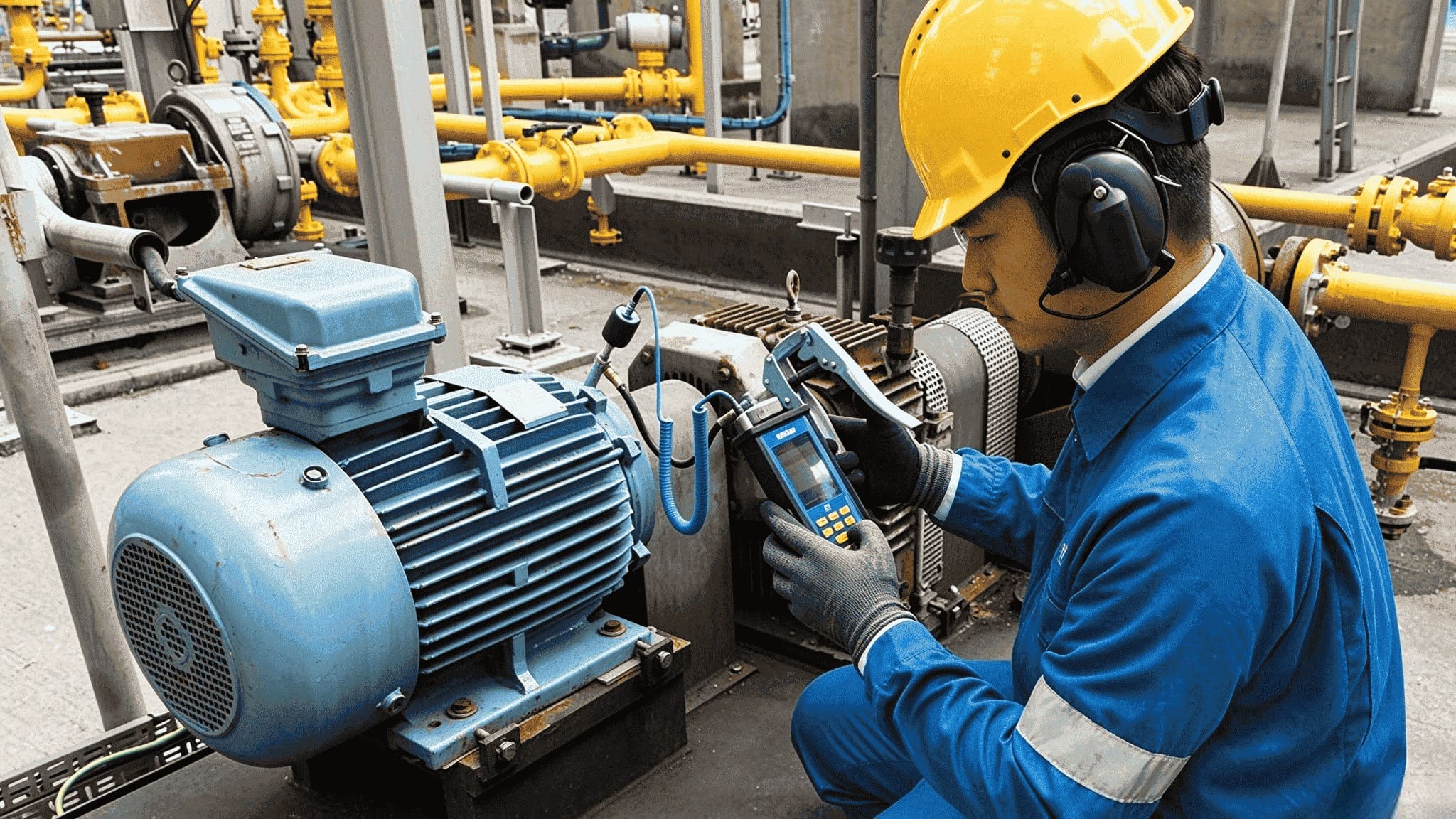
Preventive maintenance helps identify abnormal wear, blockages, loose components, and temperature fluctuations before they cause major failures. Regular inspections and lubrication can improve equipment reliability. Depending on operating conditions, a well-managed maintenance program may reduce unplanned downtime by 30% or more.
2. Fertilizer Granulator Machine: Common Problems
Effective granulator troubleshooting is essential for maintaining consistent granule size and strength.
Liner wear: Abrasive raw materials and prolonged operation can damage granulator liners. Inspect liners weekly, tighten loose fasteners, and replace worn components according to manufacturer specifications.
Material sticking: Excessive moisture, incorrect binder dosage, and inconsistent feeding may cause buildup inside the granulator. Monitor moisture levels, adjust feeding parameters, and clean internal surfaces during scheduled shutdowns.
Low granule strength: Uneven binder distribution, unsuitable moisture levels, and incorrect operating parameters can produce fragile granules. Check spray nozzles, optimize rotational speed and residence time, and inspect downstream conveyors for excessive impact.
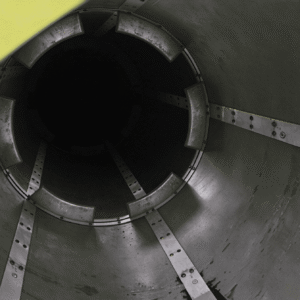
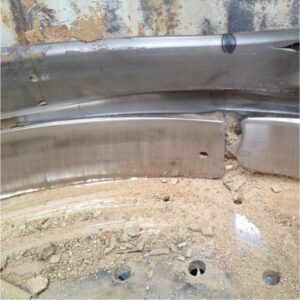
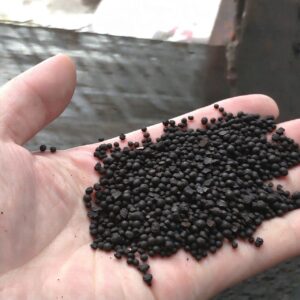
For manufacturers investing in a fertilizer granulator machine, proper operation and routine servicing are important for maintaining stable production performance.
3. Fertilizer Dryer Maintenance and Troubleshooting
Effective fertilizer dryer maintenance supports uniform product moisture and energy efficiency.
Worn lifting flights: Damaged flights reduce material distribution and heat transfer. Inspect their condition and fasteners regularly, replacing severely worn or deformed components.
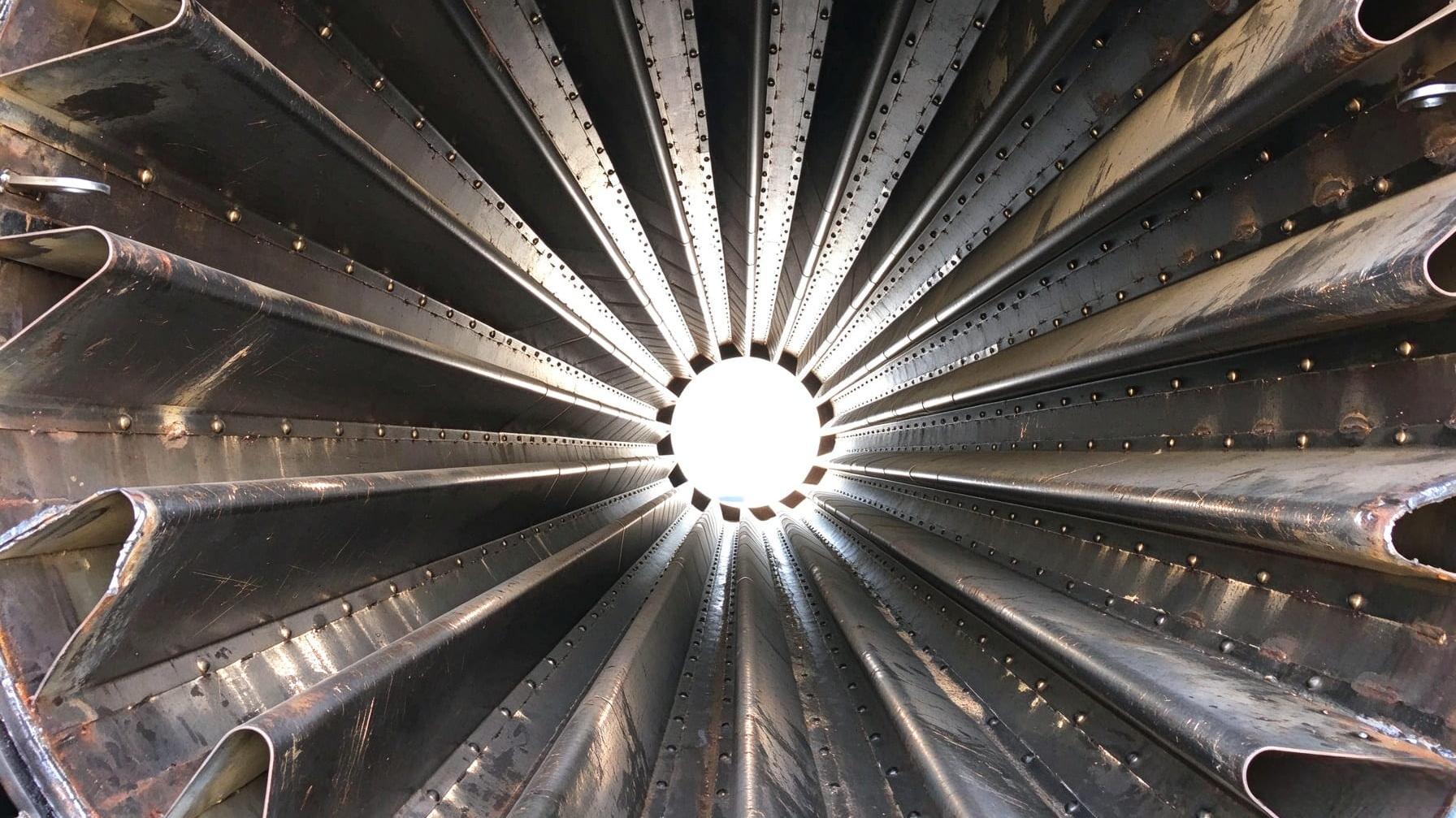
Temperature fluctuations: Unstable heating systems, faulty sensors, and restricted airflow can affect drying performance. Check the heat source, verify temperature readings, and inspect fans and ducts.
Uneven moisture: Inconsistent feeding and poor airflow distribution can lead to uneven drying. Monitor inlet and outlet moisture, stabilize the feed rate, and adjust operating parameters according to material characteristics.
These checks are especially important for an organic fertilizer production line or NPK fertilizer production line, where consistent processing conditions help maintain finished product quality.
4. Screener and Packaging Machine Maintenance
Fertilizer screening machine: Moisture and accumulated fine particles can block screens and reduce separation efficiency. Inspect screens every shift, clean them safely, check vibration motors and fasteners, and replace damaged mesh promptly.
Fertilizer packaging machine: Incorrect bag weights may result from load cell drift, unstable feeding, or material buildup. Calibrate weighing systems regularly, inspect sensors and wiring, and clean weighing hoppers. Replace cracked or leaking seals to maintain packaging accuracy.
Always isolate machinery from its energy sources before cleaning or replacing components.
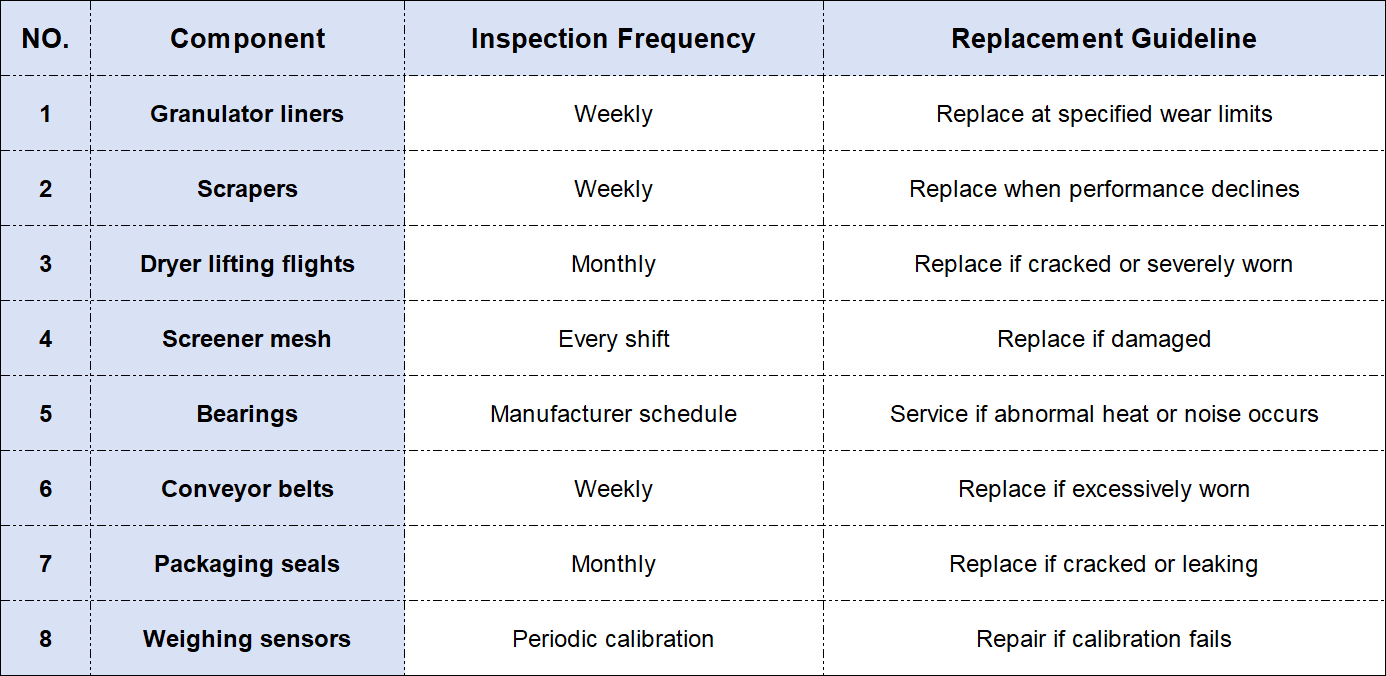
5. Wear Part Replacement Schedule
Use this table as an initial maintenance reference. Actual intervals should follow manufacturer recommendations and inspection findings.
6. Fertilizer Equipment Spare Parts Inventory
A well-managed inventory reduces repair delays and unnecessary storage costs. Prioritize fertilizer equipment spare parts, including screen mesh, seals, scrapers, granulator liners, dryer lifting flights, bearings, and compatible electrical sensors.
Set safety stock levels according to equipment quantity, historical failures, supplier lead times, and downtime costs. Record stock movements and replacement history to improve purchasing decisions.
For fertilizer plant operators, sourcing compatible spare parts and following manufacturer maintenance recommendations can help maintain long-term equipment reliability.
7. Improve Your Fertilizer Production Line Performance
Consistent inspections, scheduled servicing, accurate maintenance records, and effective spare parts management help reduce recurring failures and improve production stability.
Need professional support? Contact our team to discuss fertilizer manufacturing equipment, maintenance services, or a remote equipment diagnosis tailored to your production line.