Complete Guide to Organic Fertilizer Production Line Equipment: From Fermentation to Packaging
The global expansion of organic farming continues to drive demand for reliable organic fertilizer production line solutions. Because policy support for recycling livestock manure and crop residues keeps growing, small and medium organic fertilizer plant projects are emerging worldwide. Therefore, for investors, understanding the full organic fertilizer manufacturing process and organic fertilizer production line equipment lineup is essential before choosing a supplier.
Complete Process Breakdown
Generally speaking, a complete organic fertilizer production line includes eight stages: fermentation, crushing, mixing, granulation, drying, cooling and screening, coating, and packaging. Let’s walk through each stage in order.
1. Fermentation System — The Core Stage
First of all, fermentation is what separates organic fertilizer production from NPK compound fertilizer production. Specifically, aerobic fermentation uses microorganisms to decompose organic matter, kill pathogens and pest eggs, and reach maturity. To ensure proper sanitization, the pile temperature should stay above 55°C for at least 10 days.
In this stage, the compost turner is the heart of the system. There are three main options:
Groove-type turner: Handles multiple trenches with one machine. Because it features simple operation and short cycles, it is ideal for fixed, large-scale operations.
Self-propelled turner: Straddles windrows to turn, aerate, and relocate material. As a result, it suits open-air composting well.
Hydraulic turner: Offers adjustable depth and rotor speed. For this reason, it is best for medium-to-large plants needing high throughput.
Typically, the fermentation cycle lasts 15–20 days. Meanwhile, turning frequency should be adjusted based on pile temperature.
2. Crushing & Mixing
After fermentation, material often forms clumps. Therefore, a semi-wet material crusher is needed to handle high-moisture, fibrous materials with 20–55% water content. For example, it processes livestock manure, municipal sludge, and distillers’ grains. After that, a double-shaft mixer blends materials evenly before granulation.
3. Granulation — Choosing the Right Organic Fertilizer Granulator
Undoubtedly, granulation is the most technical stage. In other words, equipment selection depends on fiber content, moisture, and target granule strength. Common organic fertilizer granulator types include:
Disc granulator: Widely used for small-to-medium capacity. Because it offers around 80% granulation rate with low maintenance, it is a popular entry-level choice.
Double-roll extrusion granulator: Requires no binder for dry powders. Moreover, it produces high-strength granules.
Flat-die / ring-die extrusion granulator: Compresses fibrous materials into cylindrical pellets. For instance, it works well for straw powder, wood chips, and mushroom residue.
Wet tooth-stirring granulator: Uses a wet continuous push-rod process. Thus, it suits coarse fiber materials.
Impact granulator: Achieves granulation through high-speed particle collision.
In addition, when comparing fertilizer granulator for sale options, the disc granulator is often the best entry point for new organic fertilizer production line cost budgets.
4. Drying & Cooling
After granulation, granules leave the machine with high moisture. Consequently, a rotary drum dryer is required to reduce moisture to safe storage levels — finished organic fertilizer should be ≤30%. In practice, the hot air furnace can use coal, natural gas, or biomass pellets. However, for overseas projects, natural gas or biomass is recommended for environmental compliance. Subsequently, a rotary drum cooler brings granules close to ambient temperature to prevent caking.
5. Screening & Coating
Next, a rotary drum screener separates finished granules from oversized and undersized material. If granules do not meet size standards, they return to crushing and mixing for re-granulation. In addition, a rotary coating machine applies powder or liquid coating to prevent caking, especially for slow-release organic fertilizer products.
6. Automatic Packaging
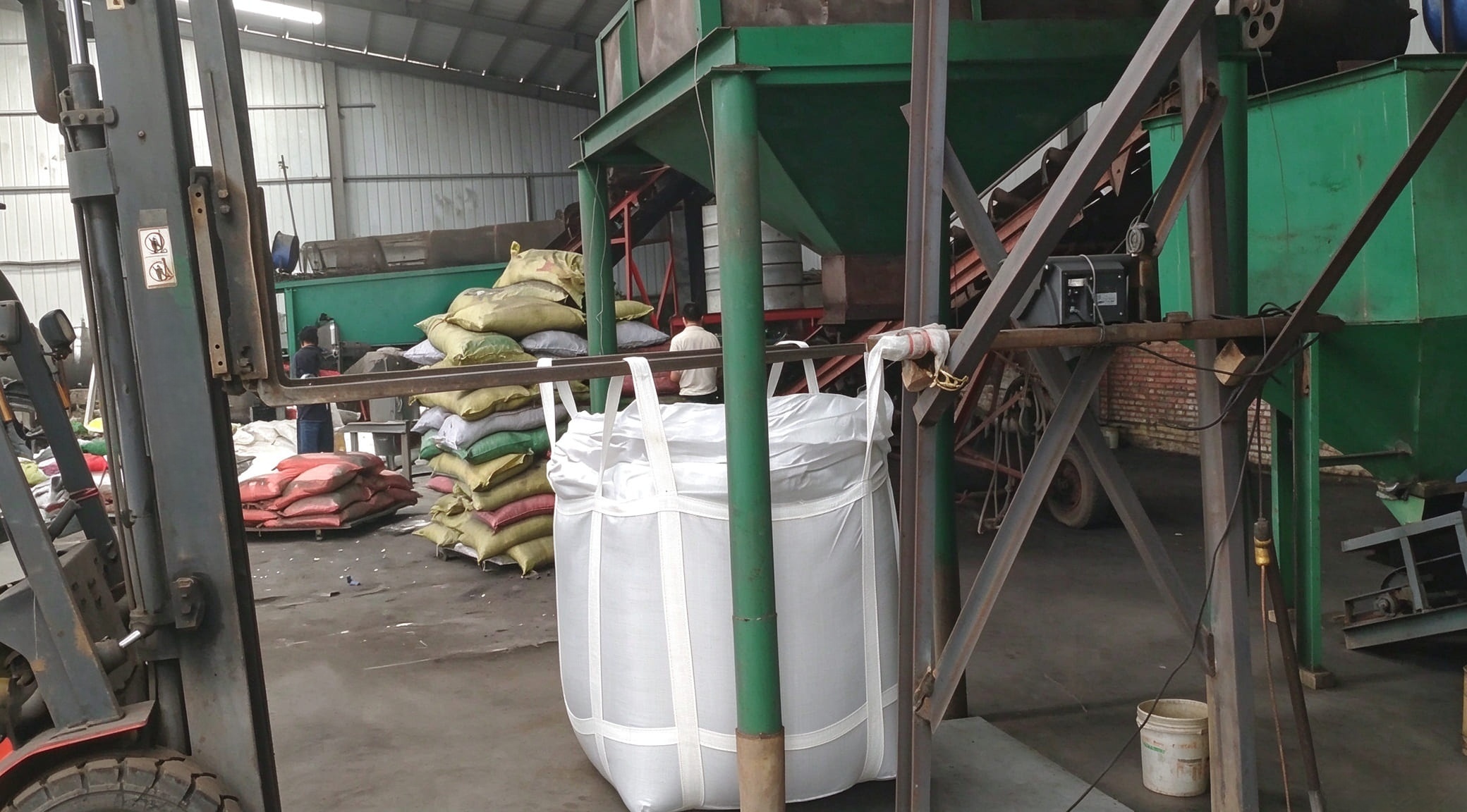
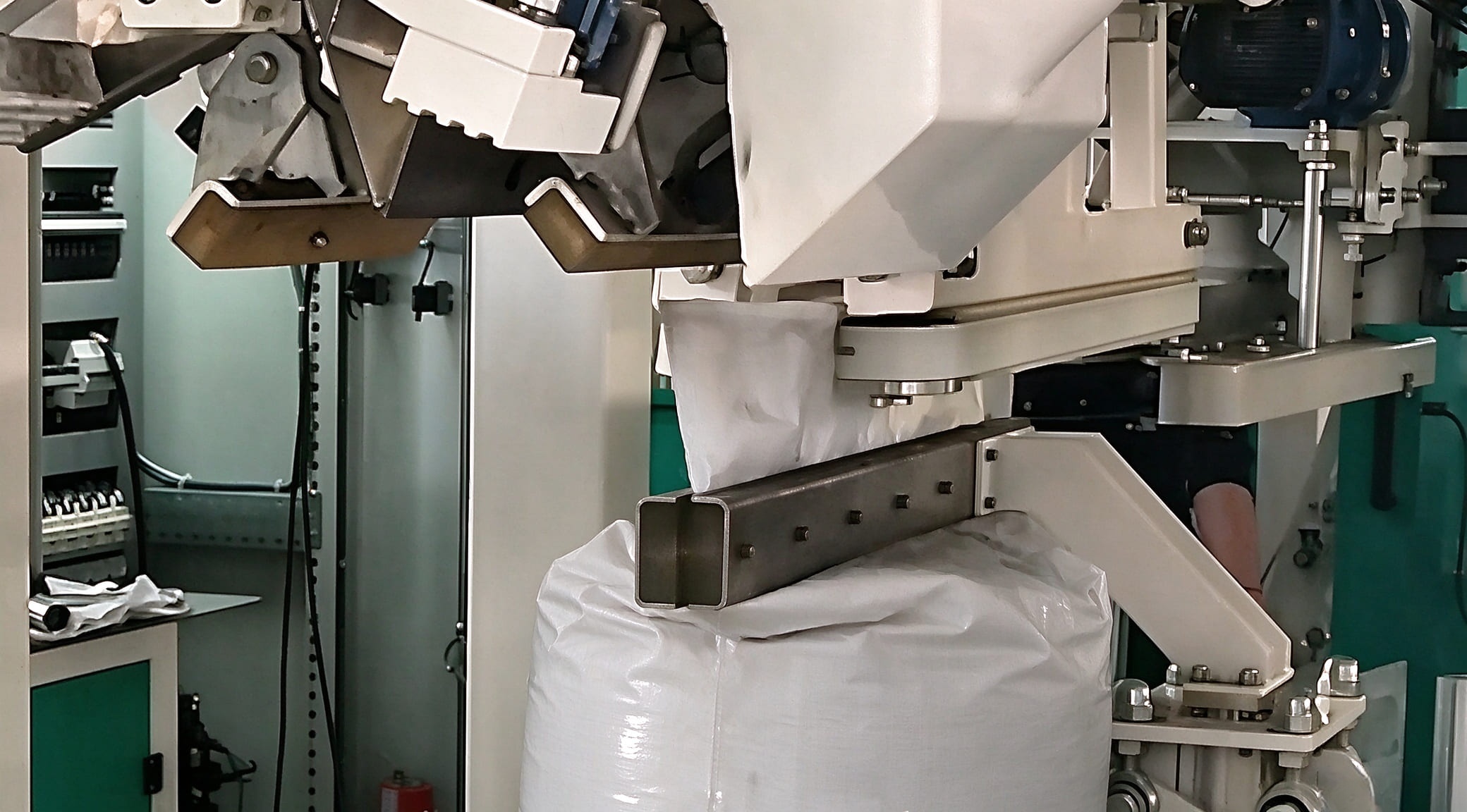
Finally, finished granules enter a fertilizer packaging machine for weighing, filling, and sealing. Notably, electronic weighing accuracy directly affects packaging efficiency and product appearance.
Key Differences: Organic vs. NPK Lines
On the one hand, organic lines differ from NPK lines in three main ways. First, fermentation is unique to organic production. Second, organic materials are moist and corrosive; therefore, equipment needs stronger corrosion resistance, and 304 stainless steel is preferred for contact parts. Third, organic granulation may require binders. In addition, the layout must reserve 300–500 m² for fermentation.
Organic Fertilizer Production Line Cost: What to Expect
When it comes to budget planning, organic fertilizer machine price varies by capacity. For example, a small line (1–2 TPH) typically starts around $13,500–$16,500. In comparison, a complete automated line (5–10 TPH) ranges from $57,200 to $80,000 depending on configuration. Furthermore, for organic fertilizer plant cost planning, equipment accounts for roughly 55–65% of total investment, while civil works, installation, and working capital make up the rest.
Conclusion
In conclusion, there is no one-size-fits-all solution for organic fertilizer equipment. Instead, the key is matching equipment to your raw materials, target capacity, and local environmental rules. Therefore, if you are planning an organic fertilizer production line, contact our technical team for a customized proposal and quotation.