
Fertilizer Production Line Buying Guide: 5 Overlooked but Critical Selection Factors
Price and capacity are usually the first numbers buyers compare when purchasing fertilizer production line equipment. Yet after commissioning, many overseas projects face capacity shortfalls, inconsistent granule quality, or forced shutdowns for environmental rectification. These problems rarely come from equipment being “too cheap.” They come from factors overlooked during fertilizer equipment selection. This fertilizer production line buying guide covers five critical factors — whether you are sourcing a single rotary drum granulator or a complete turnkey fertilizer plant.
1. Process Compatibility: Raw Material Formula Dictates Equipment Configuration
Different raw material formulas require fundamentally different fertilizer granulation process parameters. Urea and ammonium chloride, for example, can form a stable inclusion complex that improves granulation efficiency. A supplier that does not understand this interaction may configure equipment for a “general formula,” only to deliver insufficient granule strength or low granulation rates after startup. Formulas with humic acid, micronutrients, or sulfur coatings also need specific granulation temperatures, pressures, and retention times.
Before signing, request a process design tailored to your actual raw material formula — not a generic equipment list. This is the foundation of any reliable NPK fertilizer production line, and it applies equally to organic fertilizer production equipment. A supplier that cannot explain how your specific formula affects granulation parameters is not the right partner for a fertilizer production line manufacturer relationship.
2. Equipment Material Selection: The Hidden Cost That Determines Lifespan
Fertilizer production is corrosive and abrasive. Carbon steel is attacked by nitrogen solutions and mixed fertilizer compounds; aluminum resists many nitrogen solutions but is corroded by NPK mixtures. Stainless steel is more reliable, and high-wear zones often require higher-grade alloys. In one large fertilizer project, the evaporator circulation pump casing used SS904L stainless steel, while the wear ring and propeller used alloy 28 to extend service life.
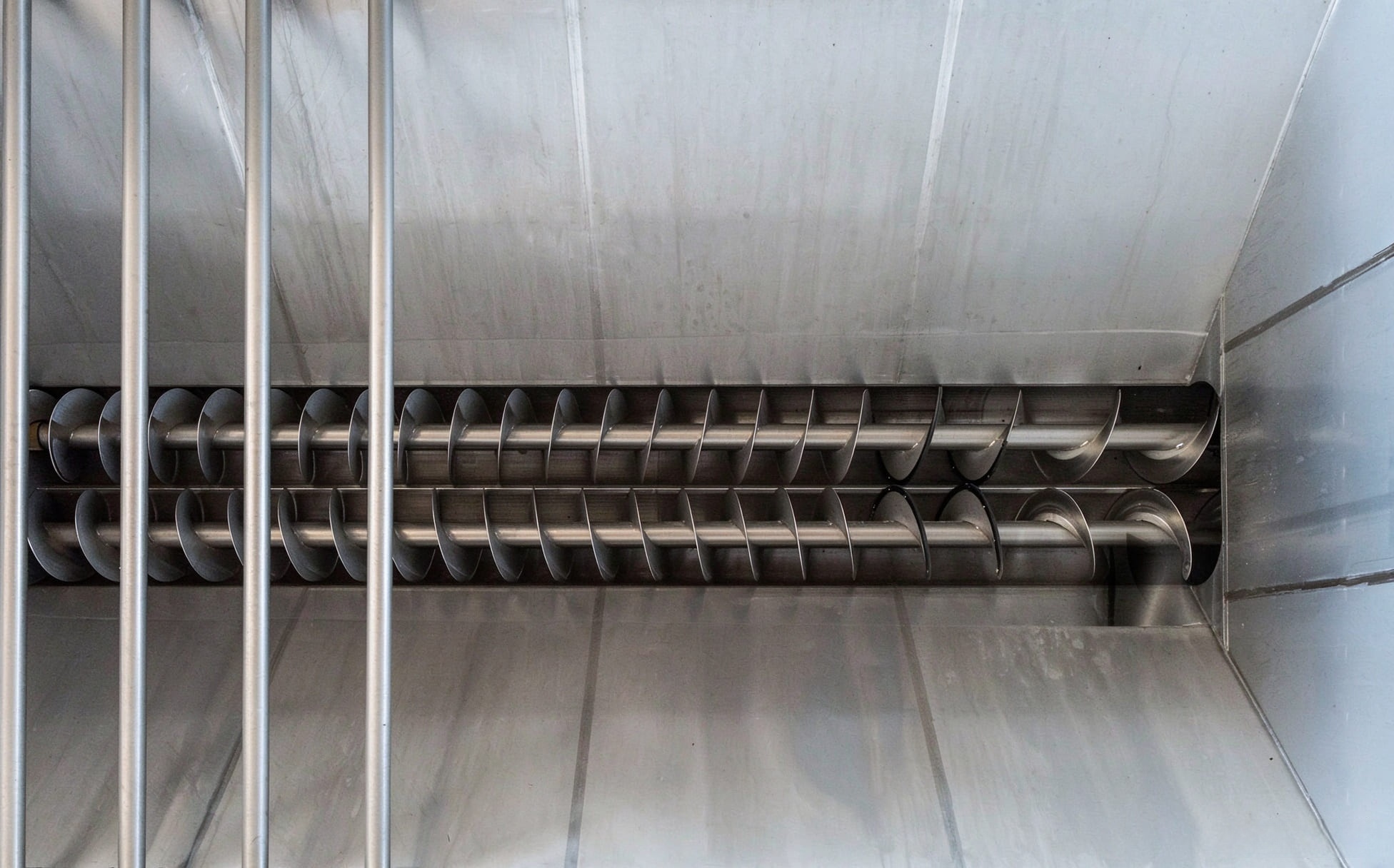
Material specifications for granulator liners, dryer lifters, screens, and other wear parts directly determine replacement cycles and downtime losses. Insist on a written material specification sheet — verbal assurances are not enough. This is especially important when comparing fertilizer equipment price across fertilizer equipment suppliers, because the lowest quote often reflects inferior material grades.
3. Automation and Control Level: Long-Term Operating Efficiency
Fertilizer plant automation affects more than labor costs. It determines formula-switching flexibility and production data traceability. A modern fertilizer production line control system usually spans PLC, HMI, and SCADA layers, with bidirectional data exchange to MES/ERP for formula management, production reporting, and inventory control.
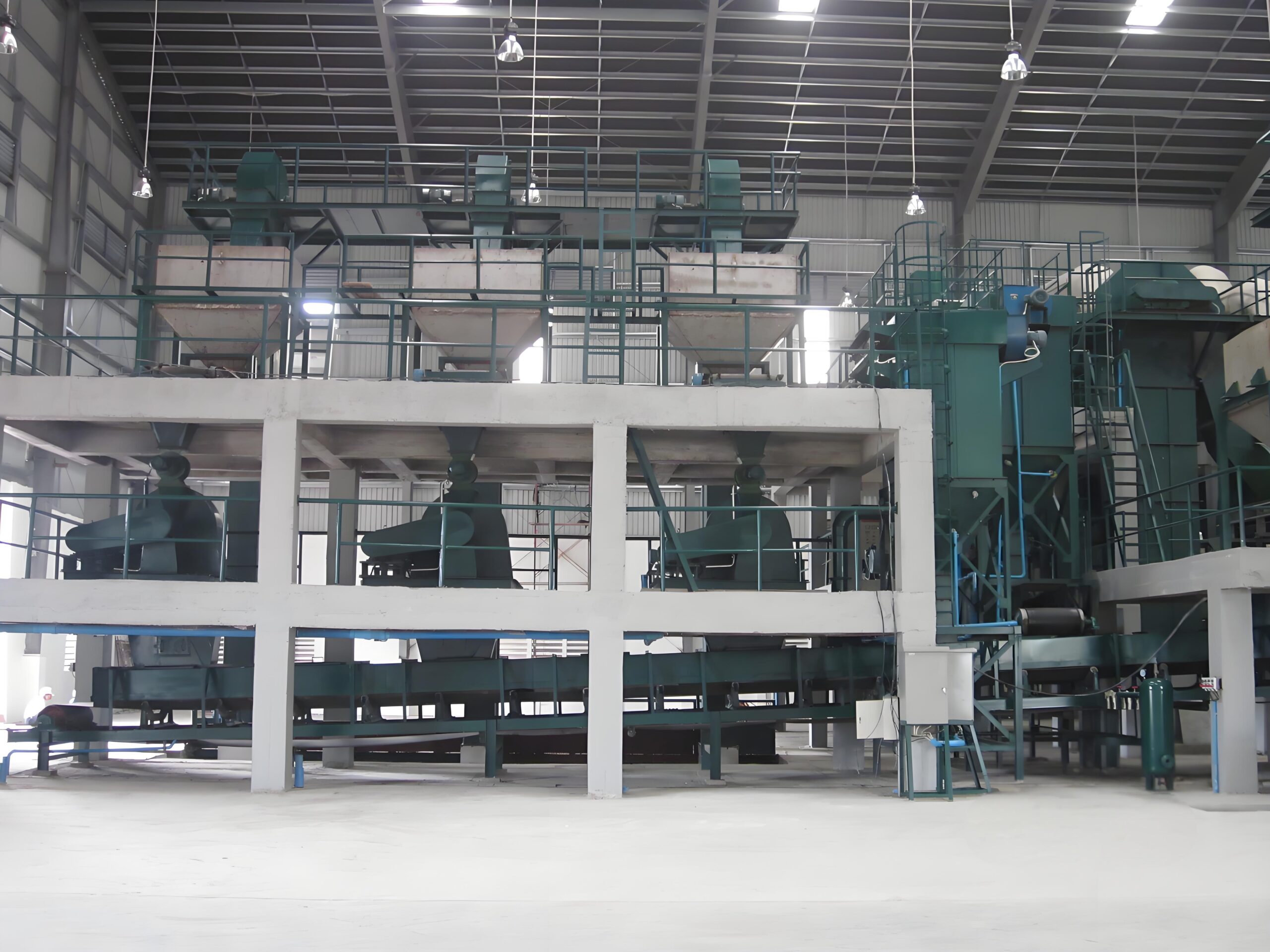
An automatic batching system with PLC control system fertilizer integration can limit batching errors to within 0.5%, ensuring precise control over nitrogen, phosphorus, potassium, and micronutrient ratios. This aligns directly with the global trend toward precision nutrient management — the market is shifting from uniform fertilizer blends to site-specific, data-driven formulations. A VPN remote access system lets the supplier diagnose PLC and SCADA faults without dispatching engineers on-site, significantly reducing downtime. For overseas projects, this capability is especially valuable.
4. Environmental Compliance: Non-Compliance Can Lead to Production Shutdown
Dust and exhaust emissions from fertilizer production are strictly regulated. In a compound fertilizer line, particulate matter from batching, granulation, and screening must pass through cyclone and bag filters before discharge through a stack of at least 15 meters, with particulate concentration below 120 mg/m³. If bag filters are not maintained, emissions can exceed limits by dozens of times, triggering forced shutdowns.
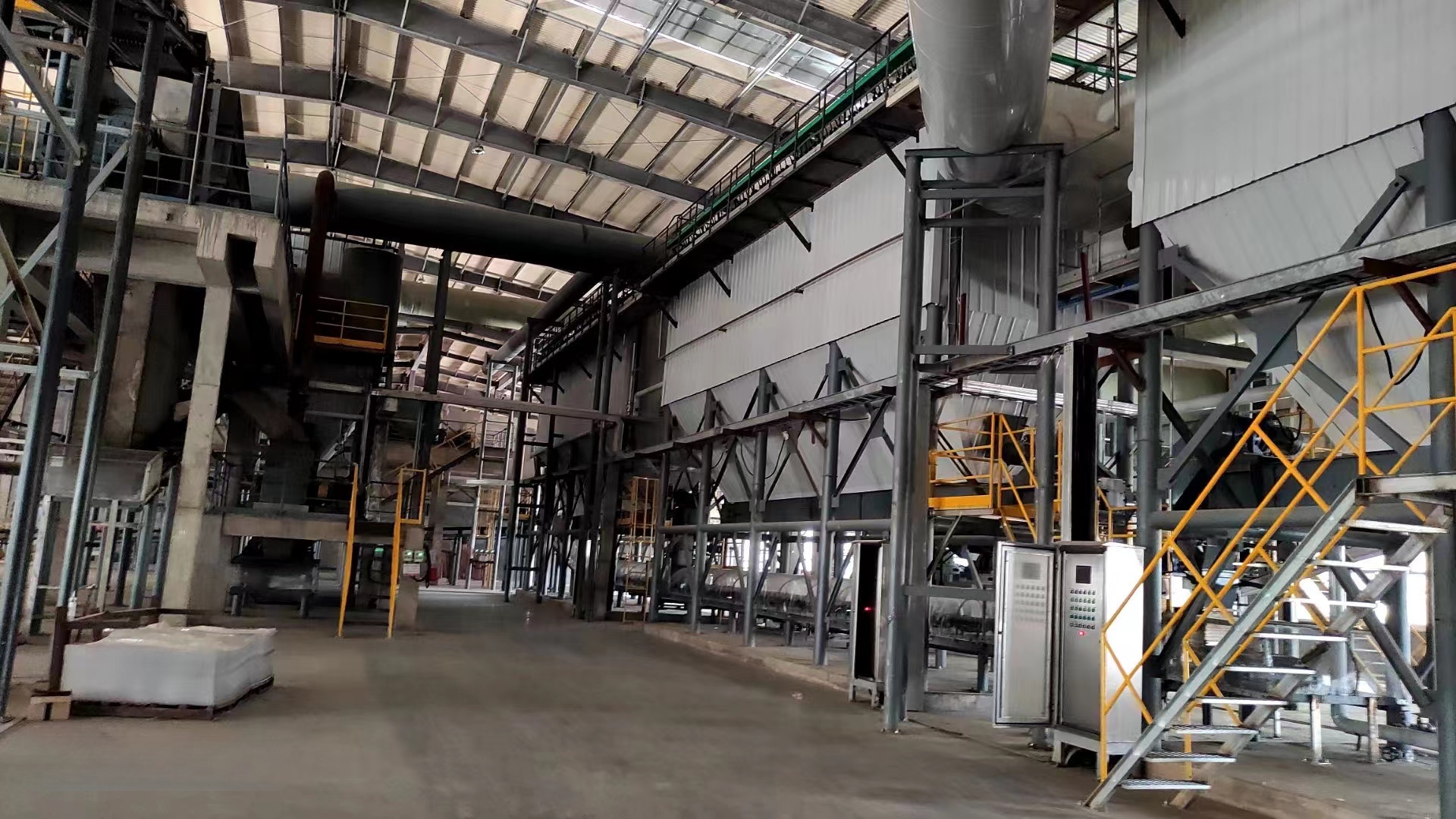
Dust explosion prevention and emission control are not optional add-ons — they are design requirements. Dryer exhaust desulfurization, denitrification, and ammonia recovery also need to be considered during selection. The global push toward sustainable fertilizer production means compliance requirements are tightening, not loosening. Request a detailed environmental compliance plan before signing and verify the supplier’s experience with your target market’s regulations.
5. Supplier Evaluation: A Framework Beyond Price
Price is only one dimension of fertilizer plant supplier evaluation. A structured framework should cover at least:
Compliance and technical validation: Are CE, ISO 9001, and other certifications verifiable? Can third-party audit reports be provided?
Operational reliability: Is on-time delivery above 95%? Is average response time under 4 hours?
Customization capability: Can the supplier modify functional parameters — hopper capacity, discharge width, drivetrain configuration — or only offer surface-level branding?
Project references: Are there successful turnkey fertilizer plant projects of comparable scale or similar raw material conditions? What do fertilizer equipment maintenance records and stable operation data show?
Cost Structure Reference
Fertilizer production line cost extends well beyond the equipment quotation. Equipment purchase typically accounts for 45–60% of total fertilizer plant investment, while the remainder goes toward civil construction, site grading, utility infrastructure, and late-stage commissioning. For a small-scale starter plant, total costs can range from $30,000; a large industrial facility can exceed $250,000. Focusing only on fertilizer equipment price while ignoring civil works, installation, and commissioning can lead to severe budget overruns.
Conclusion
The fertilizer equipment selection decision affects not just procurement cost, but operating efficiency and profitability for the next 5–10 years. Fertilizer granulation process compatibility, material specification, fertilizer plant automation, environmental compliance, and fertilizer plant supplier evaluation are precisely the factors most often overlooked during price comparison. To request our supplier evaluation checklist or discuss a customized solution for your raw material formula and capacity target, contact our technical team.