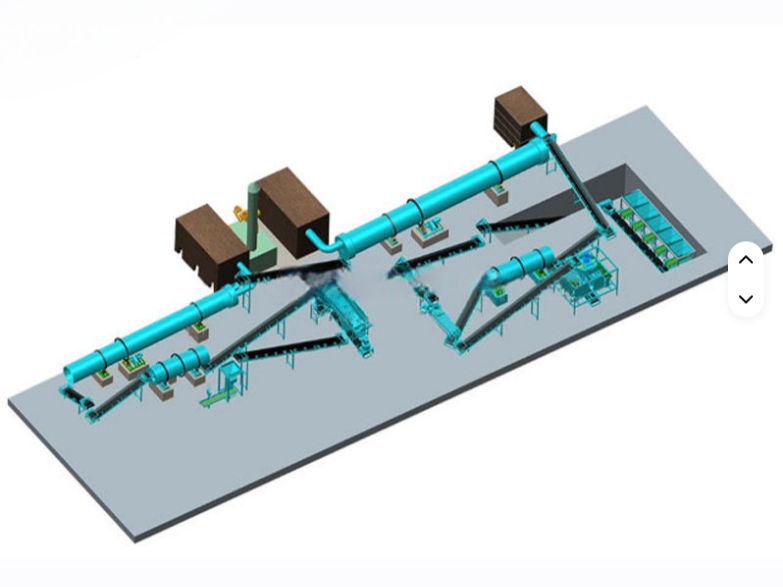
Single Superphosphate (SSP) Production Line

A robust and cost-effective solution for producing the fundamental phosphate fertilizer, Single Superphosphate. Our SSP lines are engineered for reliable operation with various phosphate rock sources, delivering consistent quality through the proven acidulation process. We offer complete systems for both powder SSP and granular SSP (GSSP) production.

Single Superphosphate (SSP) Production Line Equipment List

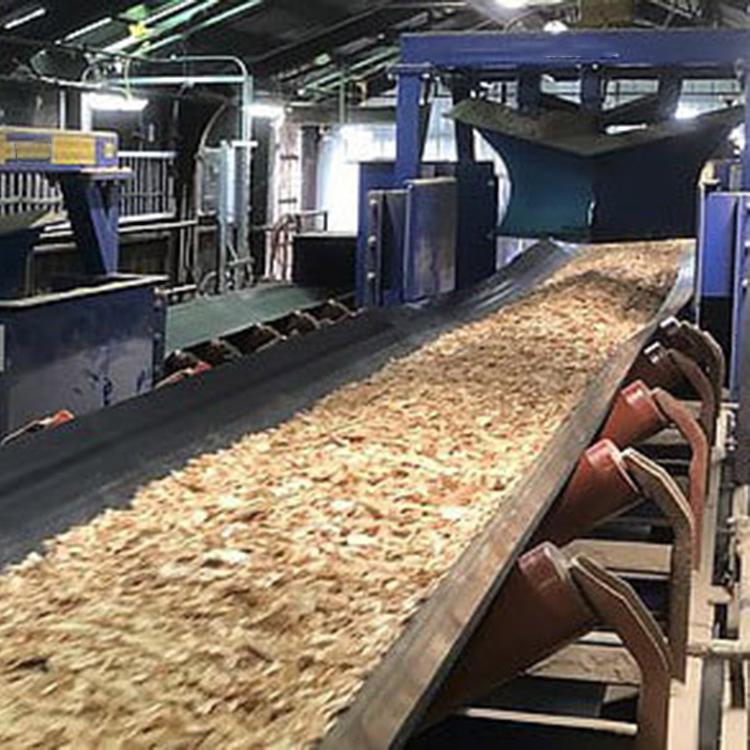
Raw Material Feeding System

Phosphate Rock Storage & Feed System
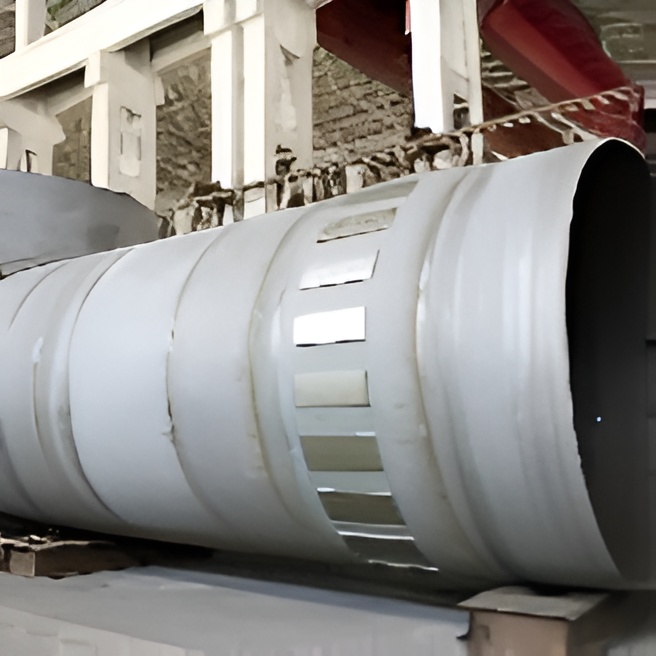
Rock Grinding Mill
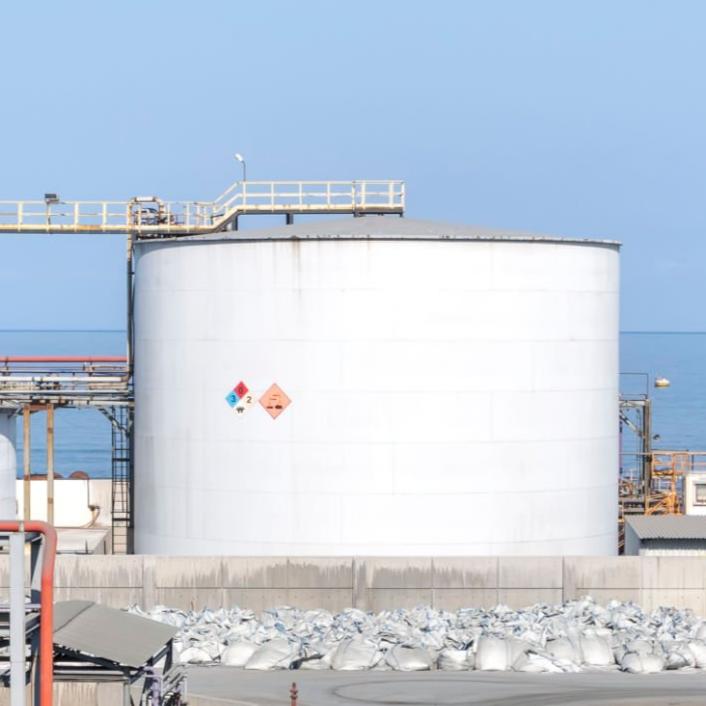
Rock Grinding Mill

Sulfuric Acid Storage & Dosing
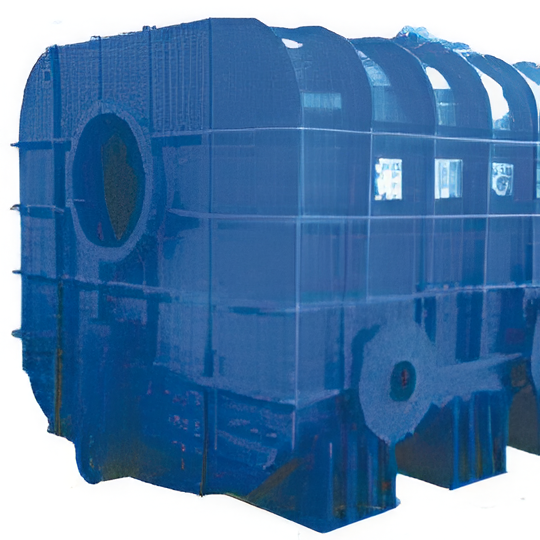
Sulfuric Acid Storage & Dosing

Mixer / Den (Reactor)
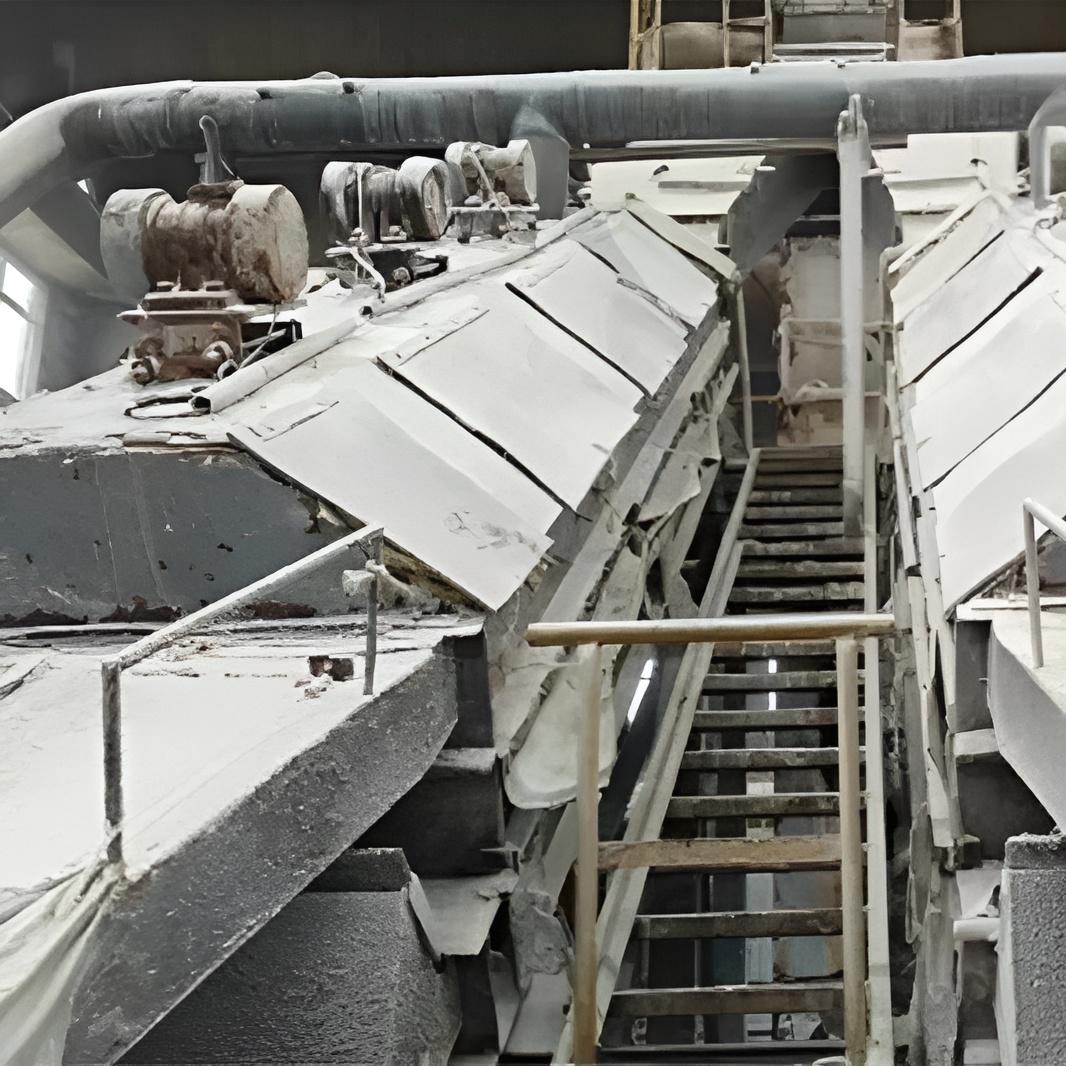
Mixer / Den (Reactor)

Screening & Recycling System

Curing (Solidification) Conveyor / Den
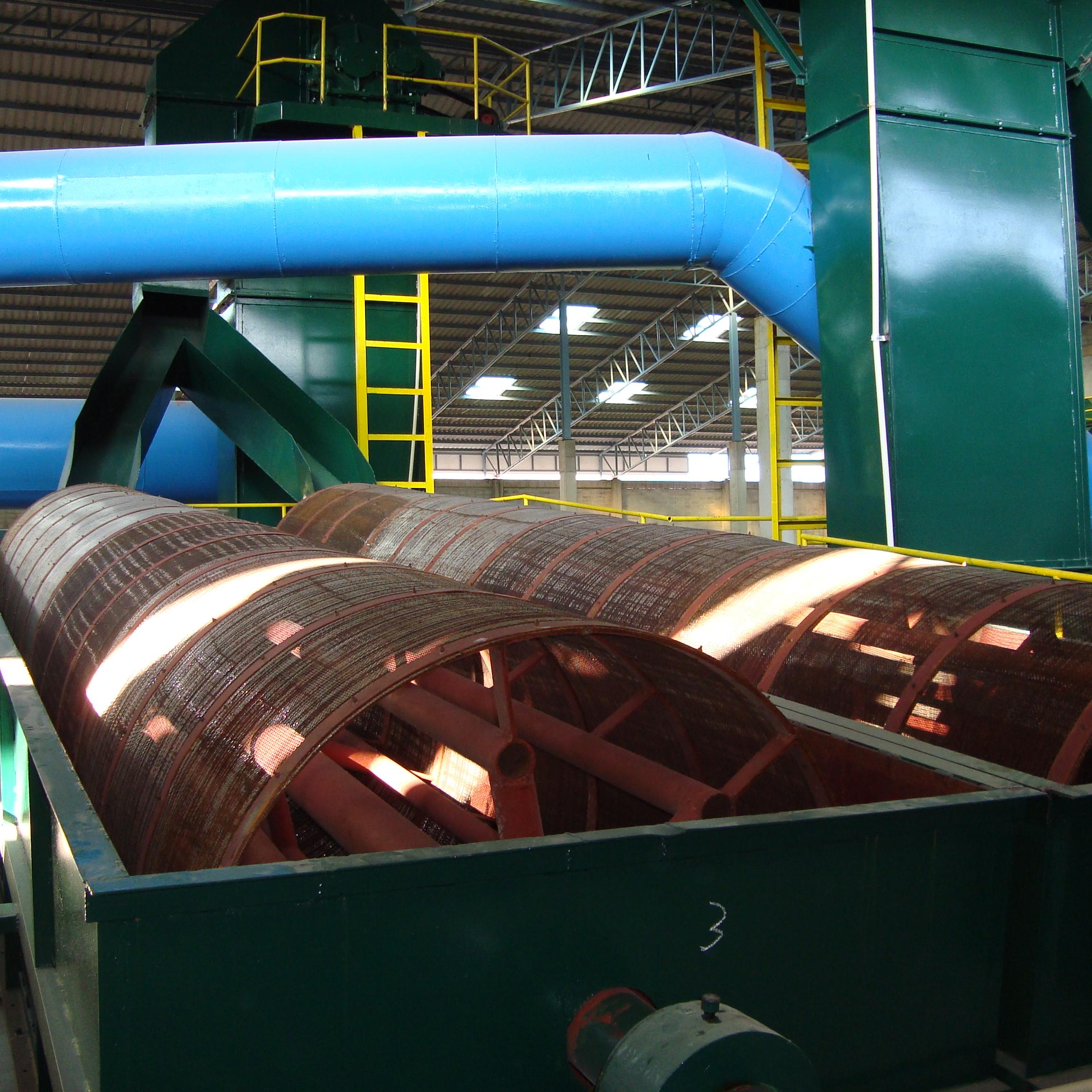
Curing Storage & Turnover System
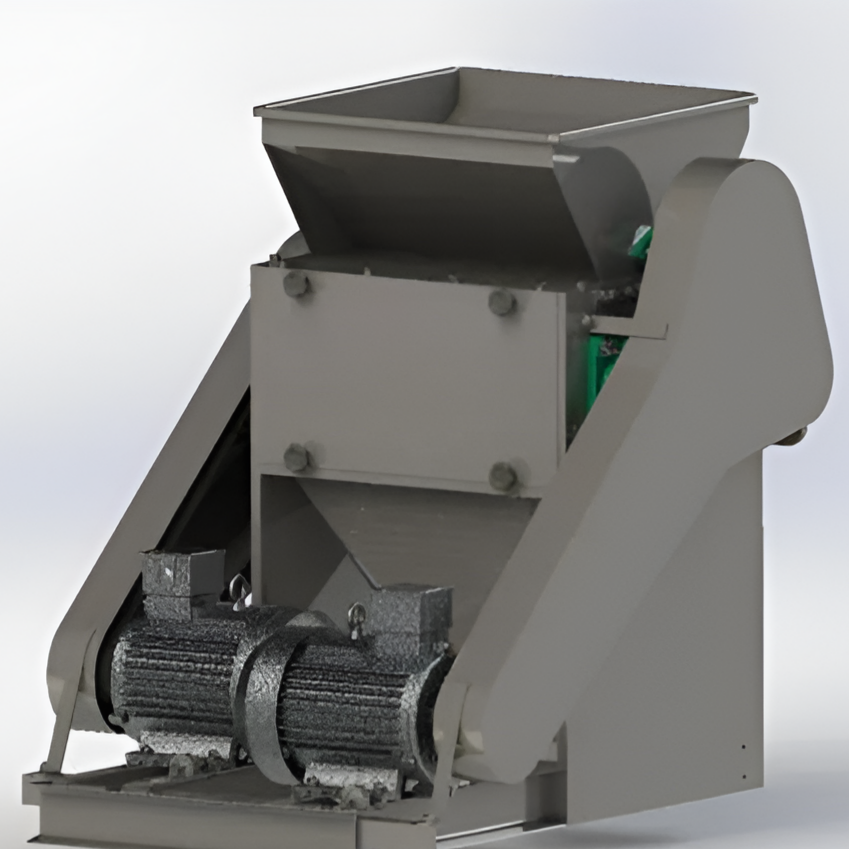
Curing Storage & Turnover System

SSP Cake Crusher
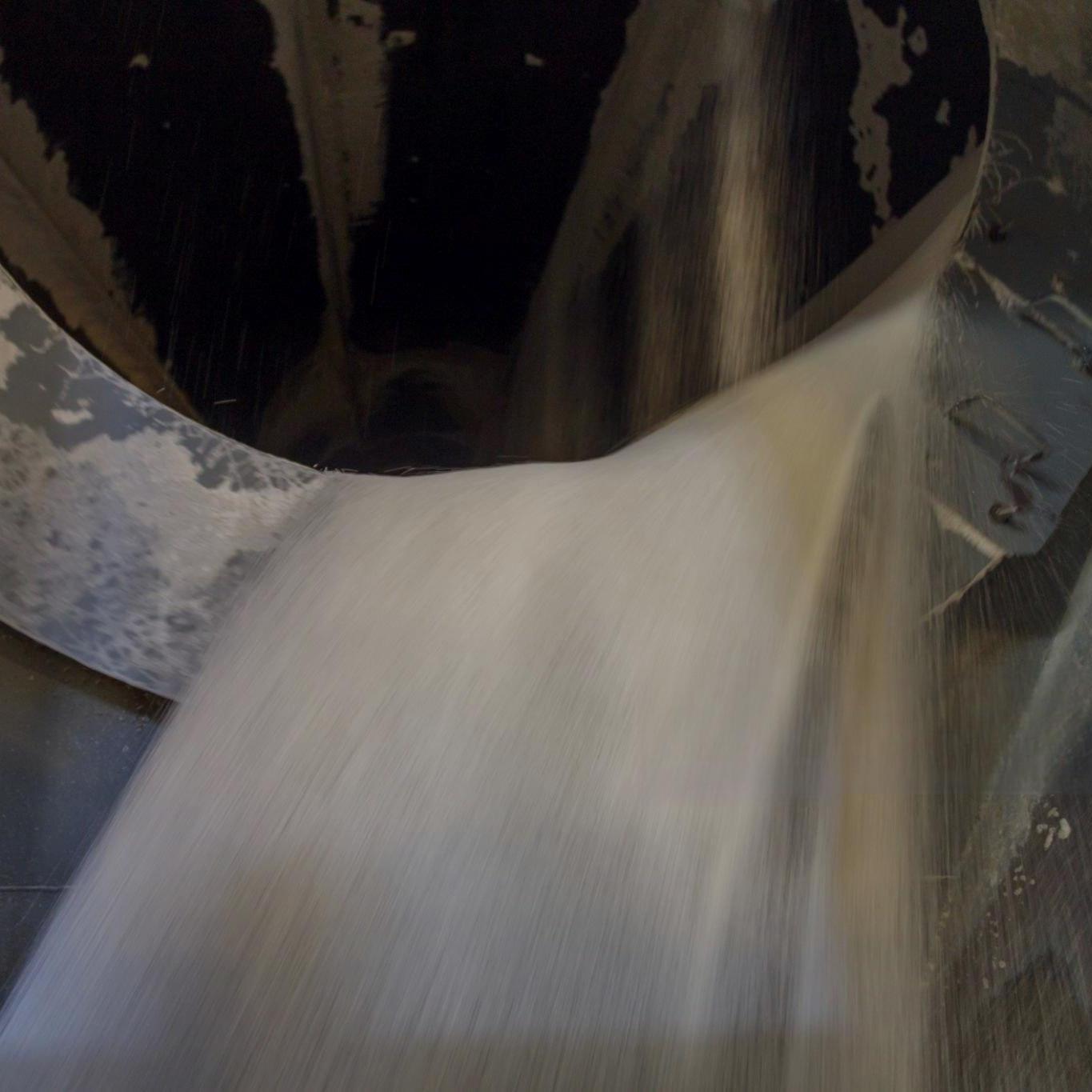
SSP Cake Crusher

Granulation Circuit

Granulation Circuit (For GSSP only)

Drying, Cooling & Screening (For GSSP)
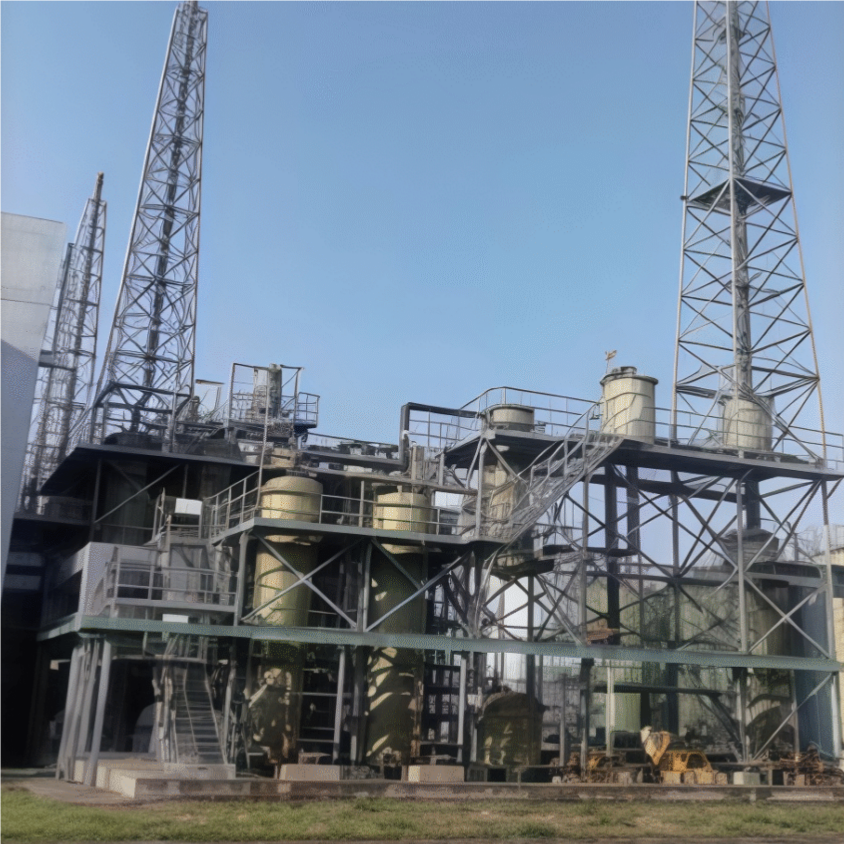
Fume Scrubbing System

Fume Scrubbing System (Essential)
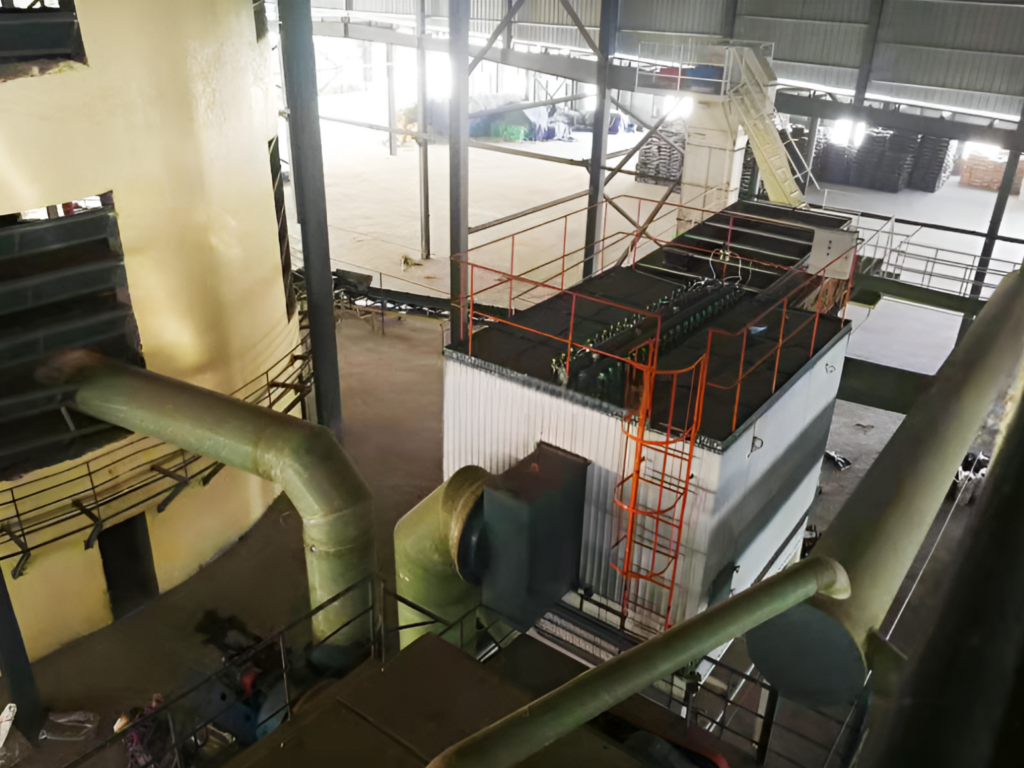
Single Superphosphate (SSP) Production Line Technical Parameters

Parameter

Value / Description

Capacity (P₂O₅ Basis)

30,000 – 150,000 tons per annum

Process Method

Continuous Acidulation (Cone/Belt Mixer)

Acidulation Reaction Time

30 seconds – 5 minutes (in mixer)

Acid Concentration

68% – 72% H₂SO₄

Curing (Maturation) Period

14 – 45 days (for full P₂O₅ conversion)

Final Product Form

Powder or Granules (1-4 mm)

Available P₂O₅ Content

16% – 21% (depends on rock grade)

Automation Level

Basic to Medium (Focus on acid-rock ratio control & safety)

Key Construction Material

Carbon Steel with Rubber/Lead Lining, FRP, Special Alloys for corrosive areas.


Raw Mterials For Single Superphosphate (SSP) Production Line

  • Phosphate Source

    Phosphate Rock of various grades (60-75% BPL). Finely ground to 80-100 mesh for optimal reaction.

  • Acidulant

    Sulfuric Acid (H₂SO₄), typically 68-72% concentration. Oleum or lower concentrations can be adapted for.

  • Water

    For process use, fume scrubbing, and granulation (if producing GSSP).

  • Neutralizing Agent (For Scrubbing)

    Water, caustic soda (NaOH), or ammonia (NH₃) for fume treatment.

Single Superphosphate (SSP) Production Process

Stage 1: Acidulation & Primary Reaction

Phosphate rock is crushed and ground to a fine powder to maximize surface area for the acid reaction.

The ground rock powder and pre-diluted sulfuric acid are continuously and precisely metered into a high-speed mixer (acidulator). The critical control is the acid-to-rock ratio, which determines final product quality.

An immediate, violent exothermic reaction occurs in the mixer, forming a thick, pasty mass of mono-calcium phosphate and calcium sulfate.

Core Reaction:Ca₃(PO₄)₂ + 2H₂SO₄ + 4H₂O → Ca(H₂PO₄)₂·H₂O + 2CaSO₄·2H₂O (Gypsum)

The reaction releases hydrogen fluoride (HF) and silicon tetrafluoride (SiF4) gases. These are immediately captured by a hood and extracted to the fume scrubbing system.

Stage 2: Solidification & Curing (Maturation)

The hot, plastic reaction mass is discharged from the mixer onto a solidification conveyor or into a "den," where it sets into a porous, solid cake over 15-30 minutes.

The solidified cake is broken and transferred to a curing pile in a storage shed. Here, secondary reactions continue for 2-6 weeks. This maturation process converts residual unreacted materials, increasing the percentage of water-soluble P₂O₅ to its maximum level (typically 80-90% of total P₂O₅).

Stage 3: Finishing

Crushing & Storage :After adequate curing, the SSP cake is crushed into a fine powder, analyzed, and then stored or bagged as powdered Single Superphosphate.

Crushing & Granulation: The cured SSP cake is crushed and fed into a rotary drum granulator. Water and fine recycle material are added to form granules.

Drying & Cooling:The soft, moist granules are dried at moderate temperatures to harden them, then cooled.

Screening & Packaging: Granules are screened to the desired size (1-4 mm). On-size granules are coated (optional) and packaged. Oversize and undersize material is crushed and recycled to the granulator.

Stage 4: Fume Treatment (Continuous & Critical)

The extracted SiF4/HF gases are passed through a wet scrubber. Here, they are absorbed in water, producing a fluorosilicic acid (H₂SiF₆) solution, a valuable by-product used in water fluoridation or aluminum production.

Scrubbing Reaction: 3SiF₄(g) + 2H₂O → SiO₂ + 2H₂SiF₆

Sulfate of Potash (SOP) Fertilizer Production Line

Advantages

Proven, Low-Capital Entry into Phosphate Fertilizers

The SSP process is one of the most economical and straightforward methods to produce phosphate fertilizer, offering a lower initial investment and faster ROI compared to more complex phosphoric acid-based processes like DAP/MAP.

Exceptional Raw Material Flexibility & Sulfur Delivery

Our lines are designed to process a wide range of phosphate rock grades (including lower-grade ores). The product SSP supplies both phosphorus (P) and sulfur (S) in a readily available form, a key advantage in sulfur-deficient soils.

Engineered for Extreme Corrosive Service

From acid-resistant linings (rubber, lead) in mixers to FRP ducting and specialized alloys in scrubbers, every component is selected for maximum longevity in the highly corrosive environment of fluoride and sulfate compounds, minimizing lifetime maintenance costs.

Integrated Environmental Protection & By-Product Valorization

The mandatory fume scrubbing system is not an add-on but a core, integrated component. It prevents atmospheric pollution and transforms harmful fumes into saleable fluorosilicic acid, turning an environmental challenge into an additional revenue stream.

Dual-Product Flexibility from One Line

The line design seamlessly accommodates the production of both traditional powder SSP and higher-value, dust-free Granular SSP (GSSP). This allows you to serve different market preferences (bulk blending requires granules) with minimal operational changeover.