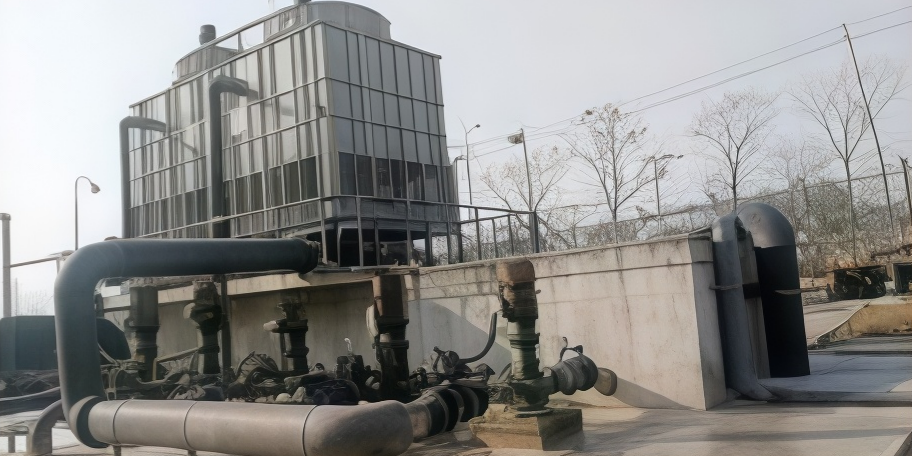
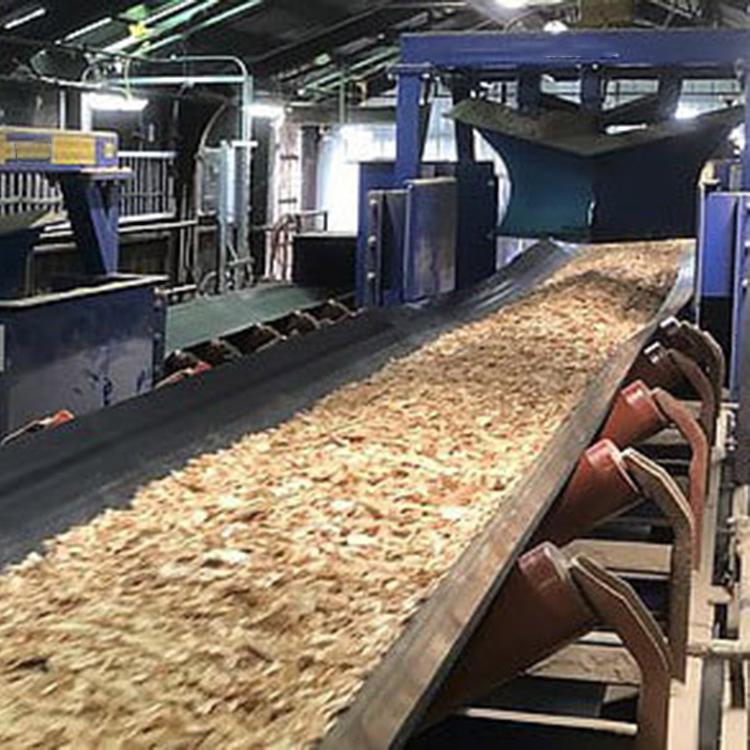
Sulfate of Potash (SOP) Fertilizer Production Line
A specialized, engineered solution for producing high-value, chloride-free potassium fertilizer. Our SOP lines are designed for maximum process efficiency and product purity, utilizing proven methods like the Mannheim Process or sulfate-based conversion to meet the growing demand for premium crops and sensitive soils.
Sulfate of Potash (SOP) Fertilizer Production Line Equipment List
Raw Material Preparation System
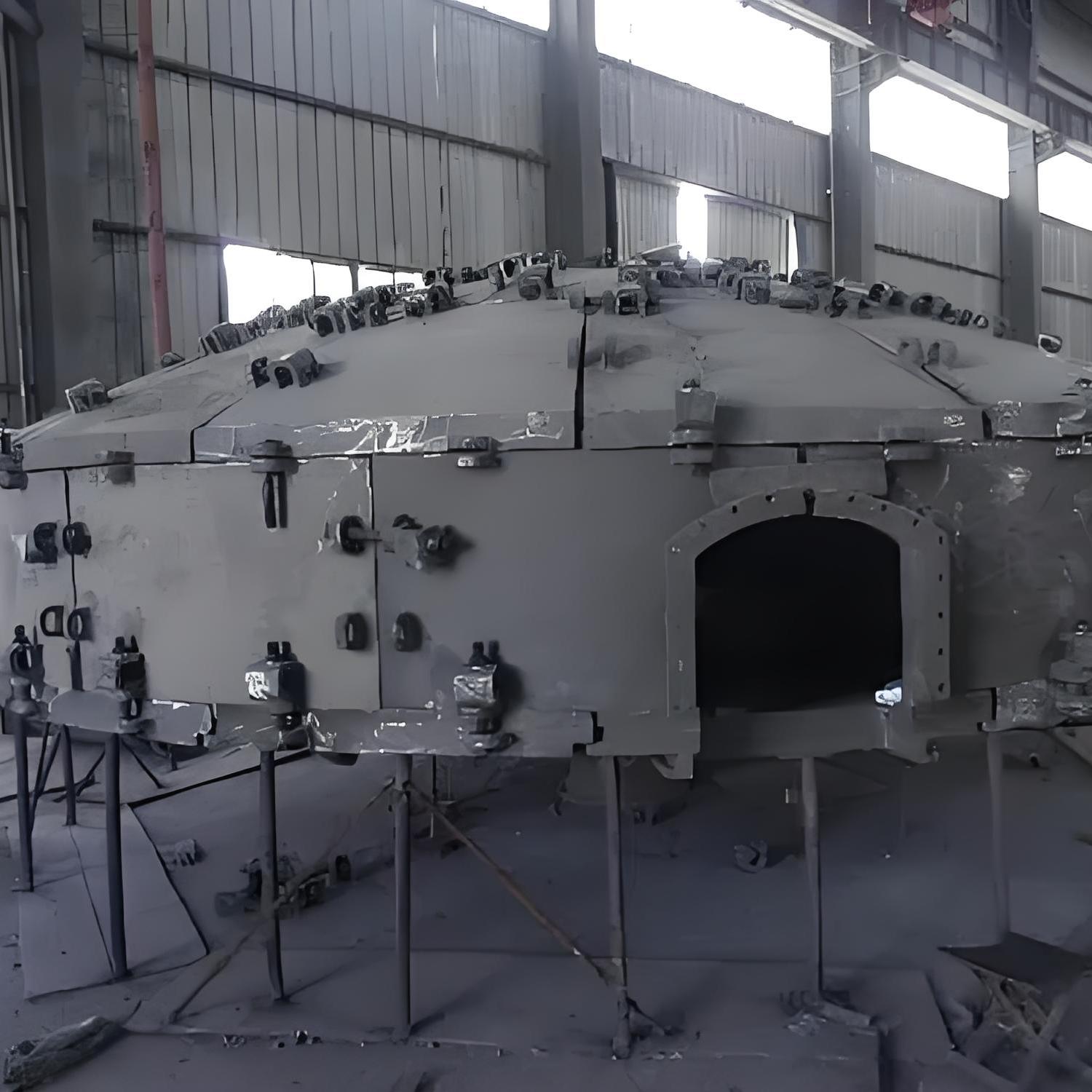
Reactor / Furnace (Core Unit)
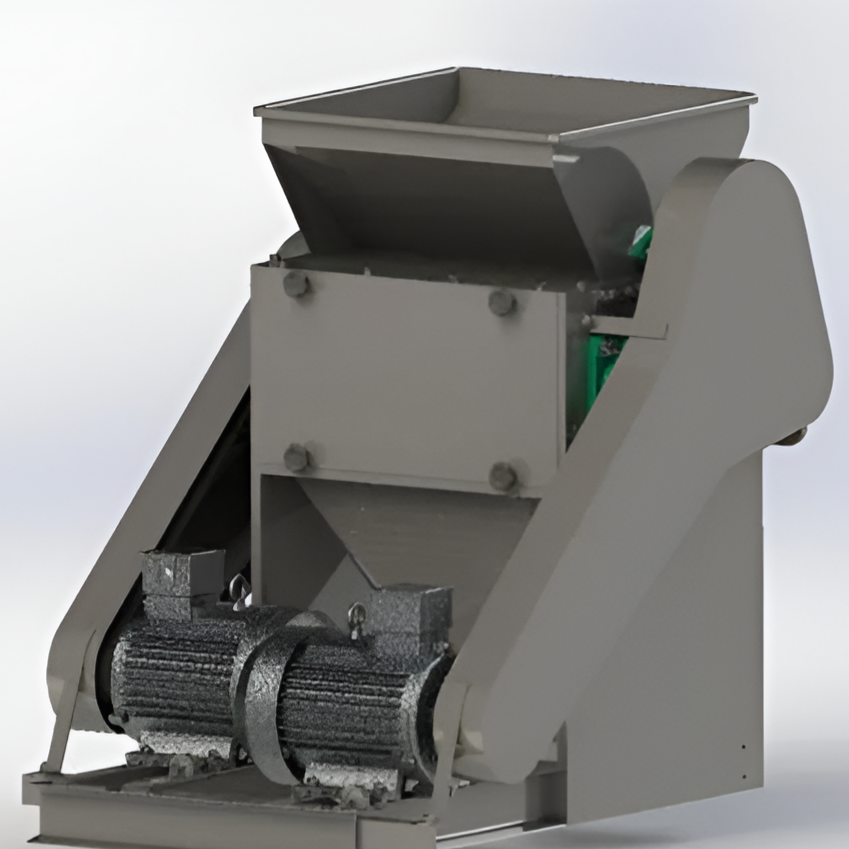
Hot Clinker Breaker / Crusher
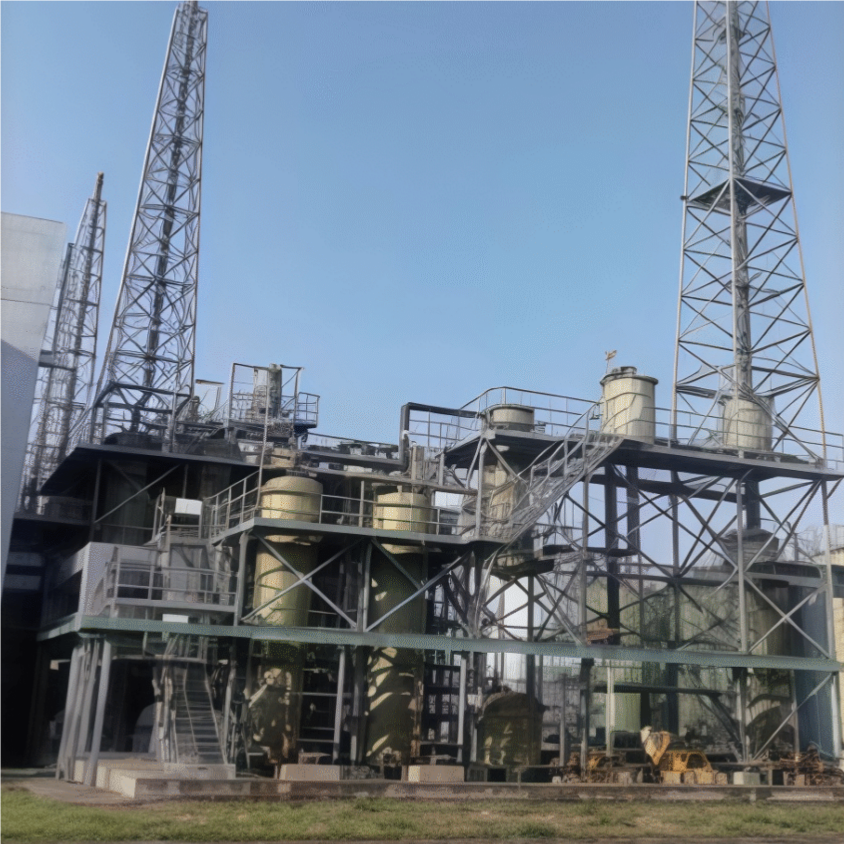
Leaching & Dissolution Tanks
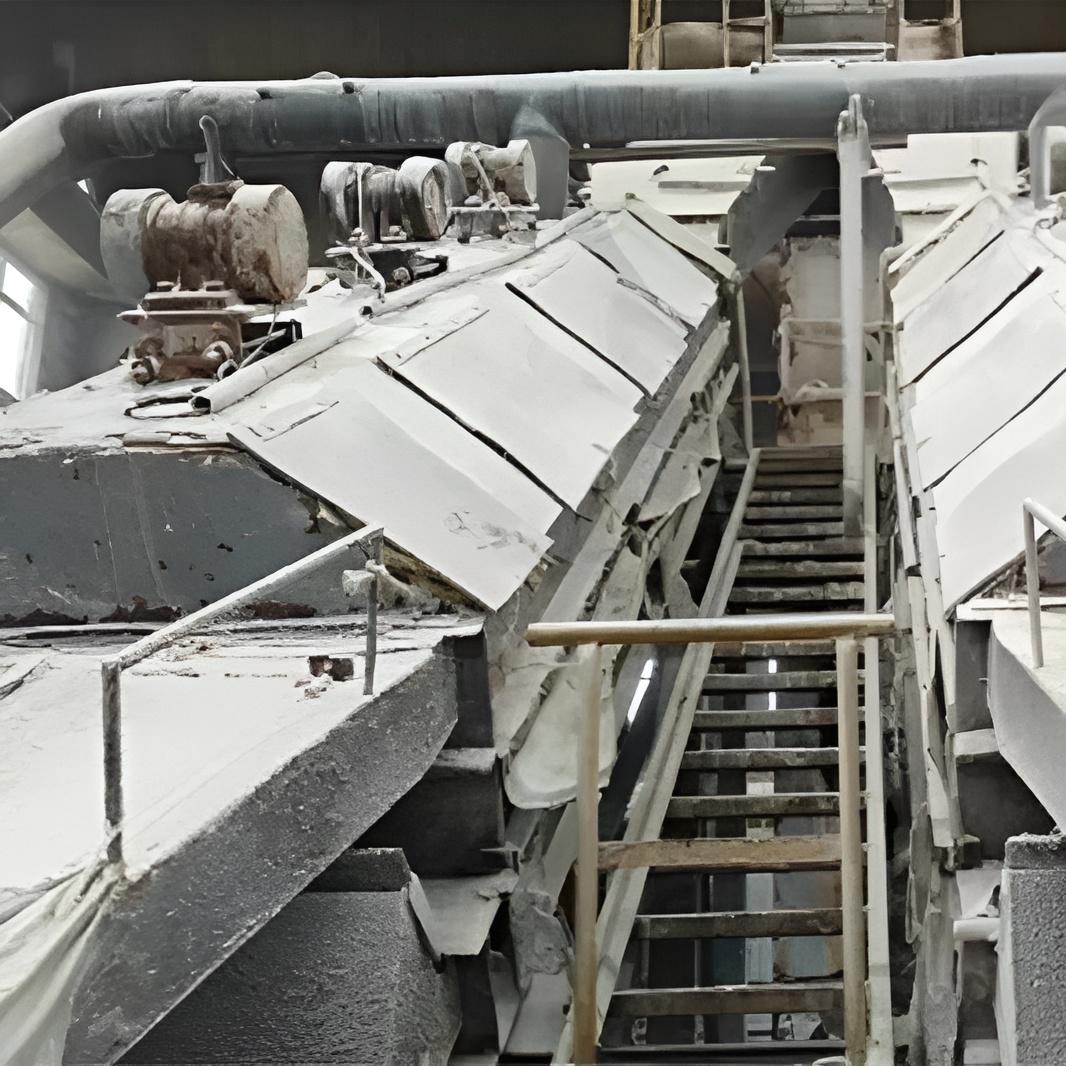
Clarification & Filtration System
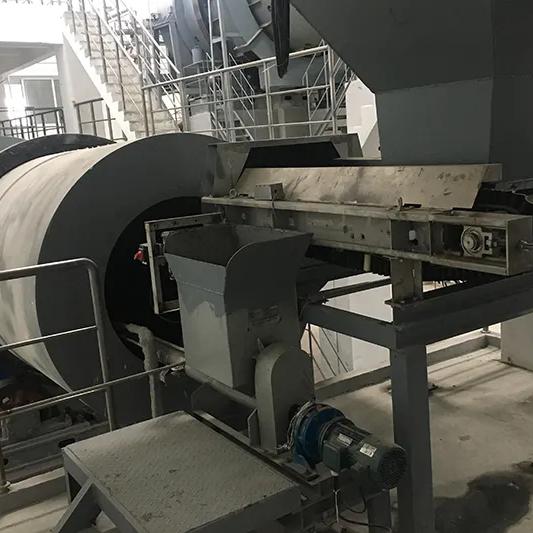
Crystallization System
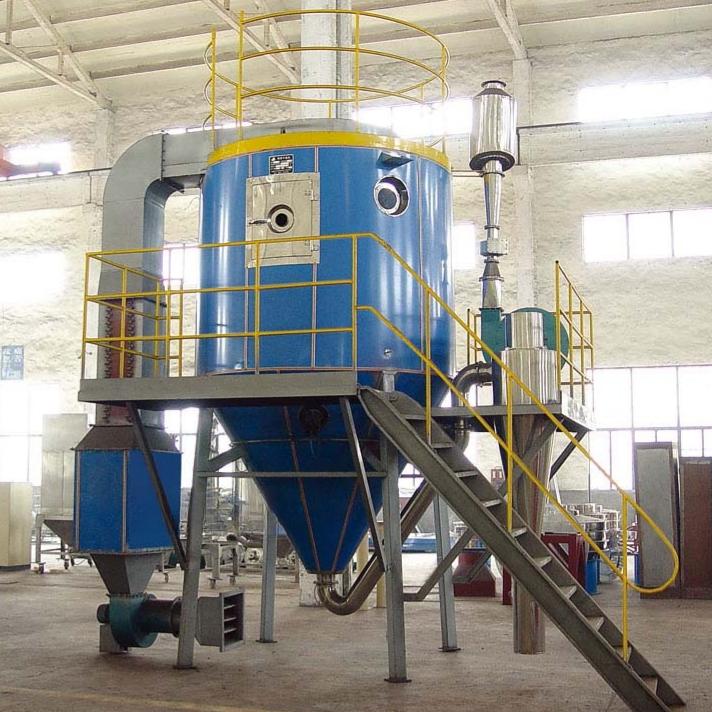
Centrifuge / Dewatering Unit
Rotary Dryer & Cooler
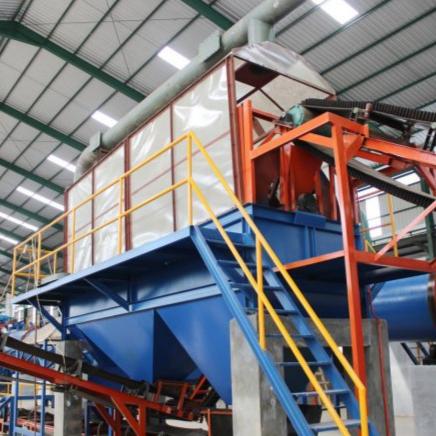
Screening & Conditioning Silo
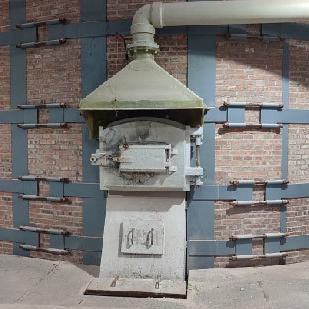
HCl Absorption System (Mannheim)
Sulfate of Potash (SOP) Fertilizer Production Line Technical Parameters
Parameter | Value / Description |
Capacity | 10,000 – 100,000 tons per annum |
Process Methods | Mannheim Process (Thermal) / Sulfate Conversion Process (Solution) |
Reaction Temperature | 500°C – 600°C (Mannheim) / 50°C – 100°C (Conversion) |
Final Product Purity (K₂O) | ≥ 50% – 52% |
Chloride (Cl) Content | ≤ 1.5% |
Main By-Product | Hydrochloric Acid (30-32%) or Gypsum |
Automation Level | High (DCS/PLC Control for safety and consistency) |
Key Material of Construction | Special Refractory Bricks (Furnace), Hastelloy C-276 / Fiberglass Reinforced Plastic (FRP) for corrosive areas, Rubber-lined Steel. |
Raw Mterials For Sulfate of Potash (SOP) Fertilizer Production Line
-
Primary Potassium Source
Potassium Chloride (MOP) – Standard or coarse grade (60% K₂O min).
-
Primary Sulfate Source (Method Dependent)
For Mannheim Process: Concentrated Sulfuric Acid (92-98% H₂SO₄). For Conversion Process: Potassium Sulfate Magnesium (Kieserite, MgSO₄·H₂O), Sodium Sulfate (Thenardite), Magnesium Sulfate (Epsom), or Ammonium Sulfate.
-
Process Water & Utilities
Demineralized water, steam, cooling water.
-
Neutralizing Agents (For Scrubbing)
Water or alkaline solutions for HCl absorption.
Sulfate of Potash (SOP) Fertilizer Production Process
Mannheim Process (Thermal Reaction)
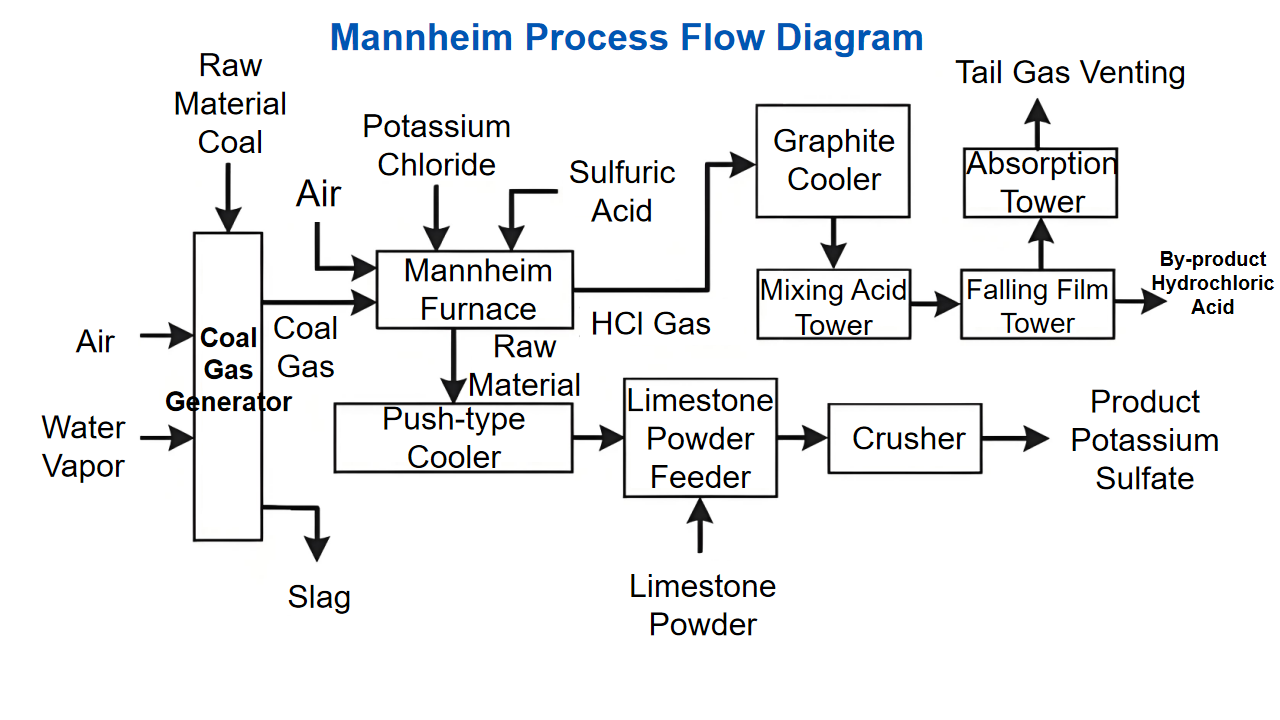
Solid MOP and concentrated sulfuric acid are precisely metered and fed into the Mannheim furnace in a stoichiometric ratio.
The mixture is heated to 500-600°C in cast iron muffle chambers. Mechanical rabbles continuously stir the mass. The reaction produces solid potassium bisulfate intermediate and hydrogen chloride gas.
Reaction:KCl + H₂SO₄ → KHSO₄ + HCl(g)
Continued heating converts the bisulfate to sulfate, resulting in a solid SOP clinker.
Reaction:KHSO₄ + KCl → K₂SO₄ + HCl(g)
The hot HCl gas is cooled and absorbed in water in a multi-stage absorption tower to produce high-purity commercial hydrochloric acid (30-32%).
The hot SOP clinker is discharged, cooled, crushed, and then leached with water to dissolve the SOP.
The SOP solution is clarified, concentrated, and sent to vacuum crystallizers for purification and crystal growth. Crystals are centrifuged, dried, cooled, and screened to produce a granular product.
Sulfate Conversion Process (Solution Reaction)
MOP is reacted with a chosen sulfate salt (e.g., Kieserite, Sodium Sulfate) in a series of stirred reaction tanks under controlled temperature and concentration. This forms SOP and a co-crystallized by-product or leaves a soluble salt in solution.
Example (with Kieserite):2 KCl + MgSO₄ → K₂SO₄ + MgCl₂
The slurry, containing SOP crystals and other salts, is fed to centrifuges or filters to separate the solid SOP.
The crude SOP solids are re-dissolved in hot water or mother liquor. The solution is then clarified and subjected to vacuum crystallization to yield pure, large SOP crystals.
The mother liquor from the initial separation, containing magnesium chloride or sodium chloride, is processed for recovery or environmentally safe disposal.
The pure SOP crystals are dewatered, dried in an indirect dryer, screened, and bagged.
Sulfate of Potash (SOP) Fertilizer Production Line
Advantages
Produces Premium, High-Margin Fertilizer
Enables production of chloride-free SOP, essential for chloride-sensitive high-value crops (tobacco, fruits, vegetables, nuts) and saline soils, allowing you to access premium market segments.
Dual-Process Expertise for Optimal Economics
We provide both Mannheim and Conversion process technologies, allowing you to select the most cost-effective route based on local raw material (sulfuric acid vs. sulfate salts) and by-product (HCl vs. other salts) market conditions.
Engineered for Extreme Corrosion Resistance
The entire line, especially for the Mannheim process, is constructed with specialized materials (refractory, high-nickel alloys, FRP, rubber lining) to withstand highly corrosive environments of hot HCl gas and acidic solutions, ensuring long plant life.
Maximized Resource Utilization & Energy Integration
The design prioritizes heat recovery (e.g., from furnace gases, HCl cooling, condensate) and by-product valorization. Hydrochloric acid from the Mannheim process is a valuable commercial product, not a waste stream, improving project economics.
Inherently Safe & Environmentally Compliant Design
Safety systems for handling hot acids and gases are integral. The closed-loop HCl absorption system ensures no acidic emissions. Solution processes are designed for minimum effluent discharge or complete salt recovery, meeting stringent environmental standards.