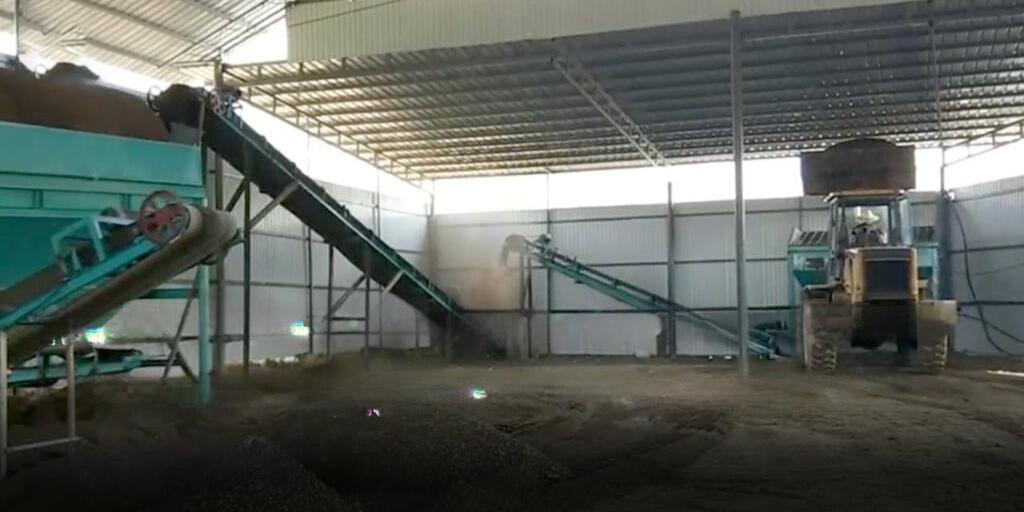
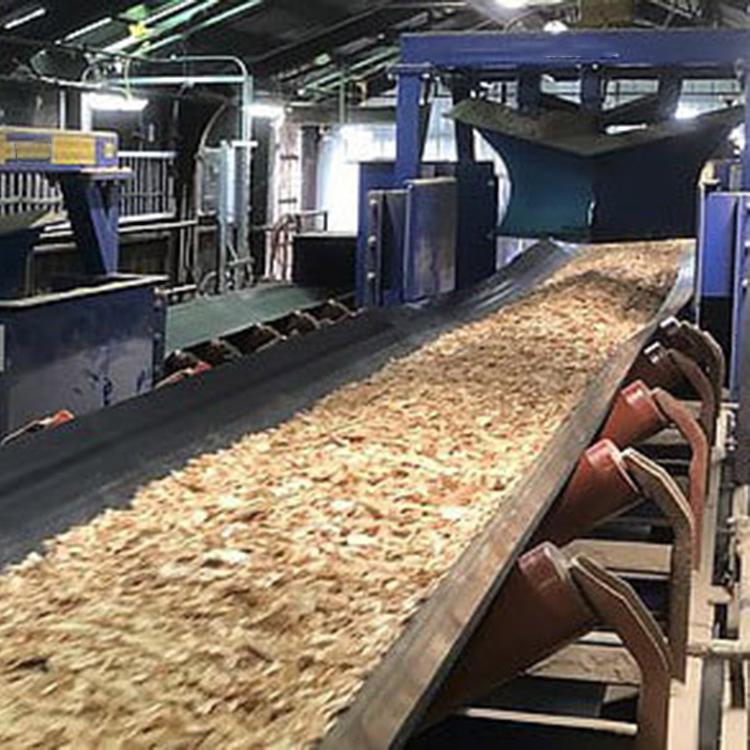
Organic Fertilizer Production Line

A complete, eco-friendly solution for transforming organic waste (manure, sludge, agro-residues) into high-quality, stable, and nutrient-rich organic fertilizer. Our line combines robust fermentation technology with flexible granulation options to support sustainable agriculture and circular economy projects.

Organic-Inorganic Fertilizer Production Line Equipment List

Raw Material Feeding System

Raw Material Pre-Mixer
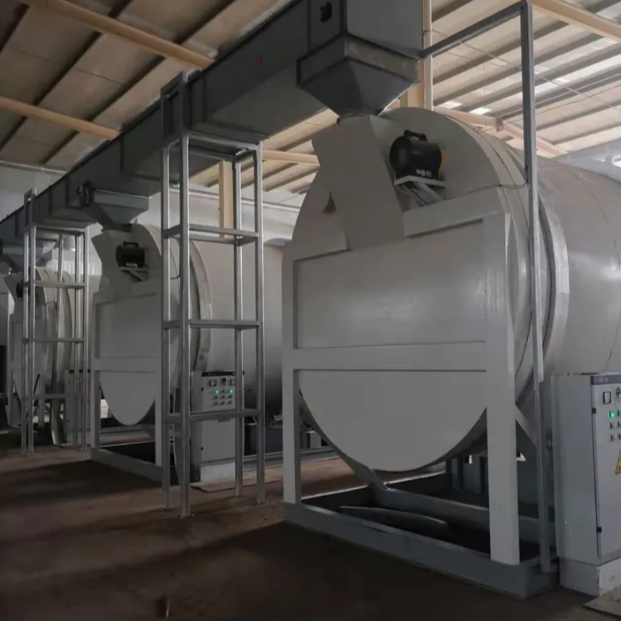
Fermentation System

Fermentation System (Core)

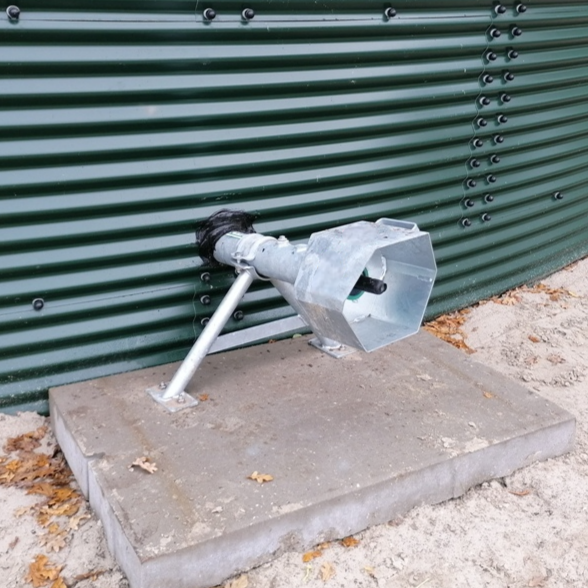
Deodorization

Bio-filter Deodorization System

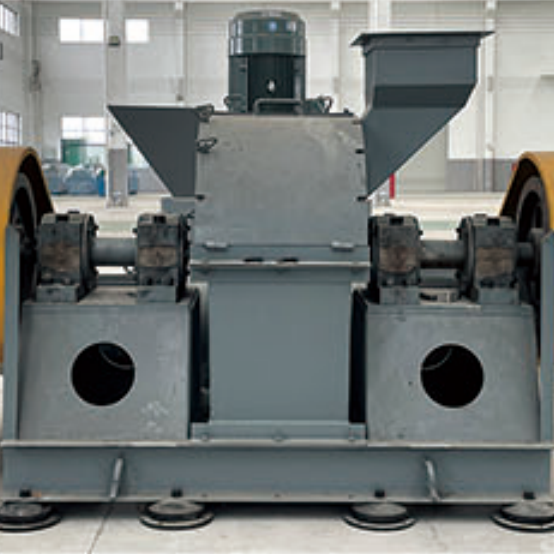
Primary Crusher
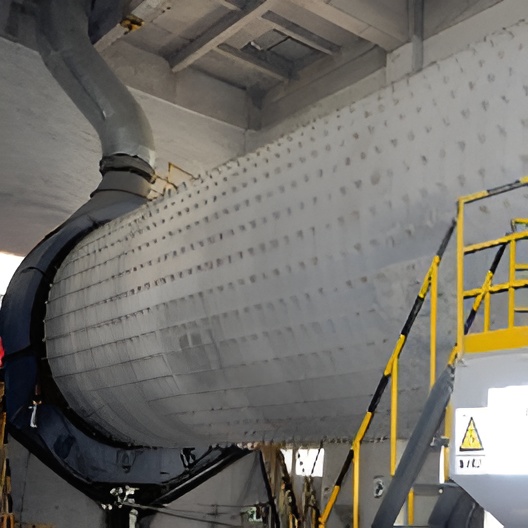
Primary Crusher

Secondary Grinder

Secondary Grinder

Batching & Mixing Silo
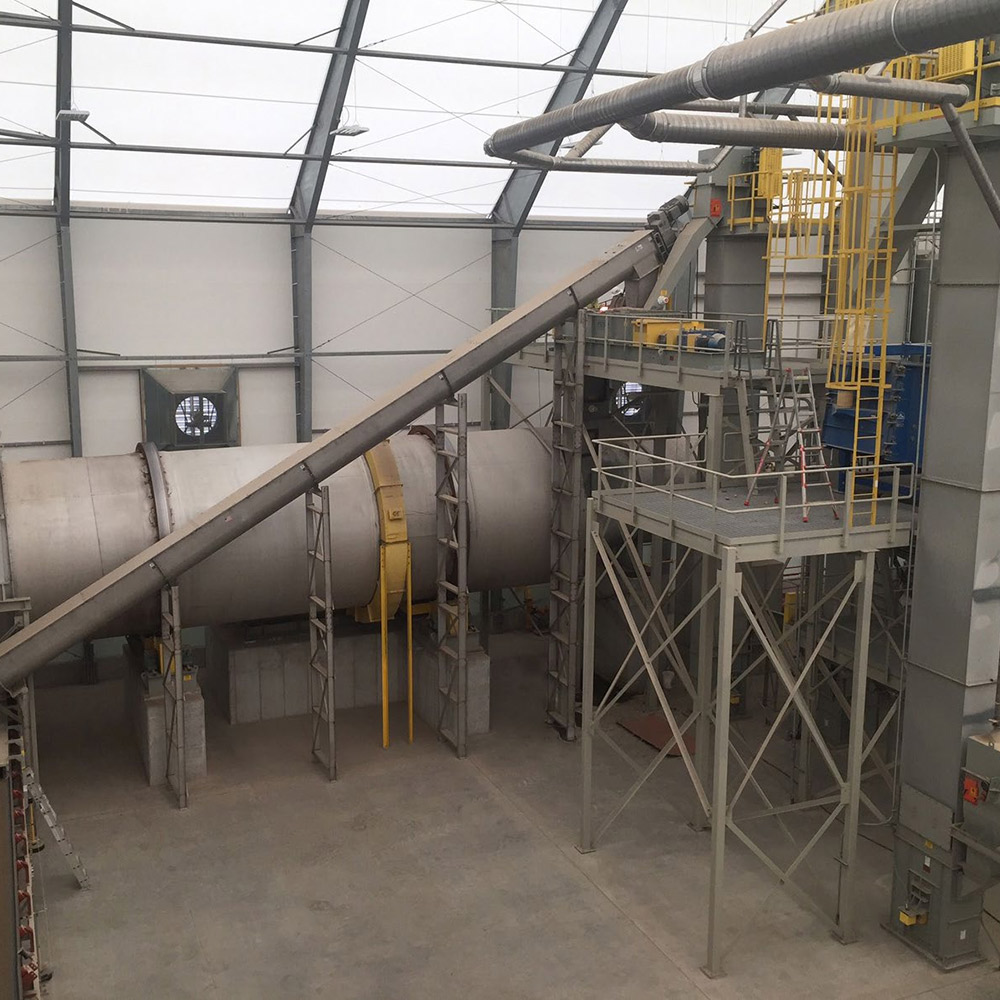
Granulation Unit
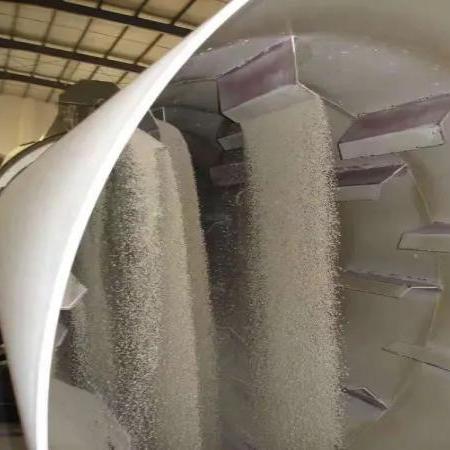
Granulation Unit

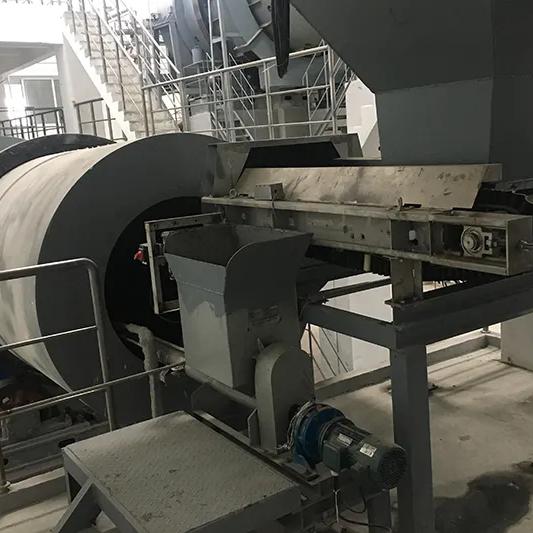
Drying & Cooling Machine
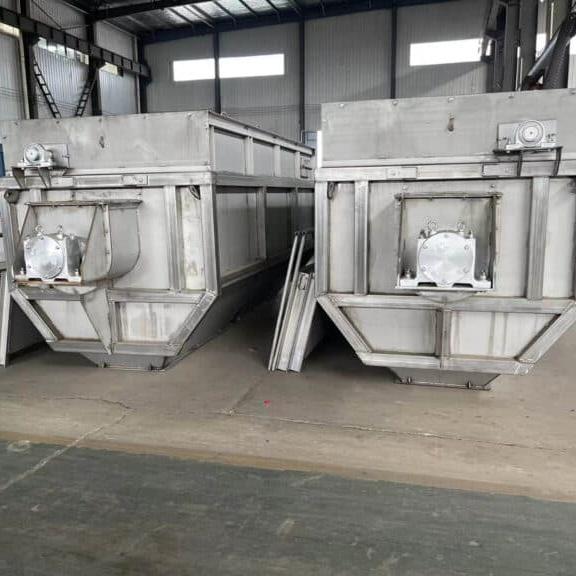
Drying & Cooling Machine

Screening & Recycling System
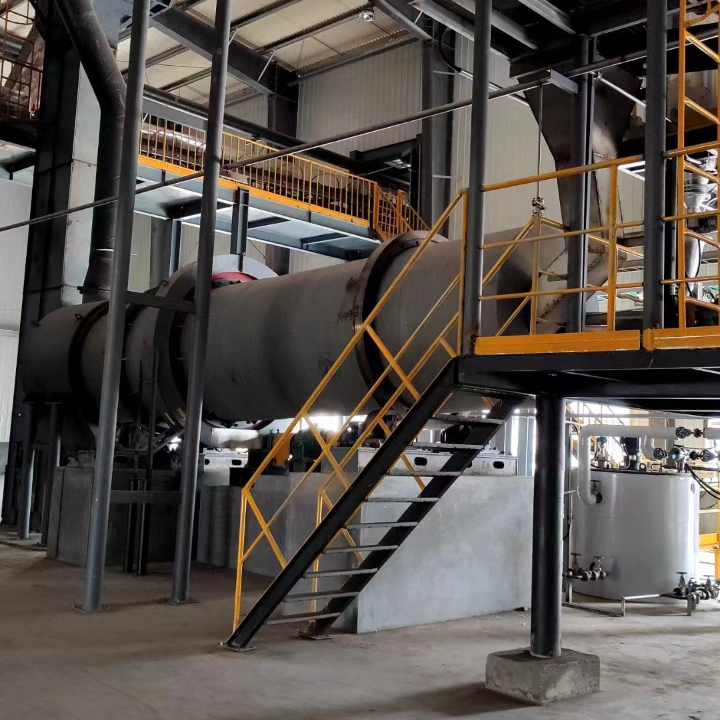
Coating & Packaging
Coating & Packaging

Organic Fertilizer Production Line Technical Parameters

Parameter

Value / Description

Capacity (Final Product)

1–20 tons per hour

Fermentation Cycle

7–20 days (depending on technology & climate)

Moisture Reduction (During Fermentation)

From ~60% to ~30%

Granulation Rate (Organic Powder)

≥ 85%

Final Product Moisture

≤ 15%

Particle Size

2–6 mm (granular) or powder form

Automation Level

Basic to Semi-Automatic

Key Feature

Tailored for high-fiber, abrasive materials; corrosion-resistant components.

Raw Mterials For Organic Fertilizer Production Line

  • Primary Organic Waste

    Animal Manure (chicken, cow, pig, sheep), Municipal/Industrial Sludge (approved for agriculture), Food Processing Waste.

  • Carbon-Rich Amendments

    Crop Straw, Sawdust, Rice Husks, Peat, Bagasse (to adjust C/N ratio and porosity).

  • Additives for Fermentation

    Microbial Inoculants (Starters) to accelerate decomposition, Deodorizing Agents.

  • Additives for Enrichment (Optional)

    Rock Phosphate, Algae Powder, Bone Meal, Inorganic N-P-K powders to fortify nutrient content (for organic-inorganic blends).

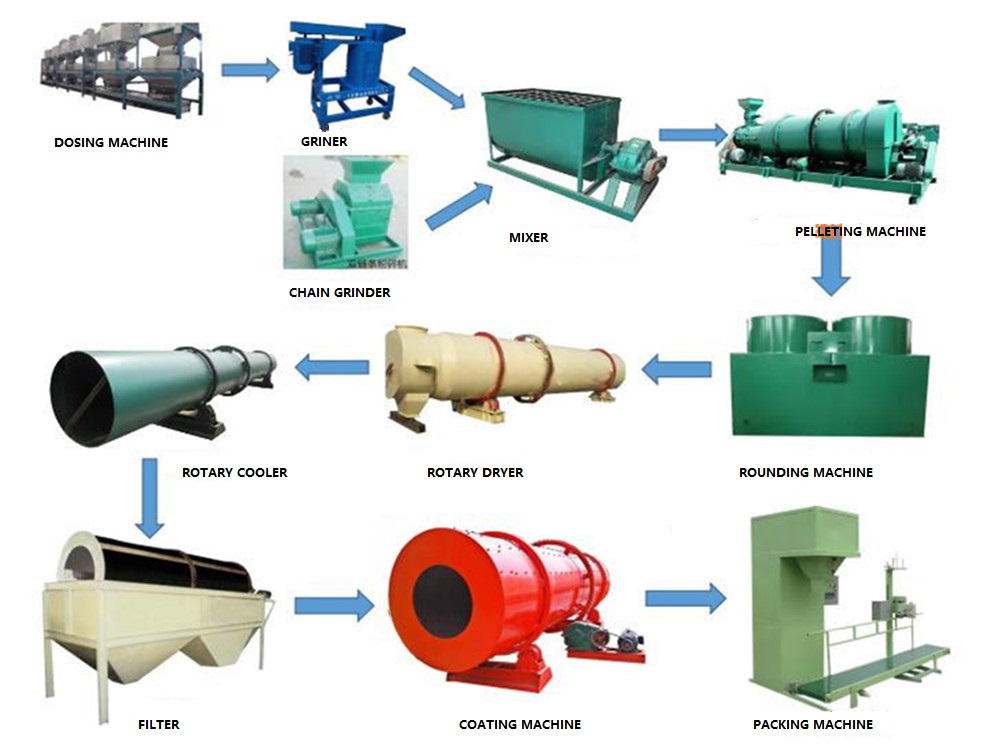
Organic Fertilizer Production Process

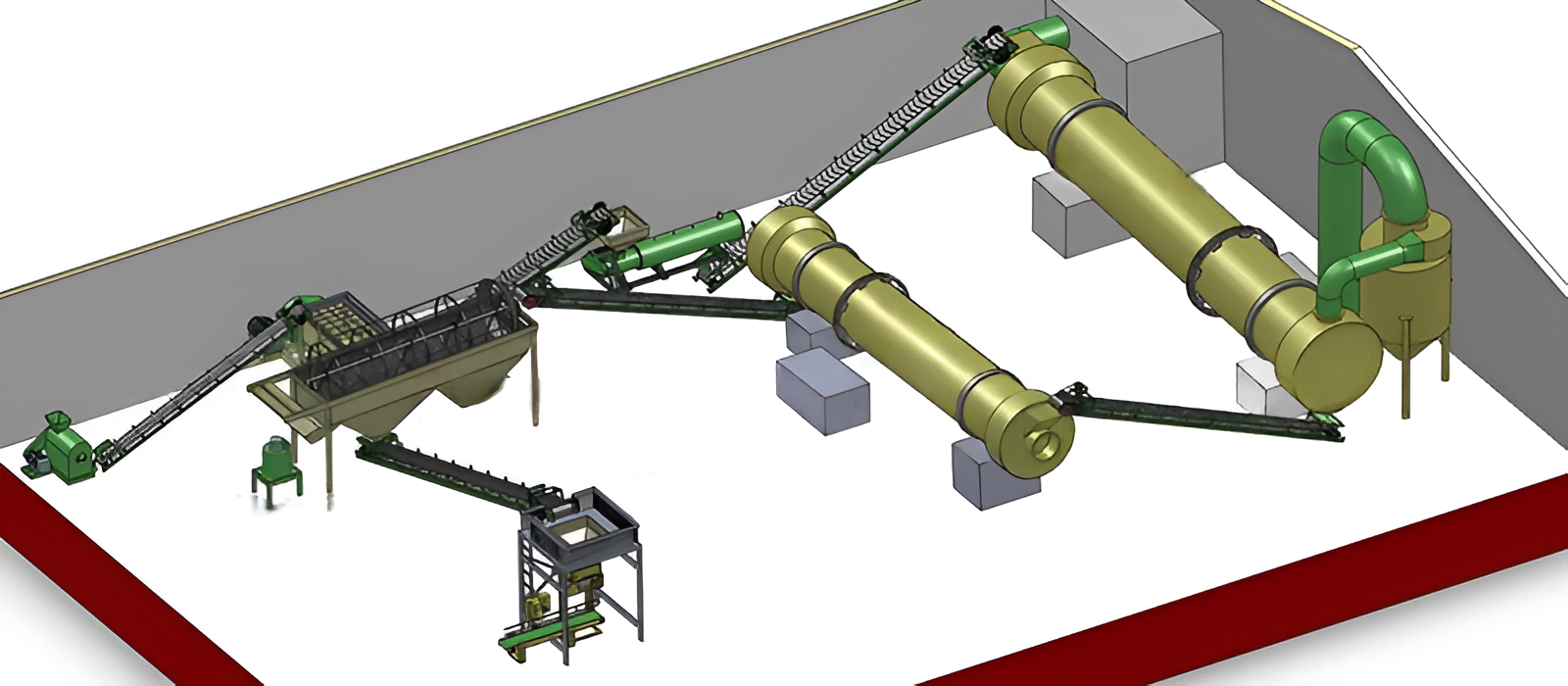
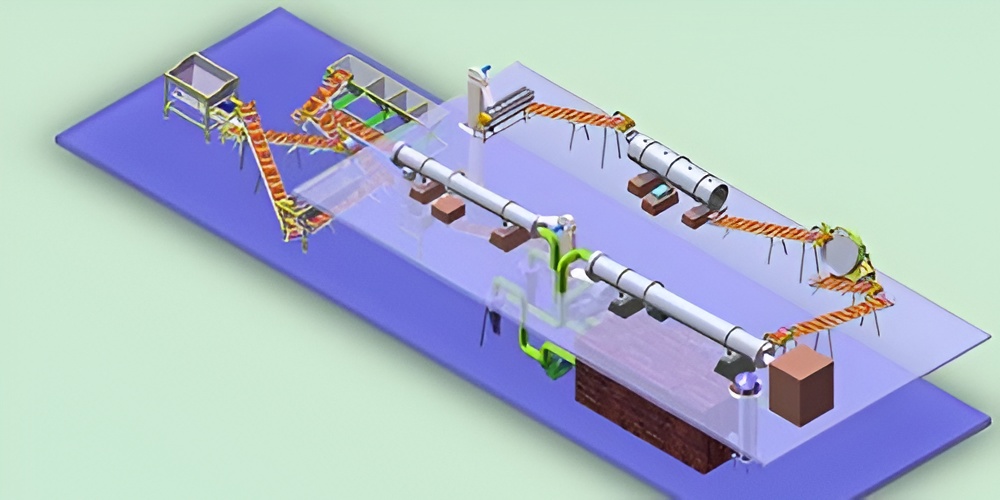
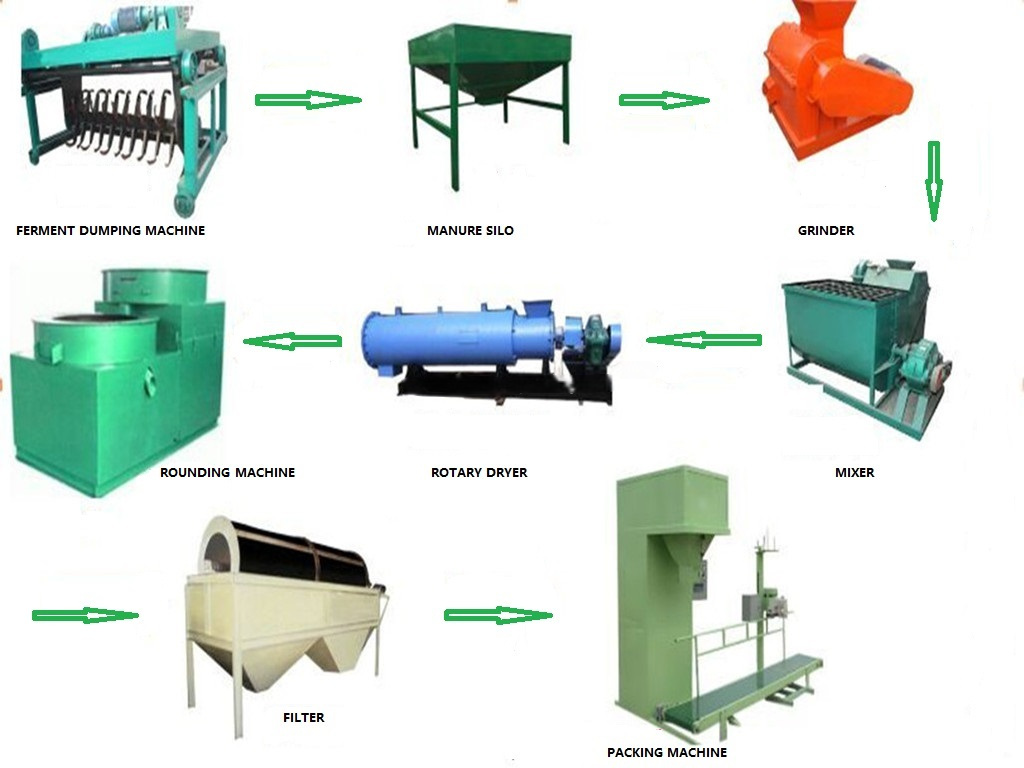
Raw manure or sludge is first received and blended with dry amendments in our Pre-Treatment System. This essential stage creates a homogeneous mixture with the correct balance of carbon, nitrogen, and moisture, setting the foundation for efficient fermentation. For detailed specifications, visit our [Organic Fertilizer Pre-Treatment] equipment page.

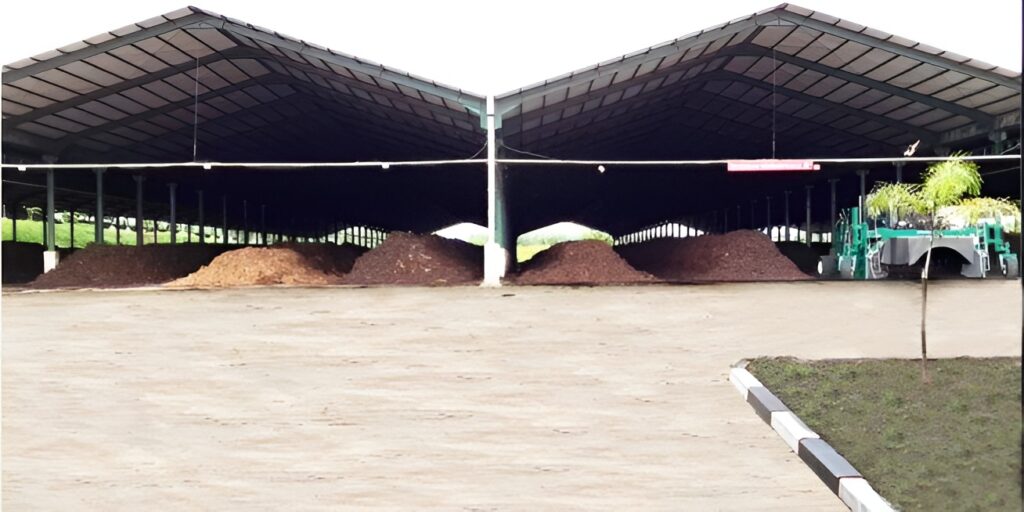
The blended material is formed into windrows or loaded into fermentation tanks.

A compost turner regularly mixes the piles (every 1-2 days), supplying oxygen, regulating temperature, and ensuring uniformity. Temperature rises to 55-70°C, killing pathogens and weed seeds.

Exhaust gases from the active piles are captured by a ducting system and treated in a biofilter, eliminating over 90% of odors (ammonia, hydrogen sulfide).

After the thermophilic phase, the material cures for a period to stabilize, resulting in fully decomposed, sanitary, and stable crude organic compost.

The fermented compost, now clumpy and fibrous, is passed through a primary crusher and then a semi-wet material grinder to produce a fine, uniform organic powder suitable for granulation.

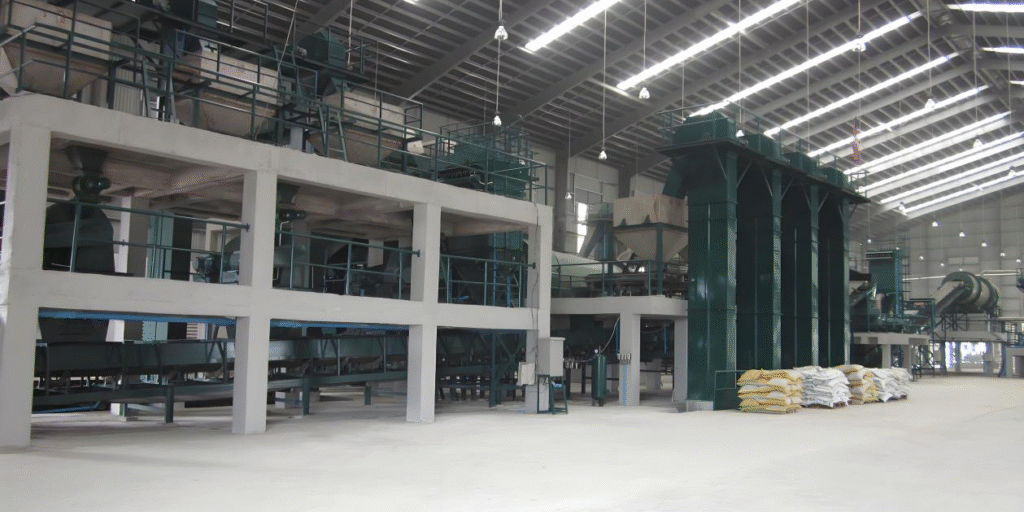
The organic powder is conveyed to a mixing silo. Here, powdered additives (e.g., microbial inoculants, nutrient fortifiers) can be precisely added and blended according to the final product specification.

The mixed powder is fed into a New Type Organic Fertilizer Granulator. This specialized equipment uses a unique mechanical rotary motion to form dense, spherical granules from the fibrous organic material without requiring high heat or binders.

The moist, soft granules are gently dried in a low-temperature rotary dryer (<80°C) to reduce moisture to a stable level. They are then cooled in a rotary cooler to harden.

The cooled granules are screened. On-size product is conveyed to the packaging line. Fines and oversize are crushed and recycled back to the granulation process. Finished granules are weighed and bagged.

Organic-Inorganic Fertilizer Production Line

Advantages

True Waste-to-Resource Solution with High ROI

Transforms problematic waste (manure, sludge) into a valuable, marketable product. Provides an economic return on waste management, often with government environmental subsidies, leading to excellent investment returns.

Eco-Friendly & Compliant by Design

The integrated closed-loop deodorization system ensures the plant meets the strictest environmental regulations for air and water quality. It addresses the primary social concern of odor from organic waste processing.

Flexible End-Product Portfolio

Can produce powdered organic fertilizer, granular organic fertilizer, organic-inorganic compound fertilizer, and bio-organic fertilizer (enriched with beneficial microbes) from the same base line, allowing you to serve diverse market segments.

Advanced Fermentation Control for Quality & Speed

Our tank or forced-aeration windrow systems provide superior control over temperature, moisture, and aeration compared to traditional piles. This ensures thorough sanitization (pathogen elimination), shorter processing time (by 30-50%), and produces a more stable, mature, and high-quality compost base.

Robust Engineering for Abrasive Materials

Equipment is specifically designed for the high-moisture, high-fiber, and abrasive nature of organic materials. Features include reinforced shafts, wear-resistant liners, and anti-clogging designs to ensure high uptime and low maintenance in demanding conditions.