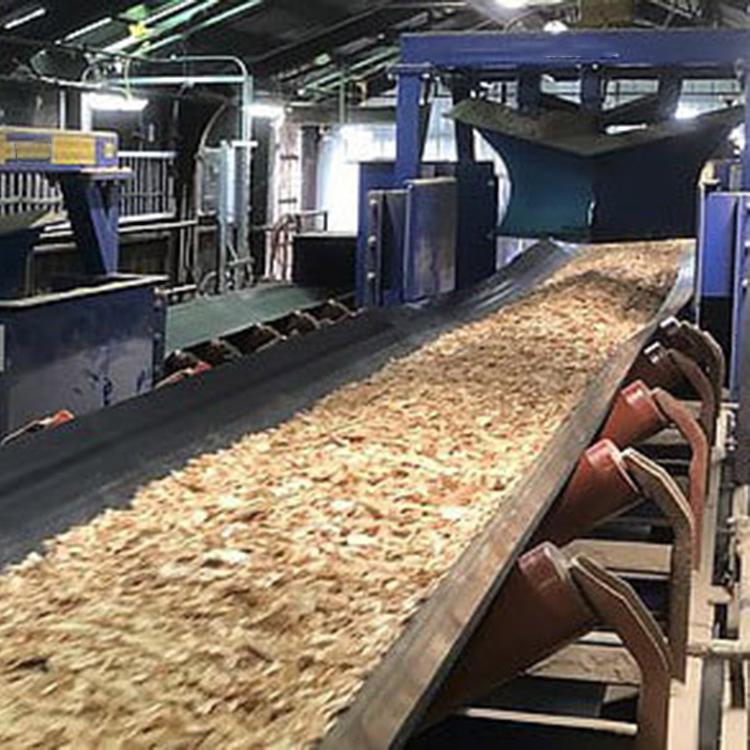
High-Tower Granulation Production Line
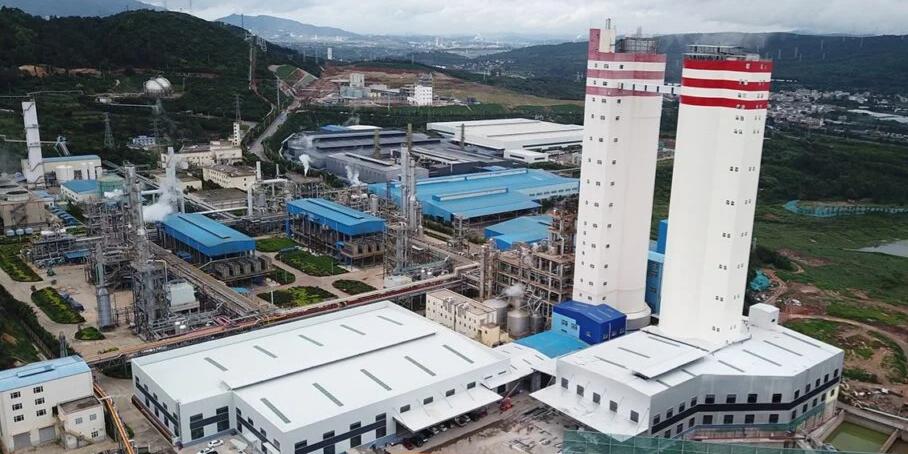
Designed for manufacturing premium, spherical compound fertilizers with the highest nutrient concentration and instant solubility. Our high-tower granulation line utilizes a unique melt-and-prilling process to produce superior, dust-free granules that command a premium in the market.
High-Tower Granulation Production Line Equipment List
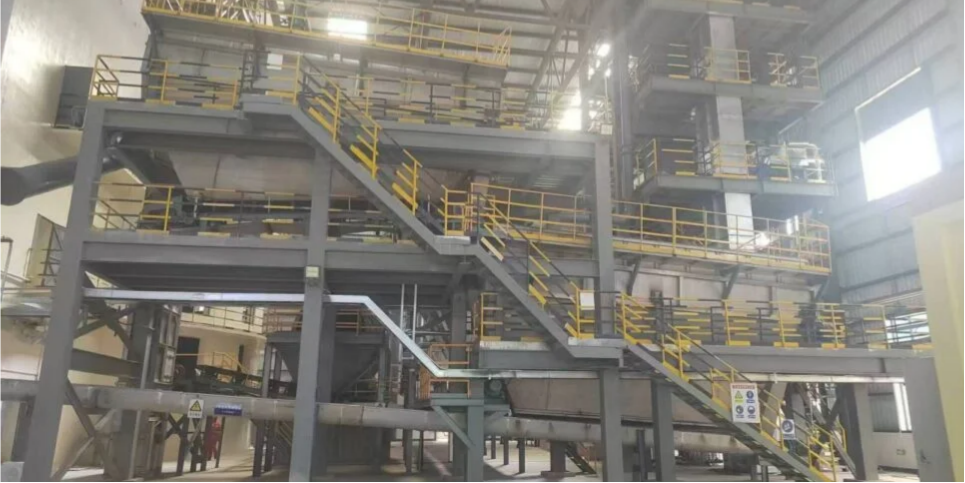
Raw Material Pre-Mixing System
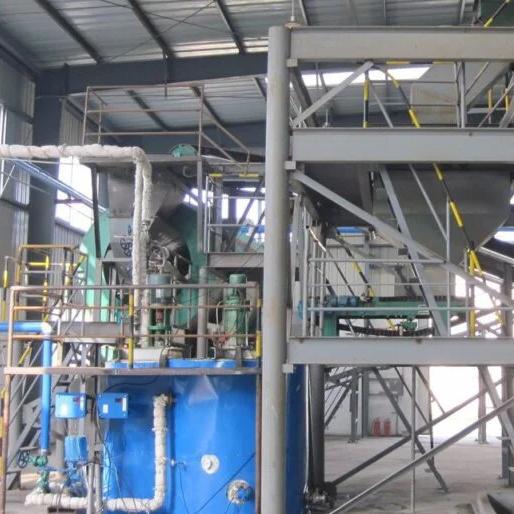
Urea/AN Melting Tank & Heater
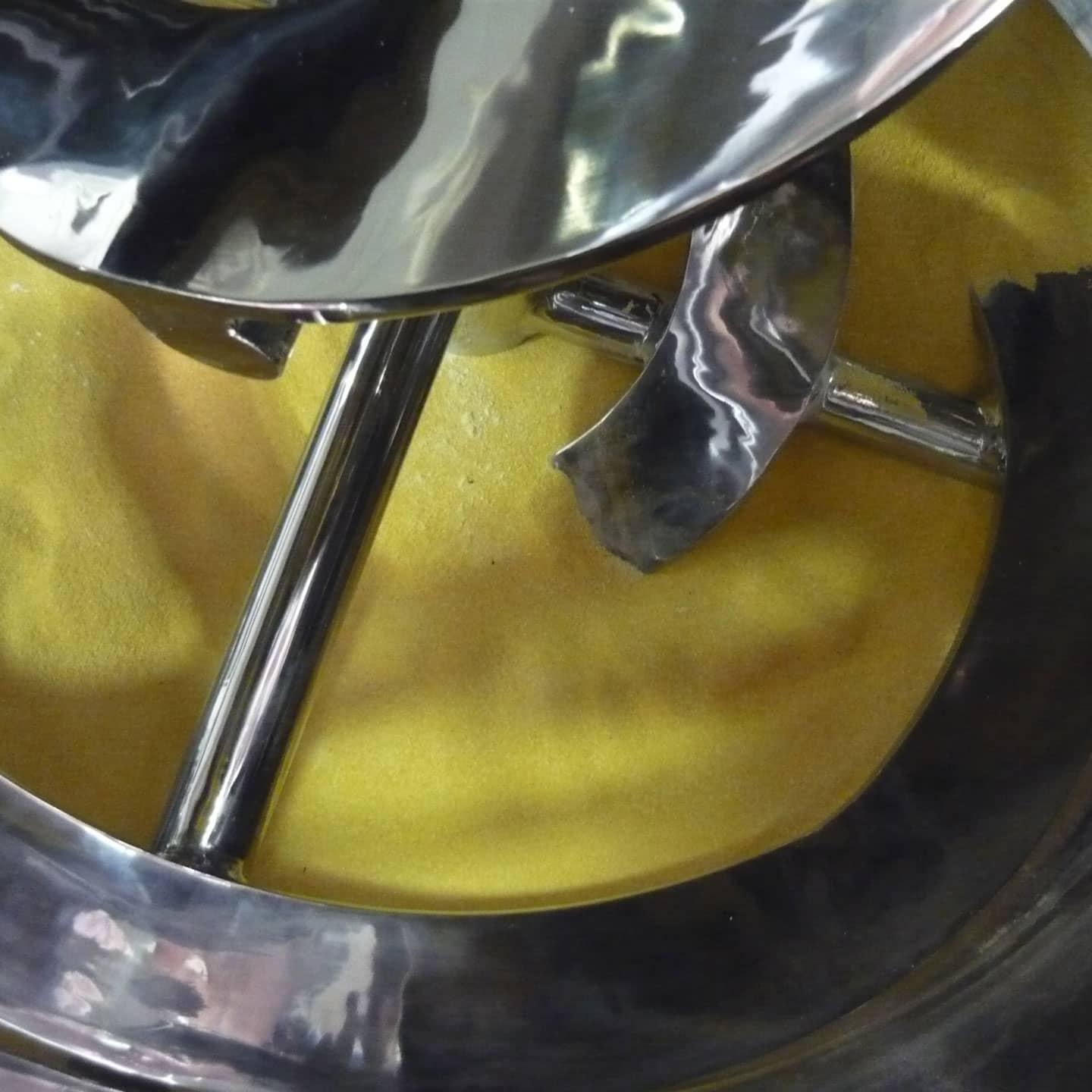
Hot Melt Slurry Mixer
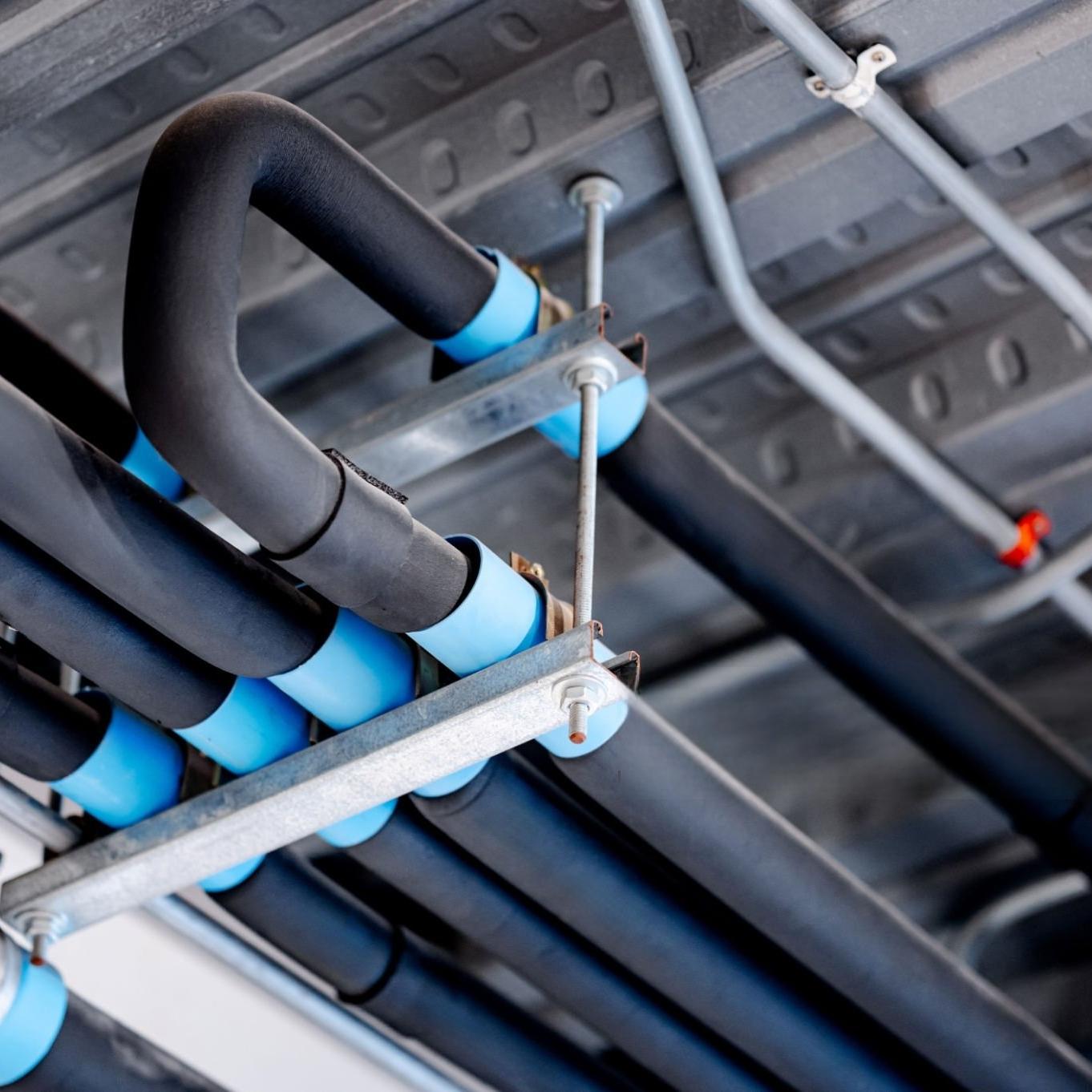
Slurry Feed Pump & Pipeline
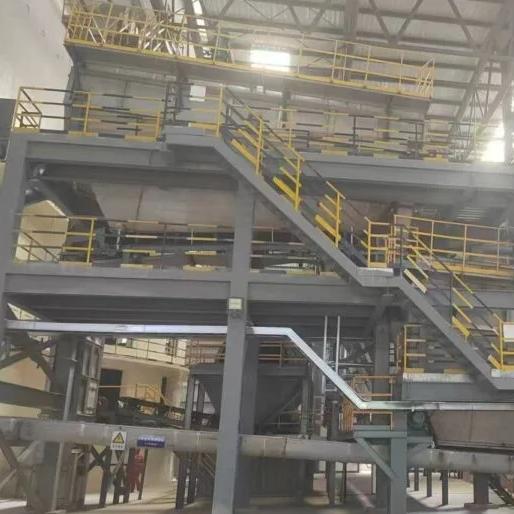
High-Tower Prilling System
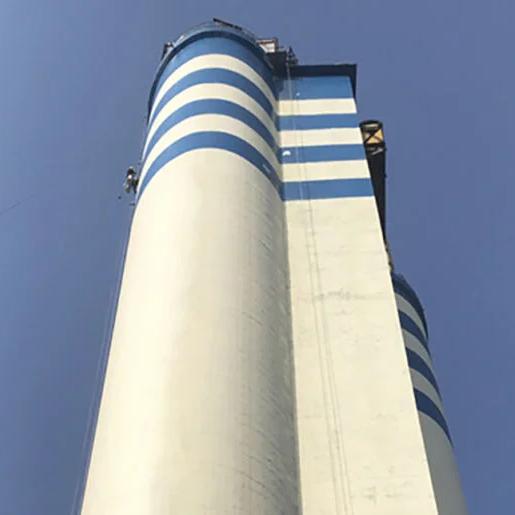
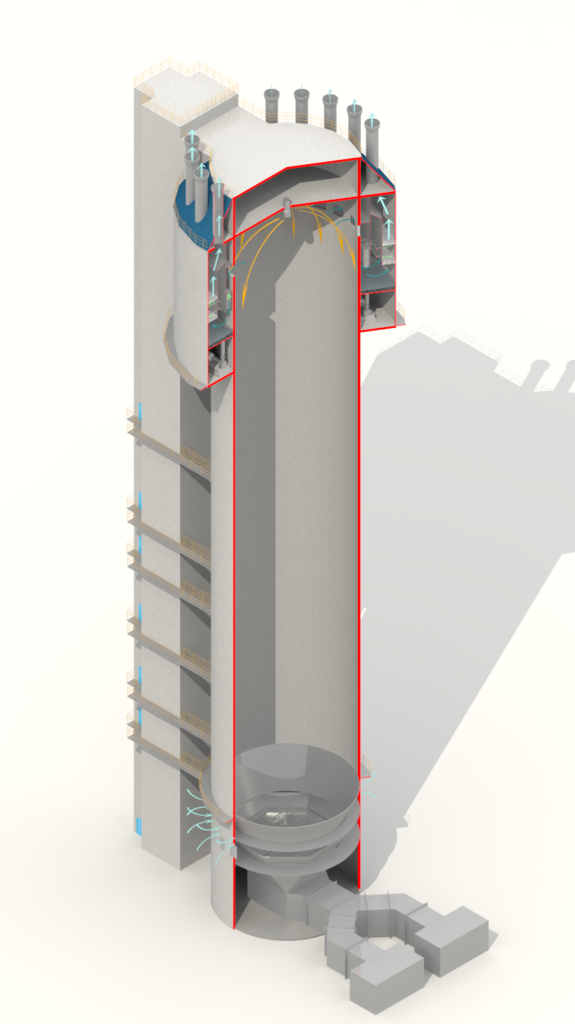
Cooling & Solidification Zone (Tower Body)
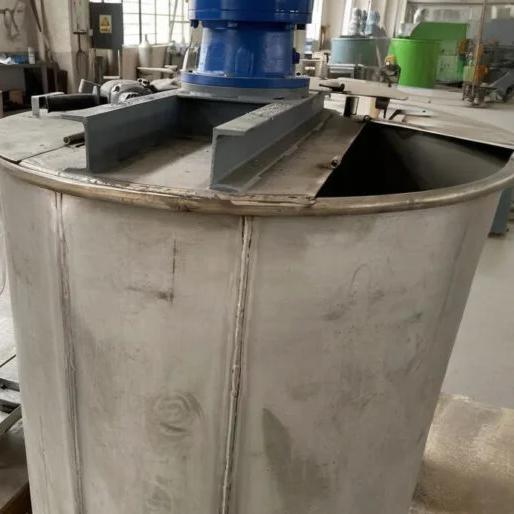
Tower Bottom Cone & Granule Collector
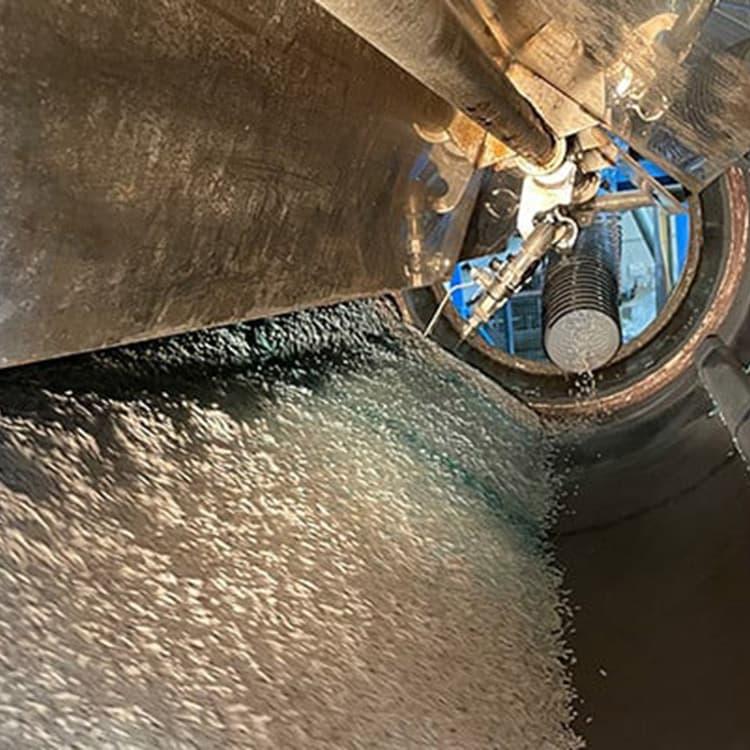
Screening & Coating Unit
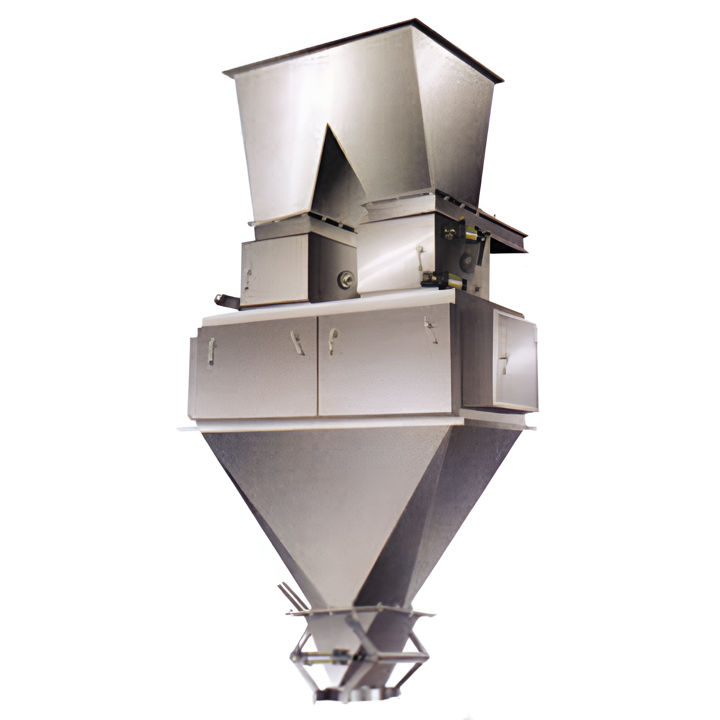
Finished Product Packaging
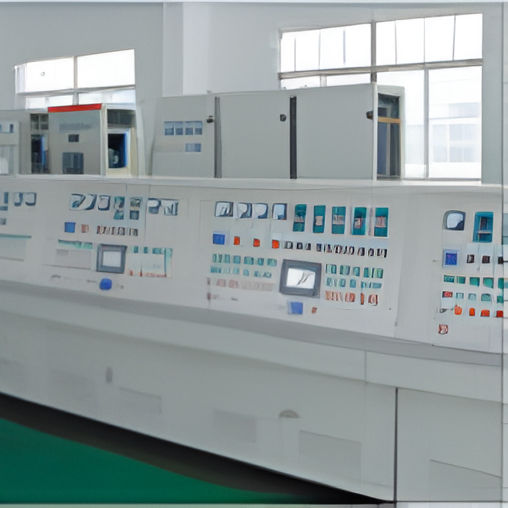
Process Control Room
High-Tower Granulation Production Line Techinical Parameters
Parameter | Value / Description |
Capacity | 5–30 tons per hour (limited by tower physics) |
Tower Height | 60 – 120 meters (key design factor) |
Prilling Temperature | 135°C – 160°C (Urea-based) |
Granule Solidification Time | 8 – 15 seconds (during free fall) |
Particle Size | 1.5 – 3.5 mm (very uniform) |
Sphericity | ≥ 0.9 (Near-perfect spheres) |
Cooling Method | Natural Draft or Forced Air Counter-current |
Automation Level | High (Critical temperature and flow control required) |
Key Construction Material | Stainless Steel 316L for melt contact parts, Carbon Steel for structure |
Raw Materials For High-Tower Granulation Production Line
-
Primary Nitrogen Source for Melt
Urea (most common) or Ammonium Nitrate (AN). These provide the molten carrier.
-
Solid Powder Additives
Finely ground Single Superphosphate (SSP), Muriate of Potash (MOP), Sulfate of Potash (SOP), Magnesium Sulfate, and fillers like Clay or Dolomite.
-
Conditioners & Additives
Formaldehyde (as a urease inhibitor for urea-based melts) or other conditioning agents to improve crystal structure and reduce caking.
-
Coating Agent
Minimal amount of specialty anti-caking oil/wax for final polishing.
High-Tower Granulation Production Process
Solid urea or ammonium nitrate is fed into a steam-jacketed melting tank and heated to form a clear, low-viscosity melt (135-160°C). Precise temperature control is critical to avoid degradation.
The hot melt is pumped into a heated slurry mixer. Precisely weighed amounts of other fine powder materials (P, K sources, fillers) are added and vigorously mixed to form a uniform, pumpable hot slurry. The slurry's density and viscosity are tightly controlled.
The hot slurry is pumped via high-pressure, positive displacement pumps through a fine filter to remove any impurities that could clog the prilling device. Insulated pipelines maintain the temperature as it travels to the top of the tower.
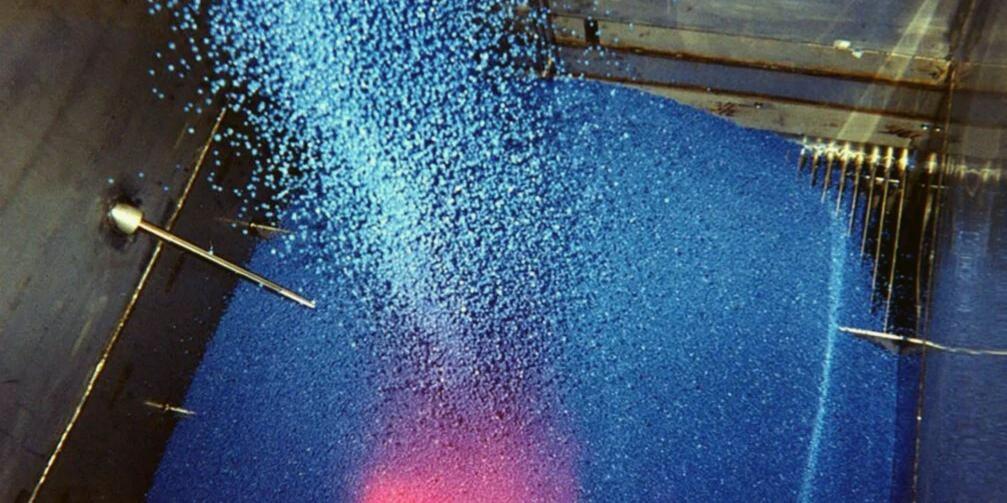
At the top of the tower, the slurry is precisely distributed to the prilling device—the core of our proprietary Tower Prilling System. This critical unit, comprising either a rotating prilling bucket or a set of precision-engineered high-pressure nozzles, breaks the slurry into thousands of uniform droplets, a process governed by advanced control logic. For detailed technical specifications on this core subsystem, please visit our [Granulator] equipment page.
The droplets fall freely through the height of the tower (60-120m). As they fall, they encounter an upward draft of cool air (natural or fan-forced). This cools the droplets, allowing them to solidify from the outside in, forming hard, spherical granules before hitting the bottom.
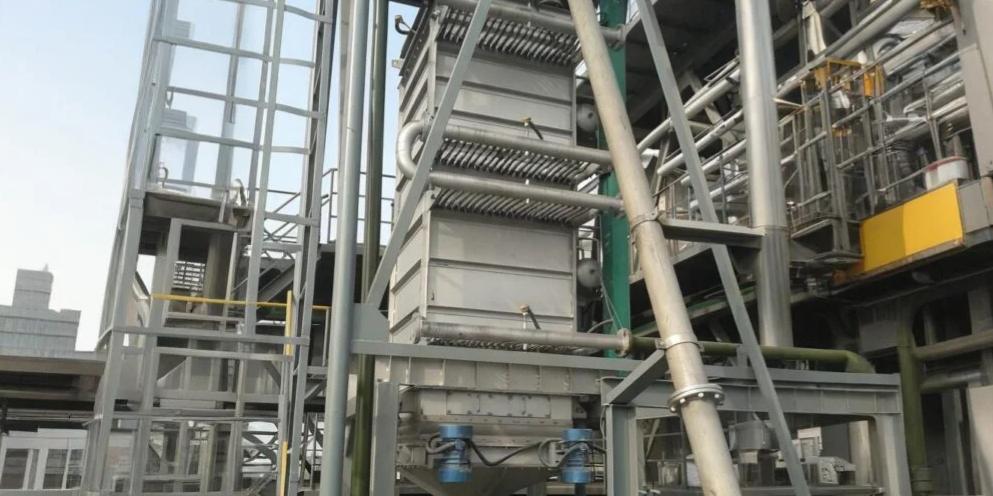
The solidified granules collect in the conical bottom of the tower and are discharged onto a conveyor. Residual heat is further removed.
Granules pass over a screen to remove any oversized lumps or fines (which can be recycled to the melting stage). The on-size, near-perfect spheres then receive a light coating in a polishing drum to enhance shine and anti-caking properties.
The finished, premium spherical granules are gently conveyed to an automated packaging line for bagging.
High-Tower Granulation Production Line
Advantages
Produces Premium Quality Granules
The prilling process creates perfectly spherical, smooth, and uniform-sized granules with high crushing strength and excellent appearance. This results in superior flowability, precise spreading, and high market value.
High Nutrient Concentration & Instant Solubility
Since the process starts with a melt, it allows for the production of fertilizers with very high nutrient content (e.g., 30-10-10, 17-17-17). The granules are highly water-soluble, providing rapid nutrient availability to crops, ideal for top-dressing and fertigation.
Energy Efficient & Low Dust Emission
The solidification relies primarily on natural cooling during free fall, minimizing active cooling energy. The enclosed tower design inherently contains dust and fumes, making it an environmentally cleaner process compared to some rotary drum operations.
Low Granule Degradation & High Yield
The process involves no mechanical agitation or tumbling of solid granules (unlike drum granulation), resulting in extremely low dust generation and a very high proportion of on-spec product directly from the tower.
Strong Brand Differentiation
A high-tower plant is a significant physical landmark and a powerful marketing tool, signaling technical capability and a commitment to producing top-tier fertilizer products, enhancing your brand’s reputation.