
Cyclone Dust Collector
The Robust and Efficient Primary Separator for Coarse Dust in Fertilizer Production
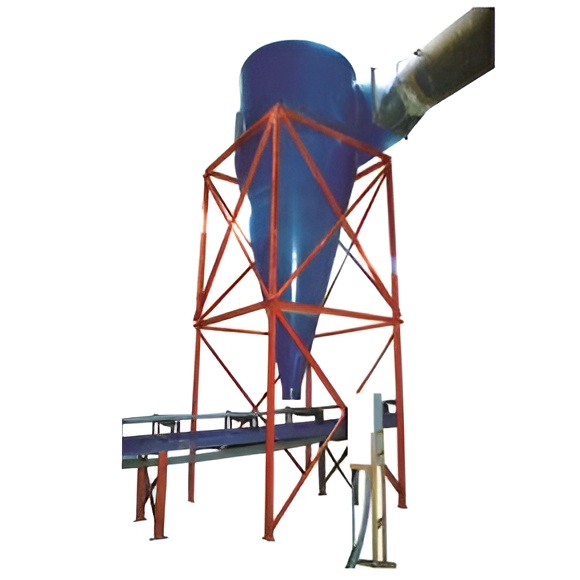
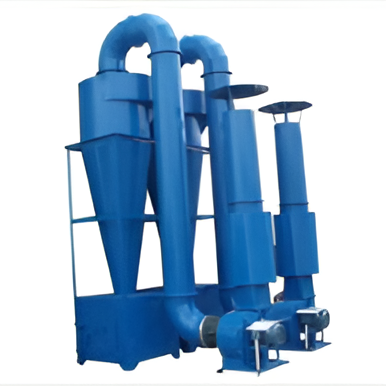
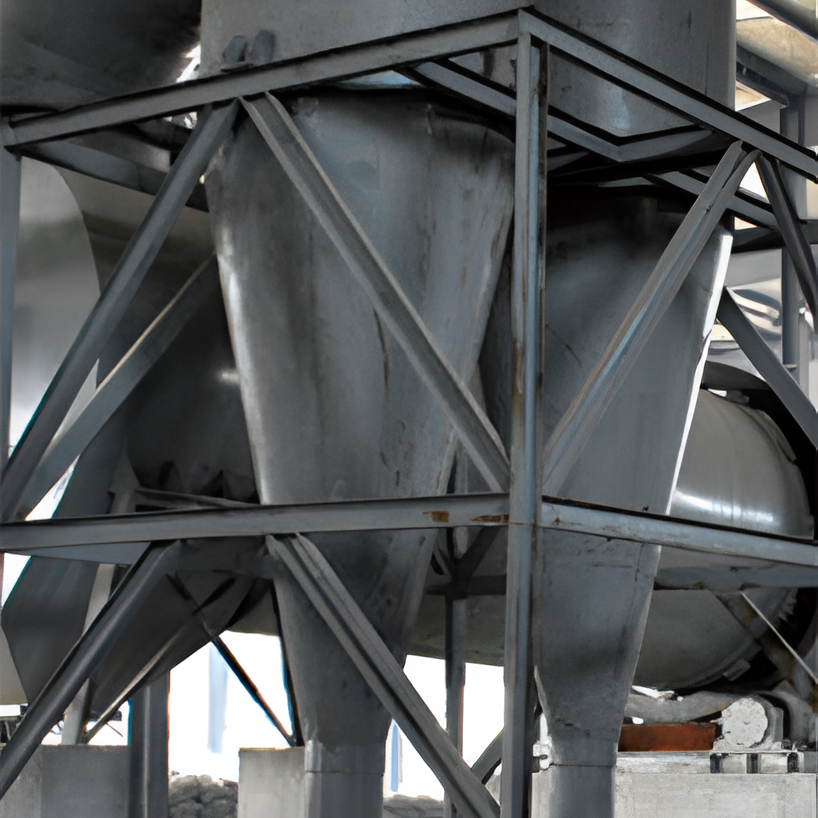
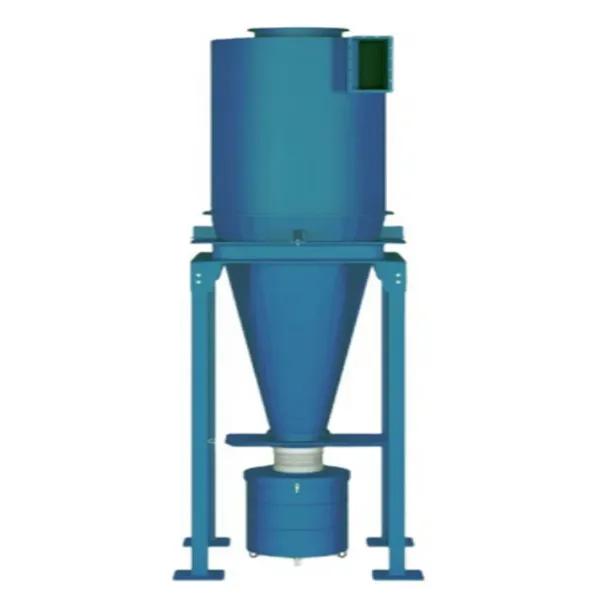
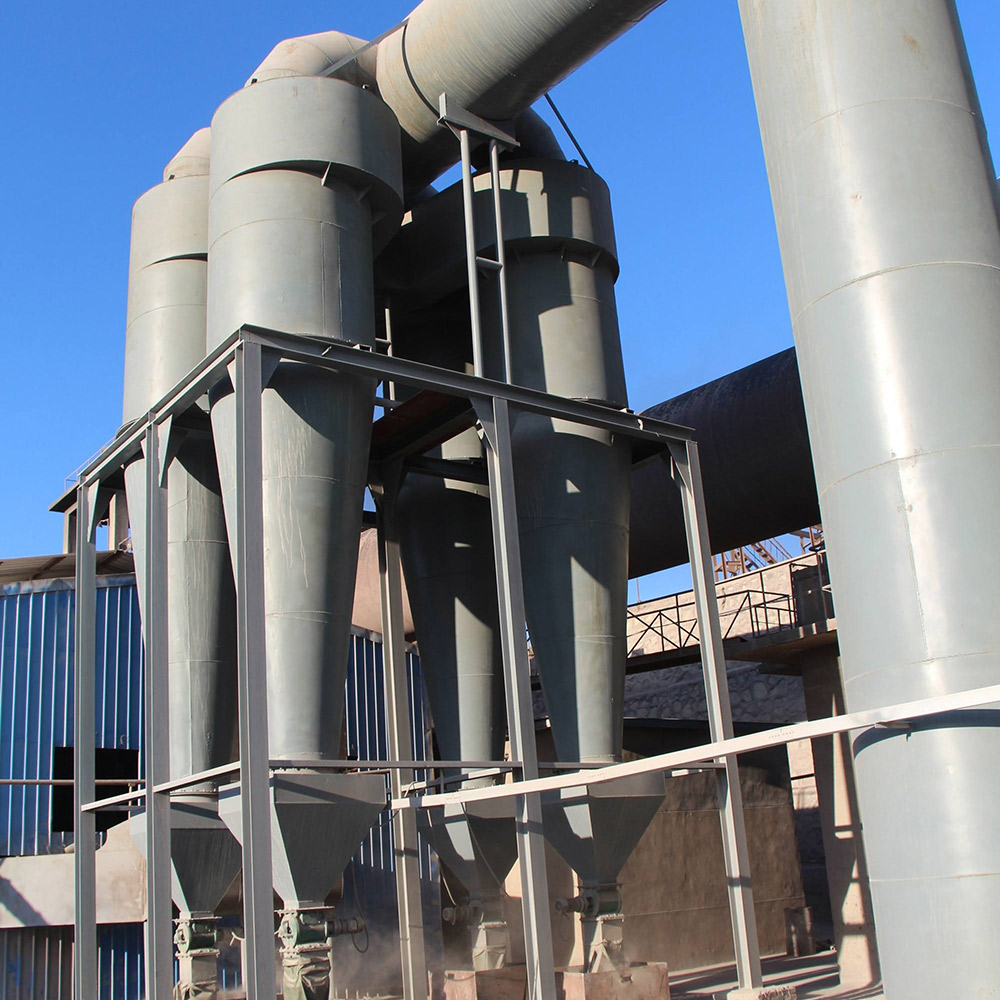
The Cyclone Dust Collector is a highly efficient, mechanical centrifugal separator designed as the first line of defense in dust control systems. It removes coarse and medium-sized particulate matter from process air streams by imparting a high-velocity vortex, forcing dust particles to the outer wall where they fall into a collection hopper. Renowned for its simplicity, reliability, and low maintenance, it is essential for protecting downstream equipment (like baghouses), recovering valuable product, and ensuring cleaner emissions in fertilizer processing plants.
Key Features

-
Centrifugal Separation Principle
Utilizes a tangential inlet to create a powerful downward vortex, separating dust particles from the air stream through inertia and gravity without any moving parts.
-
High-Efficiency Design
Engineered with precise diameter-to-height ratios and inlet configurations to maximize centrifugal force and separation efficiency for specific particle size ranges.
-
Abrasion-Resistant Construction
Critical wear areas, such as the inlet and cone section, can be lined with ceramic, basalt, or special wear plates to handle highly abrasive fertilizer dusts.
-
Low Pressure Drop
Optimized internal geometry minimizes airflow resistance, reducing the energy consumption of the system's main exhaust fan.
-
Standalone or Pre-Filter Unit
Can operate effectively as a primary collector for coarse dust or as a pre-cleaner ahead of more efficient final filters (e.g., bag filters), extending their life and reducing maintenance frequency.
Advantages
-
High Reliability & Zero Moving Parts
With no filters, bags, or motors within the separator itself, it offers exceptionally high uptime and requires minimal operational intervention.
-
Low Operational Cost
Has no consumables (like filter bags) and its energy cost is limited to the system's fan power, which it helps optimize by reducing the load on downstream filters.
-
Effective Product Recovery
Efficiently captures and returns valuable fertilizer granules and coarse dust to the process stream, minimizing product loss.
-
Durable & Low Maintenance
Robust construction and wear-resistant options ensure a long service life with infrequent maintenance needs, typically limited to inspection of wear liners.
-
Compact & Simple Integration
Easy to install in new or existing ductwork and requires minimal control systems.
Applicable Raw Materials (Dust Sources)
-
Raw Material Handling Dust
From the unloading, conveying, and crushing of phosphate rock, limestone, sulfur, and potash.
-
Granulation & Screening Dust
Fine particles generated during granulation, cooling, and screening of NPK, urea, and other compound fertilizers.
-
Drying & Cooling Process Dust
Entrained fines in exhaust air from rotary dryers and coolers.
-
Bagging & Loading Operations
Dust generated during the packaging and transfer of finished powdered or granular products.
-
General Plant Ventilation Dust
Airborne particulates from various process areas.
Basic Structure & Components
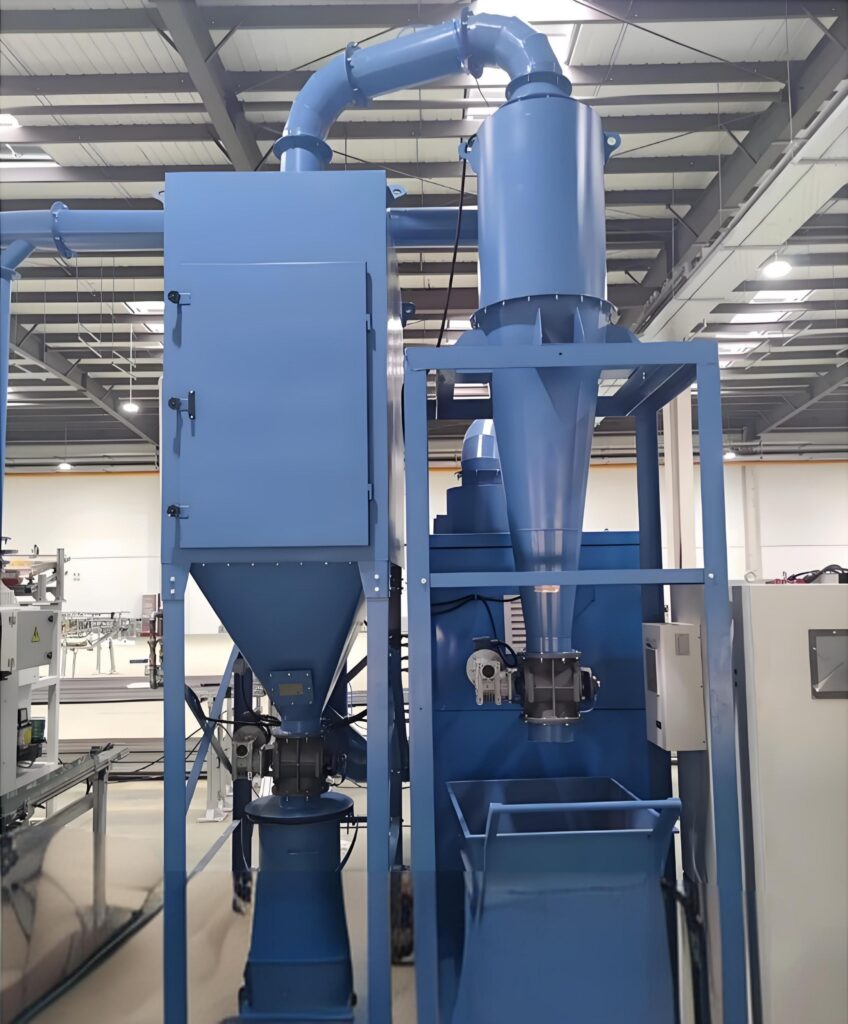
The entry point for the dust-laden air, designed to create a strong vortex upon entry.
The upper cylindrical section where the high-velocity vortex is established and primary separation occurs.
The tapered lower section that accelerates the vortex and directs separated dust particles downward into the collection hopper.
A central tube extending into the cyclone body, allowing the cleaned air to exit from the top while preventing short-circuiting of the vortex.
A storage bin at the base of the cone to collect the separated dust, typically equipped with a rotary airlock valve or double-flap discharge valve for continuous dust removal.
Legs or a frame to mount the cyclone at the required elevation.
For internal inspection, cleaning, and maintenance of wear liners.
Technical Data
Specification | Processing Capacity (m³/h) | Efficiency (%) |
CLKφ600 | 1967 | 94 |
CLKφ1200 | 6050 | 94 |
CLKφ1300 | 8020 | 94 |
CLKφ1500 | 10050 | 94 |
CLKφ1800 | 25000 | 94 |
CLKφ2000 | 35000 | 94 |
The above are basic parameters only. For modular configurations, please multiply by the corresponding factor. | ||
Key Differentiators vs. Other Dust Removal Systems
- vs. Bag Filter (Baghouse)
- vs. Wet Scrubber
- vs. Electrostatic Precipitator (ESP)
- vs. Cartridge Filter
- Overall Position
A Cyclone is a pre-separator or primary collector for coarse dust, efficient for particles >10µm. A Bag Filter is a final filter that captures sub-micron particles with >99.9% efficiency. They are often used in series, with the cyclone protecting the more expensive baghouse from abrasive, high-dust-load streams.
A Cyclone is a dry collection device, recovering dust as a reusable dry powder. A Wet Scrubber uses liquid to capture dust, creating a slurry or wastewater that requires further treatment. Cyclones have lower operating costs and no water usage but cannot capture gaseous pollutants or very fine, sticky mists.
An ESP is highly efficient for very fine particles but has high capital and operational complexity. A Cyclone is a simple, low-cost, low-maintenance mechanical device best suited for coarser dusts as a primary stage or where ultra-high efficiency is not the sole requirement.
Similar to a baghouse but with pleated filters. A Cyclone serves as a crucial pre-filter to a cartridge system, dramatically reducing the dust load on the cartridges, extending their life, and preventing premature clogging in high-dust environments like fertilizer plants.
It is the fundamental, cost-effective, and indispensable first stage in most industrial dust collection systems, prized for its ability to handle high dust loads, protect sensitive final filters, and recover valuable product with minimal operational expense.