
Extrusion Granulator
The Efficient Solution for High-Density, Low-Dust Granules from Dry Powders
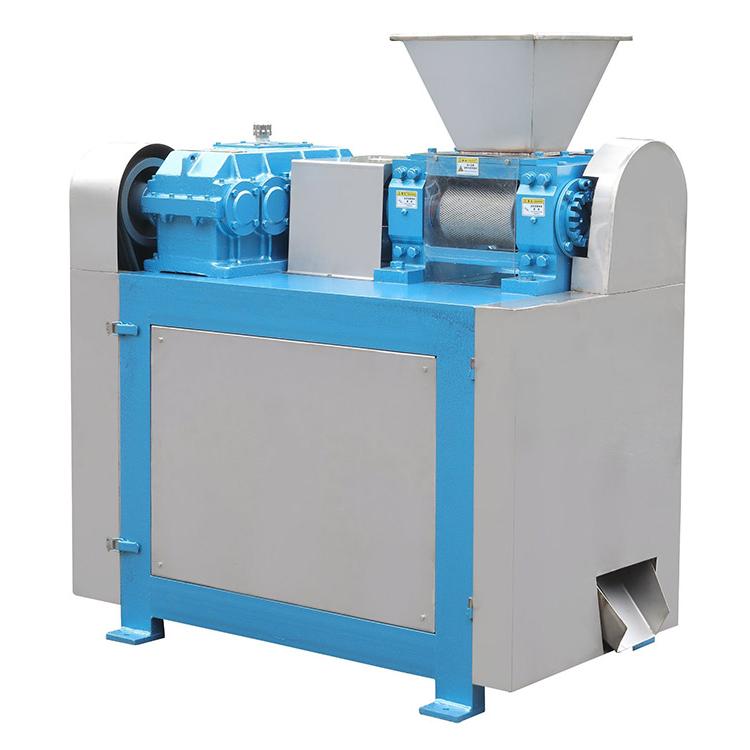
The Extrusion Granulator is a mechanical, cold-processing system that transforms dry, finely powdered raw materials into uniform, cylindrical pellets through high-pressure compaction. Operating without the need for heat or liquid binders, it is the most energy-efficient choice for producing dense, low-moisture granules with minimal dust, ideal for moisture-sensitive materials and compact production lines.
Key Features
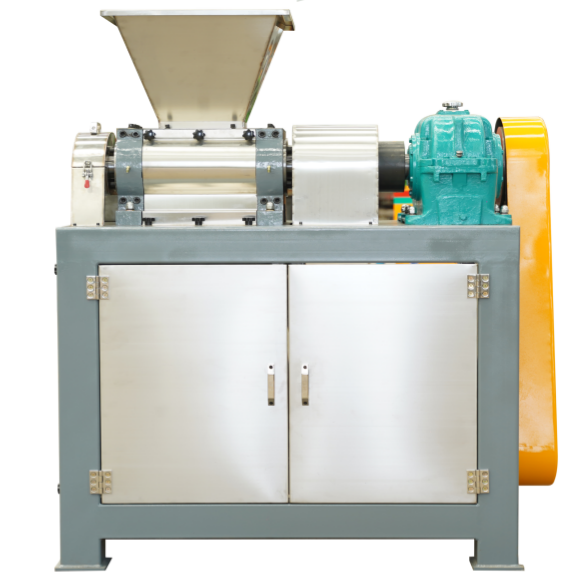
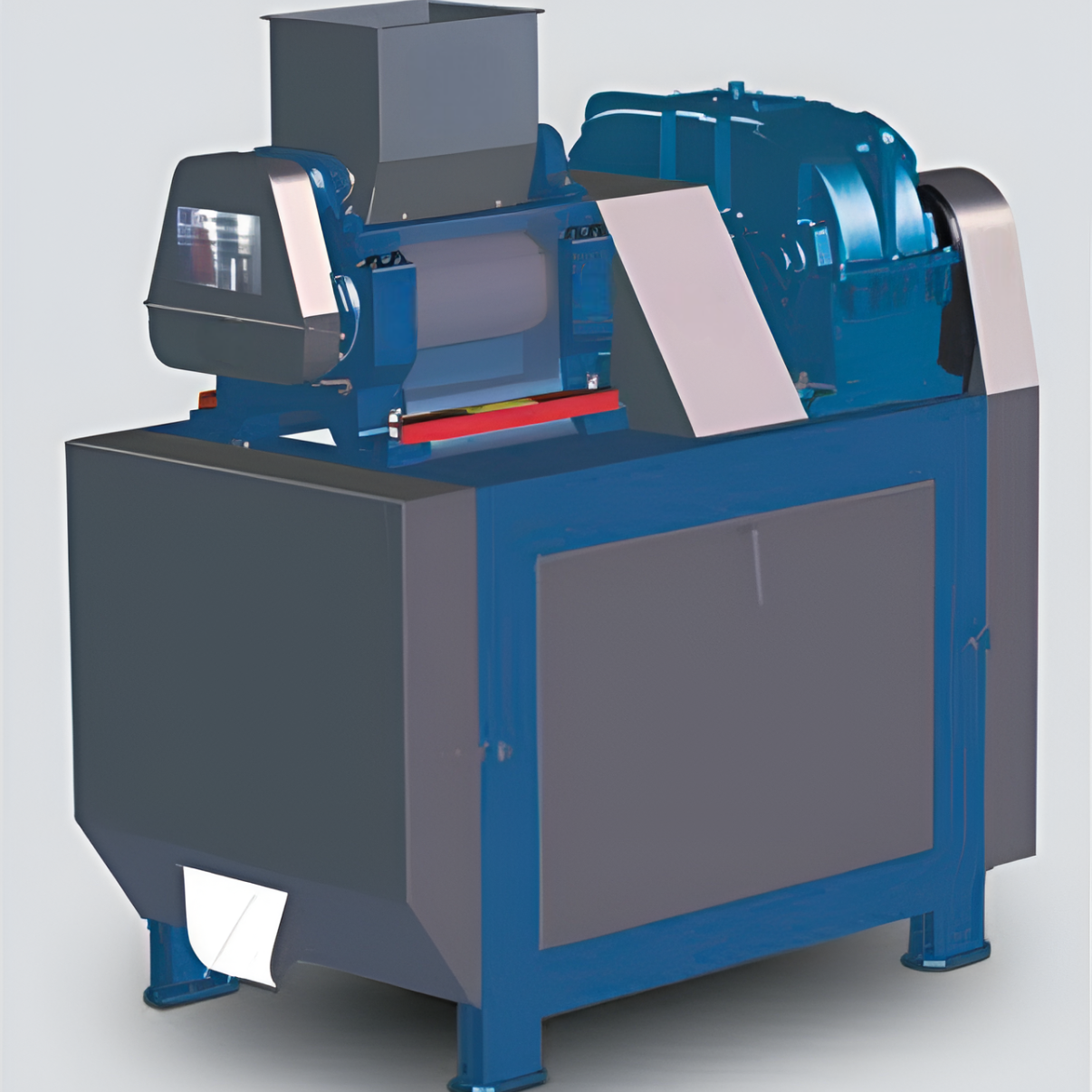
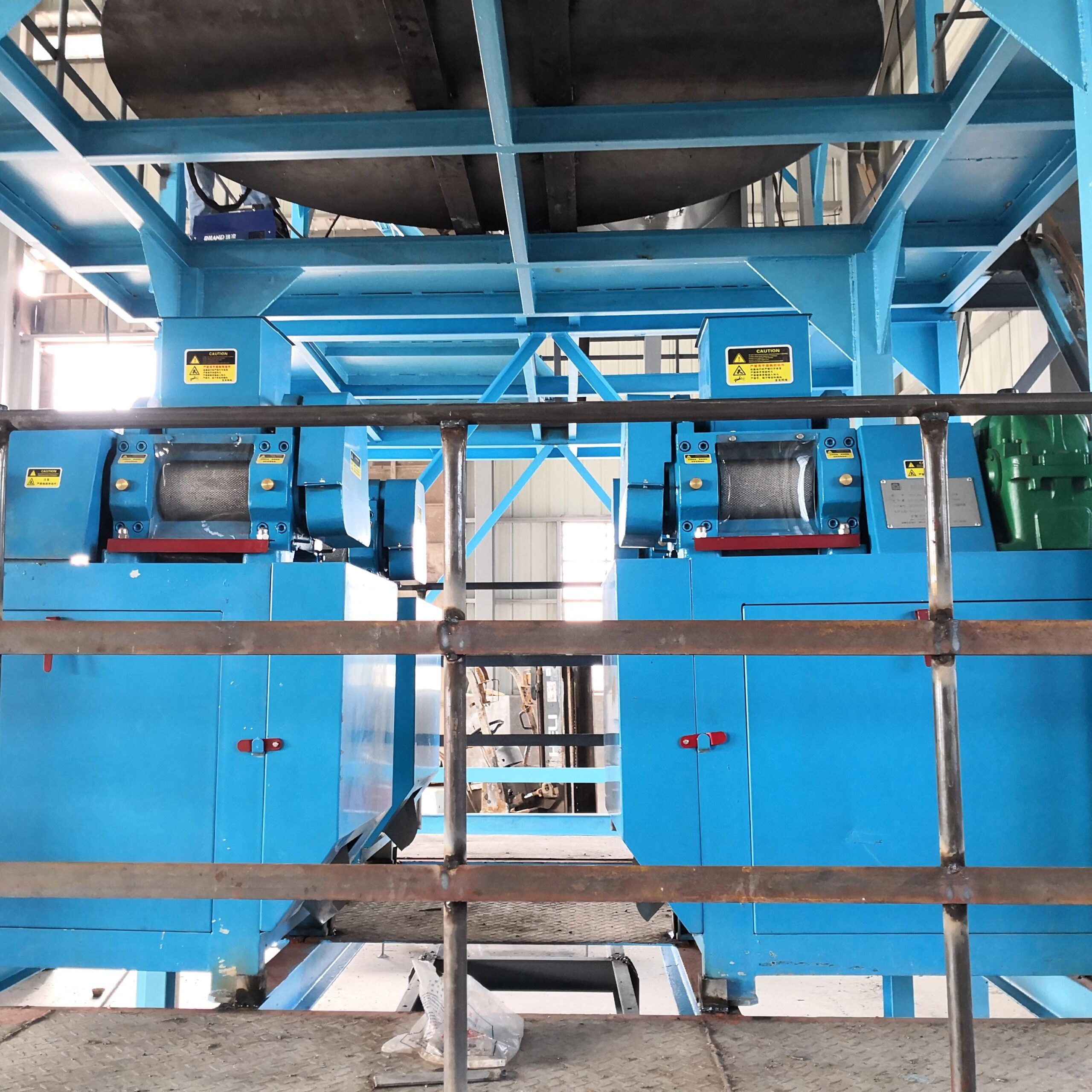

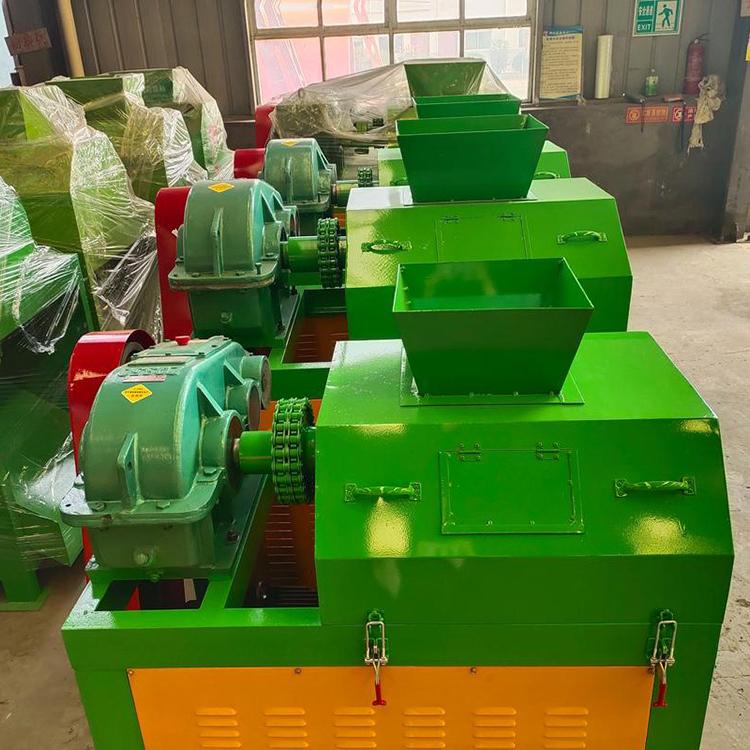
-
High-Pressure Compaction
Utilizes a powerful mechanical press to force dry powder through a die, creating granules through physical compression.
-
Cold Process Operation
No external heat or drying stage is required, preserving heat-sensitive nutrients and reducing energy consumption.
-
Cutter Assembly
A high-speed rotating knife precisely cuts the extruded material strands into uniform-length pellets.
-
Twin-Roller Design (Common)
Features two synchronized, counter-rotating rollers with matching die pockets to ensure consistent pressure and pellet formation.
-
Low Moisture Requirement
Designed for materials with very low or zero moisture content (typically below 5%).
Advantages
-
Exceptional Energy Efficiency
The lowest specific energy consumption among all granulation methods due to the absence of drying/cooling stages.
-
Superior Granule Density
Produces extremely hard and dense pellets with excellent structural integrity, reducing breakage and dust during handling and transport.
-
Minimal Post-Processing
Granules are formed at near-final moisture content, often eliminating the need for subsequent drying.
-
Compact Footprint
The machine design is straightforward and requires less space compared to rotary or disc systems.
-
Wide Chemical Compatibility
Suitable for a broad range of materials, including corrosive salts, without risk of damaging liquid systems.
Applicable Raw Materials
-
Dry Mineral Powders
Potassium chloride (MOP), potassium sulfate (SOP), ammonium sulfate, single superphosphate (SSP).
-
Compound Fertilizer Mixes
Blended NPK powders that are finely ground and dry.
-
Organic & Biological Powders
Dry manure, powdered algae, spent mushroom substrate (with adjusted moisture).
-
Industrial & Chemical Powders
Desiccants, catalysts, ceramic powders, and various chemical salts.
-
Limestone & Dolomite Powder
For soil amendment pellets.
Basic Structure & Components
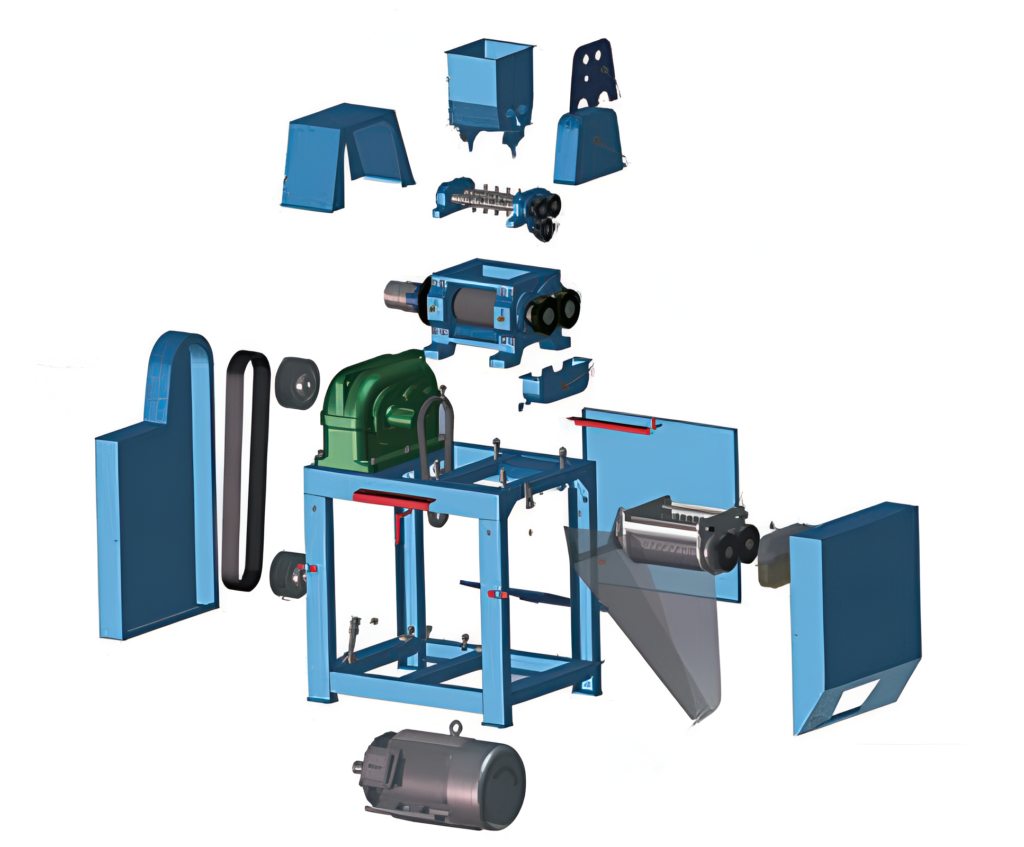
Stores and uniformly delivers dry powder to the compaction zone.
A small mixer may be included to add minimal moisture or binder if required.
The core component, consisting of one or two heavy-duty rollers and a perforated die plate or ring die.
Provides high torque to the rollers to generate the necessary compaction pressure.
Positioned at the die outlet, equipped with adjustable knives to cut extruded strands to precise lengths.
Guides the freshly cut pellets out of the machine.
Applies and controls the force on the rollers.
Robust frame supporting all components with a safety guard.
Technical Data
Type | ZYJ-L200 | ZYJ-L201 | ZYJ-L300 |
Speed (r/min) | 74 | 74 | 72 |
Particle size (mm) | ψ3-ψ8 | ψ3-ψ8 | ψ3-ψ8 |
Motor power (kW) | 15 | 15 | 30 |
Production capacity (t/h) | 1-1.5 | 1-1.5 | 1.8-2.5 |
Dimensions (mm) | 1185x636x1456 | 1185x636x1456 | 1410x765x1570 |
Machine weight (kg) | 740 | 740 | 1060 |
Key Differentiators vs. Other Granulators
- vs. Spray Rotary & Rotary Drum Granulators
- vs. Disc Granulator
- vs. Gear Shaping Granulator
- General Advantage
A true “dry” process for powders, requiring no slurry or moisture addition for granulation, whereas the others are wet agglomeration processes. Produces sharp-edged cylindrical pellets vs. spherical granules.
Relies on high mechanical pressure rather than rotational tumbling and liquid binding. It is more suitable for completely dry raw materials and yields a very different pellet shape and density.
Also uses pressure but is designed for wet/sticky materials to form specific shapes. The extrusion granulator is for dry powders and forms simple cylindrical pellets via a die, not intermeshing gears.
Uniquely delivers the hardest, most transport-resistant pellets with the lowest process energy requirements, making it ideal for specific material properties and cost-sensitive operations.