
Ball Mill
The Versatile and Reliable Workhorse for Fine Grinding of Hard Minerals and Raw Materials
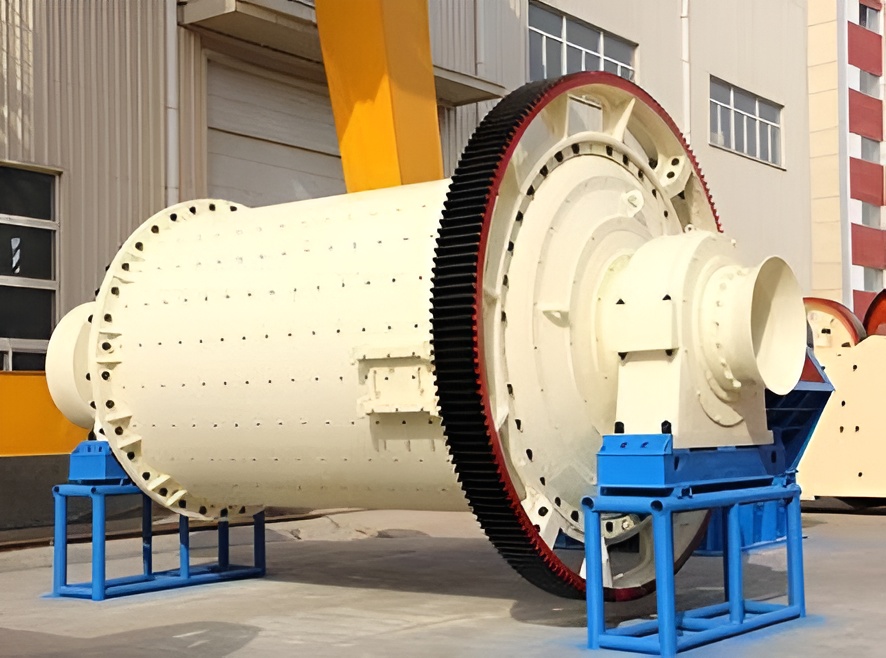
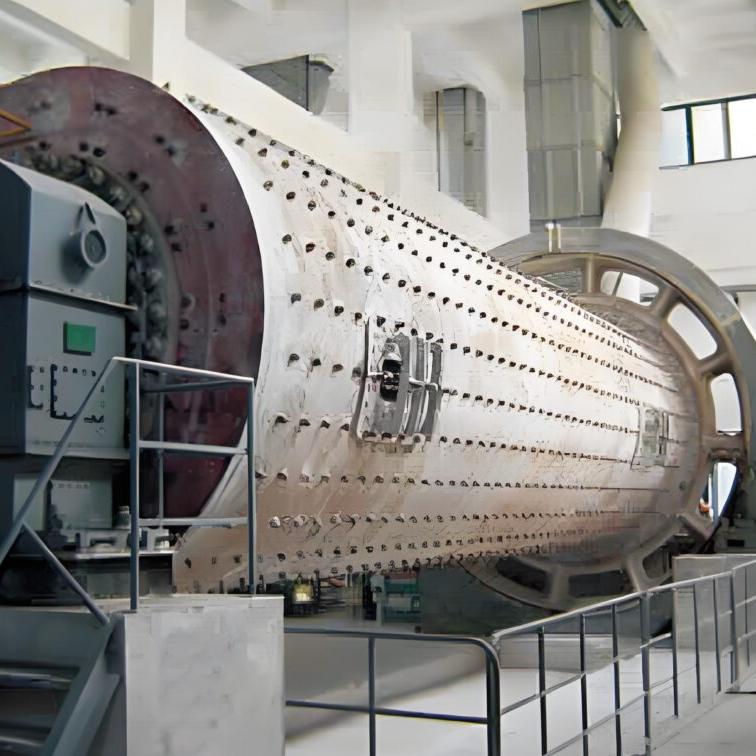
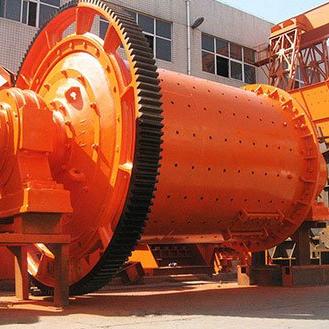
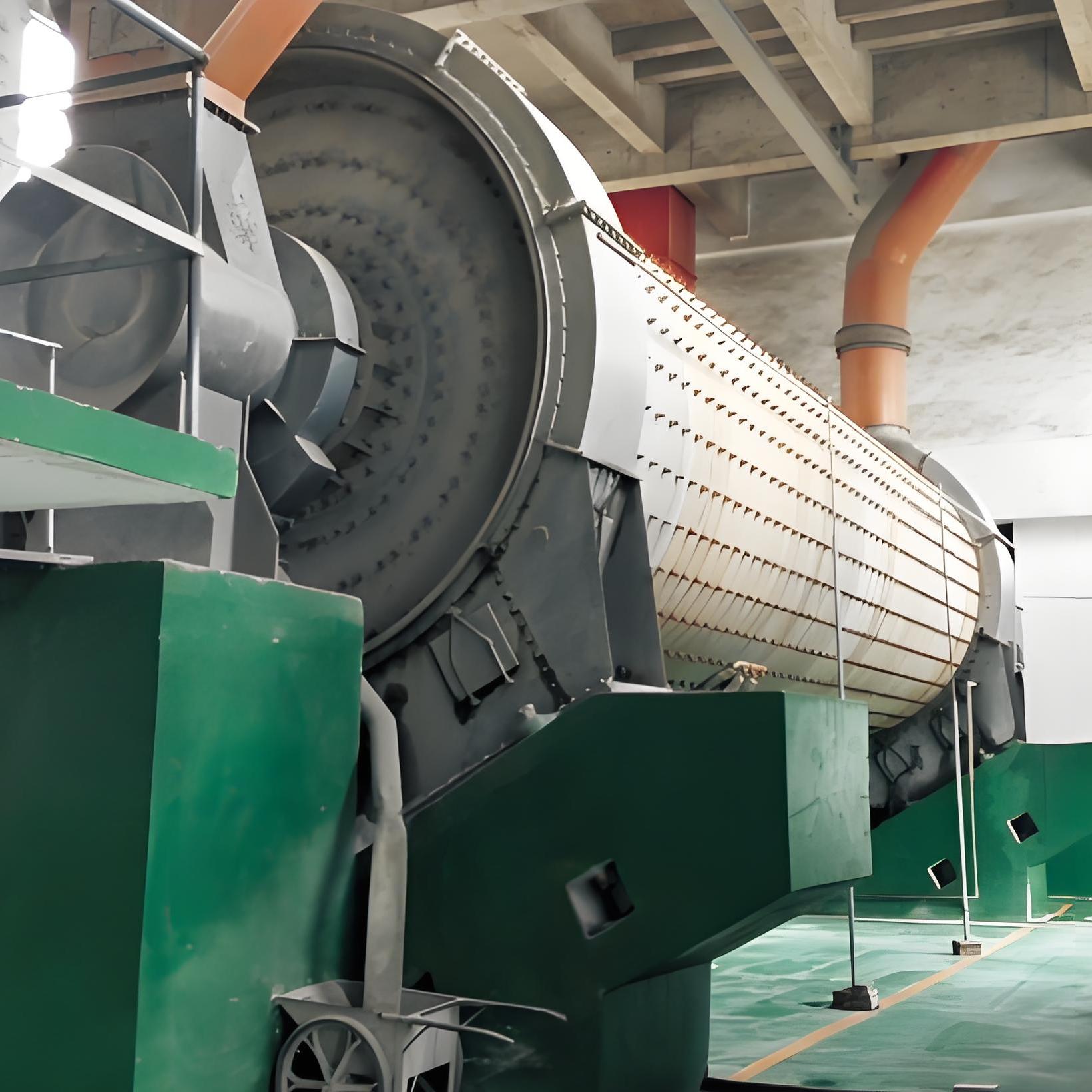
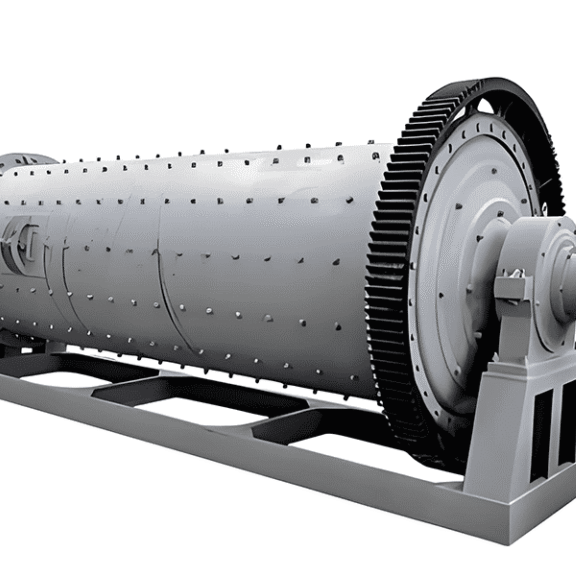
The Ball Mill is a robust, cylindrical grinding machine that reduces medium-hard to hard materials into fine powders through the impact and attrition of grinding media—typically high-chromium or manganese steel balls. Operating in either dry or wet mode, it is a fundamental piece of equipment for raw material preparation in fertilizer and mineral processing, capable of achieving a consistent and controlled particle size distribution essential for downstream chemical reactivity and blending.
Key Features
-
Grinding Media Action
Utilizes the cascading and cataracting motion of steel balls within a rotating cylinder to crush and grind material through impact and friction.
-
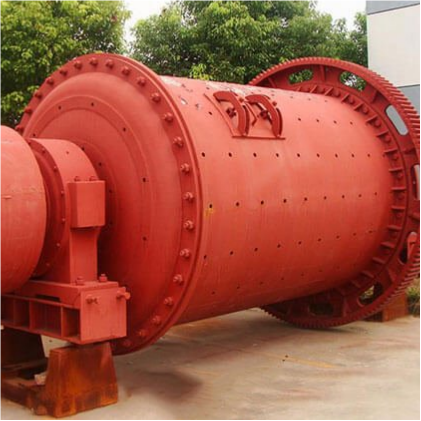
Robust Cylindrical Shell
Constructed from rolled steel plate with bolted-on wear-resistant liners (e.g., manganese steel, rubber, or ceramic) to protect the shell and optimize grinding efficiency.
-
Dry & Wet Process Compatibility
Can be designed for efficient dry grinding or for producing slurries, offering flexibility for different process flows.
-
Adaptable Discharge Systems
Features various discharge designs including overflow, grate (diaphragm), and peripheral discharge to suit different product fineness and capacity requirements.
-
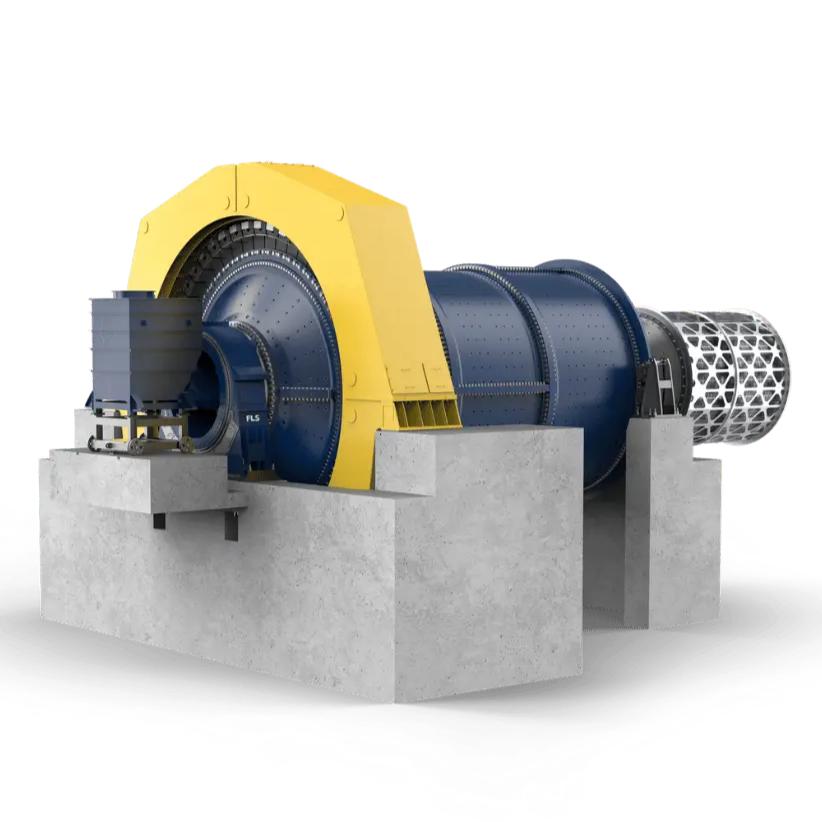
Drive & Support System
Powered by a girth gear and pinion drive or central drive, supported by sturdy trunnion bearings or sliding shoes for smooth operation under heavy loads.
Advantages
-
Proven Reliability & Simplicity
A time-tested design with well-understood operation and maintenance principles, ensuring high availability and long service life.
-
Excellent Product Fineness Control
Capable of producing a wide range of product sizes, from coarse grinds to very fine powders, by controlling mill speed, media size, and retention time.
-
Wide Material Compatibility
Effectively grinds a vast array of abrasive and hard materials common in industrial mineral processing.
-
High Capacity & Scalability
Available in a wide range of sizes, from small pilot mills to very large industrial units processing hundreds of tons per hour.
-
Strong After-Sales Support
As a standard technology, spare parts like liners and grinding media are widely available from multiple sources.
Applicable Raw Materials
-
Fertilizer Raw Materials
Phosphate rock, potash ores (sylvinite), limestone, and sulfur
-
Industrial Minerals
Feldspar, quartz, clay, ores, and various metallic/non-metallic minerals
-
Cement & Clinker
For inter-grinding with gypsum (though dedicated Cement Mills are optimized for this)
-
Coal
For pulverization prior to combustion or gasification (though Air-Swept Mills are more efficient)
-
Recycled & Byproduct Materials
Slags, fly ash, and other industrial wastes requiring size reduction
Basic Structure & Components
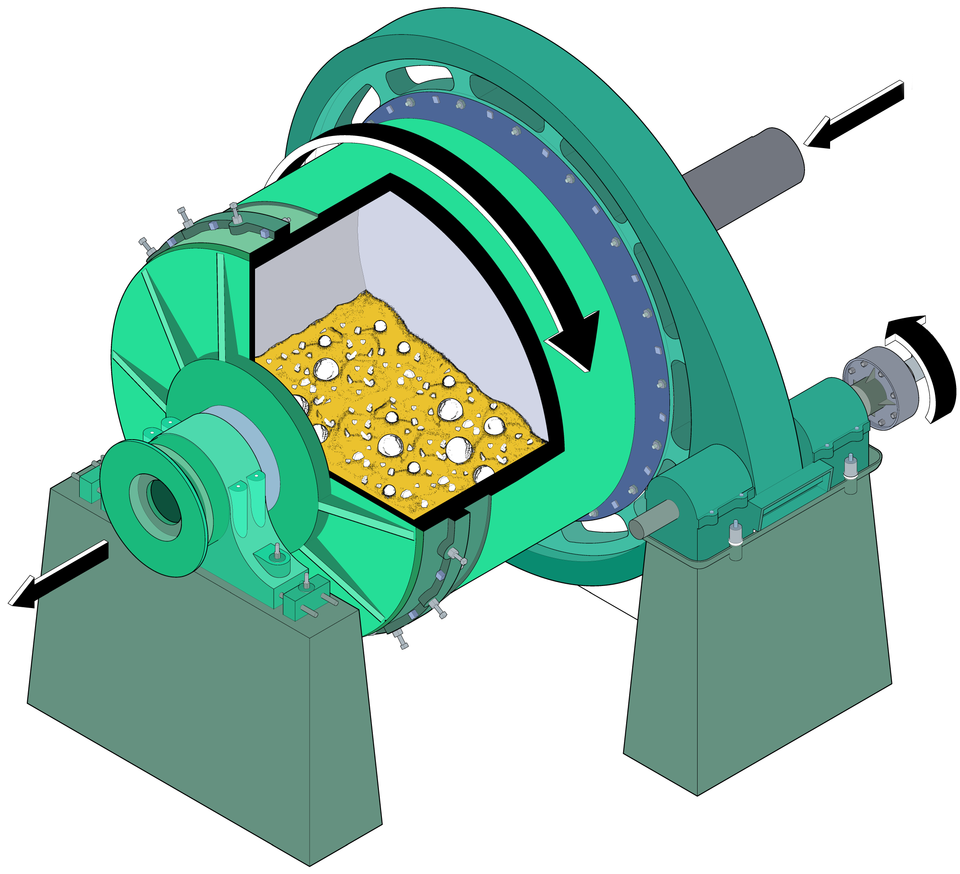
The main rotating body, lined with replaceable wear plates.
Bolted onto the inner shell to protect it and lift the grinding media. Types include wave, step, and rubber liners.
Steel balls (forged or cast) of varying diameters, the consumable that performs the grinding action.
Stationary end-caps that house the material inlet and outlet trunnions or openings.
Large bearings that support the weight of the mill and allow it to rotate.
Consisting of a main motor, reducer, and a girth gear bolted to the mill shell (or a central drive system).
A partition with slots that retains grinding media while allowing ground material to pass through to the discharge compartment.
Technical Data
| Specification (Diameter × Length) |
Speed (rpm) |
Loading capacity (t) |
Volume (m³) |
Motor power (kw) |
With water jacket cooling |
| 0.9×1.8 | 39 | 2 | 1.14 | 18.5 | |
| 1.2×2.0 | 32 | 4 | 2.26 | 37 | |
| 1.5×3.0 | 29 | 10 | 5.3 | 95 | |
| 1.8×4.0 | 24.1 | 20 | 10.2 | 180 | |
| 2.2×4.0 | 21.5 | 26 | 15.2 | 250 | |
| 2.4×8.0 | 21.6 | 40 | 36.2 | 475 |
Key Differentiators vs. Other Crushers
- vs. Tube Mill
- vs. Chain Mill
- vs. Air-Swept Coal Mill
- vs. Vertical Roller Mill (VRM)
- Overall Position
A Ball Mill typically has a shorter length-to-diameter (L/D) ratio, making it suitable for a wider range of product fineness, including coarser grinds. Tube Mills have a much higher L/D ratio for ultra-fine grinding and longer material retention.
A Ball Mill grinds through impact/attrition of dense media in a tumbling bed for hard, abrasive minerals. A Chain Mill uses high-speed chains for impact crushing of brittle, low-density, fibrous organic materials—they serve entirely different material niches.
A Ball Mill is a general-purpose grinder. An Air-Swept Mill is a specialized system integrating grinding, drying, and pneumatic conveying using hot air, designed specifically for coal and similar fuels.
A Ball Mill is a horizontal, media-based tumbling mill. VRMs use rollers to compress and shear a bed of material on a rotating table, often offering higher energy efficiency for fine grinding but with different operational and maintenance profiles.
It is the most versatile, widely adopted, and mechanically straightforward solution for the fine grinding of medium-hard to hard mineral-based materials in fertilizer and related industries, valued for its reliability and wide operational window.