
Two-Stage Crusher (Screenless)
The High-Efficiency, Clog-Resistant Solution for Complex Material Size Reduction
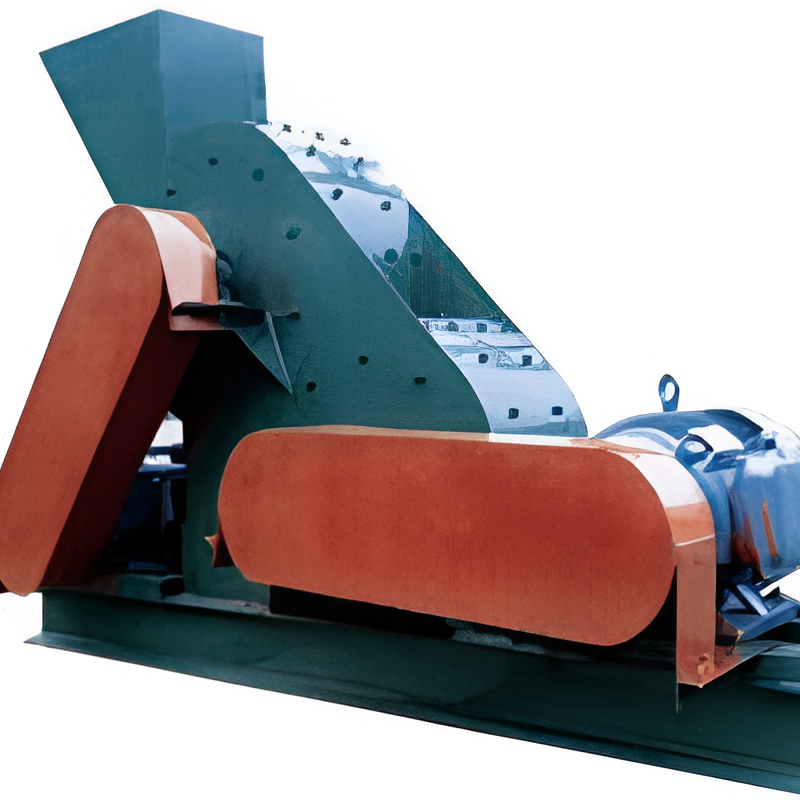
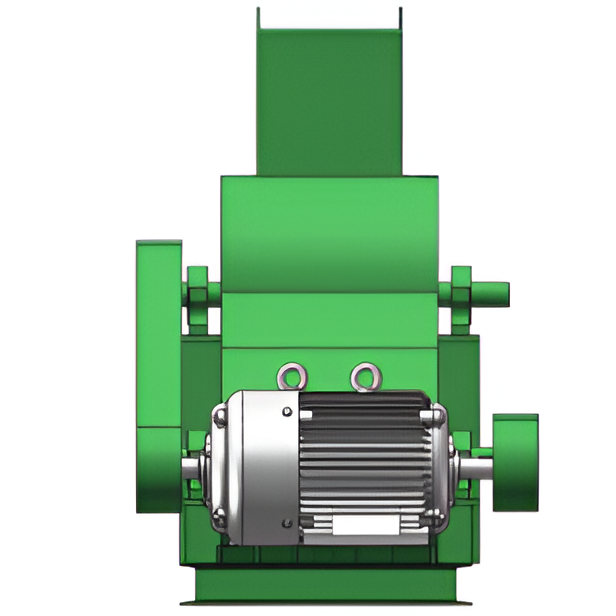
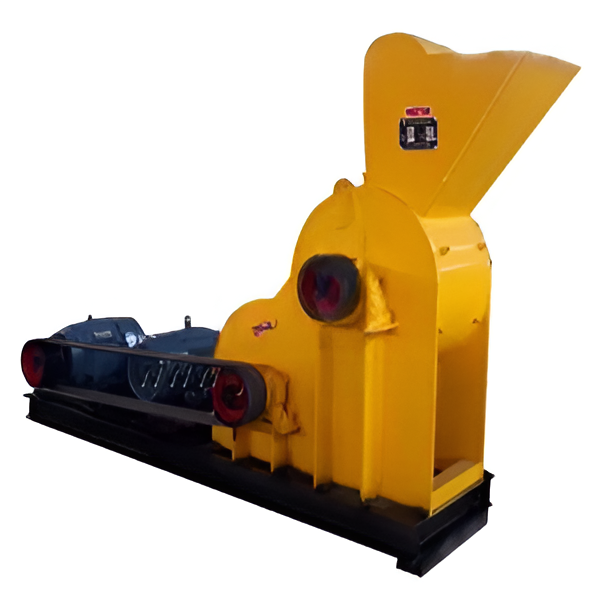
The Two-Stage Crusher is an innovative, screenless crushing system that integrates two distinct size reduction mechanisms within a single, compact housing. Designed to handle challenging materials that are prone to clogging or require multi-stage processing, it efficiently breaks down lumpy, fibrous, or sticky substances—such as organic fertilizers and compound NPK blends—in a continuous, single-pass operation, eliminating the need for intermediate screening and conveyors.
Key Features

-
Integrated Two-Stage Design
Combines two different crushing mechanisms (typically a primary hammering or shredding stage followed by a secondary fine-breaking stage) in sequence within one machine.
-
Screenless Operation
Eliminates the use of discharge grates or screens, which are common clogging points. Material size is controlled by the design of the crushing chambers and the speed of the rotors, ensuring smooth operation with moist or fibrous feed.
-
Continuous, Single-Pass Processing
Material is progressively reduced in size as it moves through the two stages, allowing for high throughput without the need for external recycling loops.
-
Heavy-Duty, Tolerant Design
Built to withstand foreign materials and variable feed conditions with lower risk of jamming compared to single-stage, screen-dependent crushers.
-
Compact Footprint
Combining two stages into one unit saves significant floor space compared to installing two separate crushers.
Advantages
-
Superior Clog Resistance
The absence of screens makes it ideal for crushing moist, sticky, or fibrous materials (like organic compost or certain compound fertilizers) that would rapidly blind a traditional hammer mill.
-
High Efficiency with Complex Materials
The two-stage action is specifically effective on materials with heterogeneous composition, ensuring both coarse and fine components are adequately reduced.
-
Lower Maintenance Downtime
Reduced risk of blockages and fewer wear-prone components (like screens) lead to more stable operation and less frequent interventions.
-
Excellent Particle Size Control
Despite having no screen, the cascading two-stage action can produce a well-graded, consistent product suitable for granulation feed.
-
Energy Efficient Design
Achieving size reduction in one integrated pass can be more energy-efficient than running two separate machines.
Applicable Raw Materials
-
Organic Fertilizers
Lumpy compost, manure cakes, biogas residue, and other fibrous organic inputs
-
Compound Fertilizer (NPK) Lumps
Oversized or hardened granules, production scrap, and off-spec material for recycling
-
Materials with High Moisture Content
Slightly damp salts, filter cakes, and recycled materials that are not suitable for dry crushing.
-
Mixed Waste Streams
Materials containing both hard and soft components
Basic Structure & Components
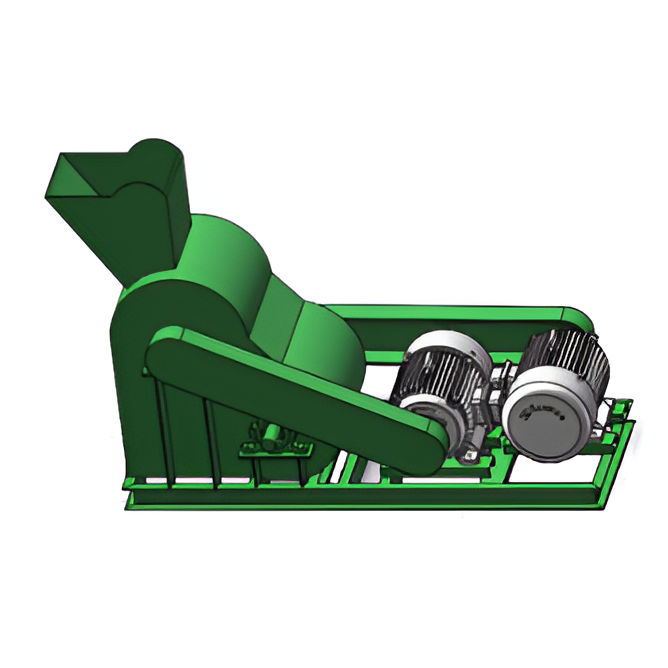
A single, robust enclosure that contains both crushing stages.
The first rotor, often equipped with heavy hammers or teeth, designed for coarse shredding and initial break-down.
The second rotor, typically featuring finer teeth, hammers, or a different configuration, for final size reduction.
One or two motors powering the rotors, often through a gearbox or belt system to achieve optimal speeds for each stage.
Directs material into the primary crushing chamber.
Guides material from the first stage to the second stage efficiently.
Positioned at the end of the second stage for final product exit.
For maintenance and inspection of both stages.
Technical Data
| Parameter | Model TSC-600 | Model TSC-800 | Model TSC-1000 |
| Rotor Diameter (Primary/Secondary, mm) | 600 / 500 | 800 / 650 | 1000 / 800 |
| Feed Opening (mm) | 400 x 400 | 500 x 500 | 600 x 550 |
| Max Feed Size (mm) | 200 | 250 | 300 |
| Final Product Size (mm, typical) | < 5 – 10 | < 5 – 10 | < 5 – 10 |
| Capacity (t/h, for organic fertilizer) | 3-8 | 8-15 | 15 – 25 |
| Total Power (kW) | 30 – 45 | 55 – 75 | 90 – 132 |
| Weight (kg, approx.) | ~3500 | ~6000 | ~9500 |
| Note: Capacity and product size are highly dependent on material characteristics (especially moisture and fiber content). All specifications are for reference and subject to engineering customization. | |||
Key Differentiators vs. Other Crushers
- vs. Single-Stage Hammer/Cage Crusher
- vs. Semi-Wet Material Crusher
- vs. Jaw Crusher
- vs. Chain Crusher
- Overall Position
The fundamental advantage is clog resistance and suitability for complex materials. A traditional hammer mill with a discharge grate will blind with sticky/organic feed, whereas the Two-Stage Screenless Crusher handles it continuously. It is a purpose-built solution for problem materials rather than a general-purpose crusher.
While both handle moist materials, the Two-Stage Crusher employs a different mechanical principle (two-stage impact/tearing) and is often used for larger lump sizes and higher capacities. The Semi-Wet Crusher is specifically designed with unique shafts/blades to cut and extrude pasty materials.
Serves a completely different stage in the process. A Jaw Crusher is for primary, coarse crushing of very hard rock. The Two-Stage Crusher is a secondary/tertiary crusher for softer, but more problematic, agglomerated or organic materials.
Both can handle organic materials. The Two-Stage Crusher generally offers higher capacity and more positive feeding for lumpy materials, while the Chain Crusher excels at lightweight, brittle, and dry fibrous materials with potentially lower energy consumption.
It is the specialized, high-efficiency choice for fertilizer producers dealing with significant volumes of organic materials, sticky compound fertilizer recycling, or any feedstock where clogging is a primary concern with conventional crushing equipment.