
Jaw Crusher
The Heavy-Duty Primary Crusher for Reducing Large, Hard, and Abrasive Raw Materials
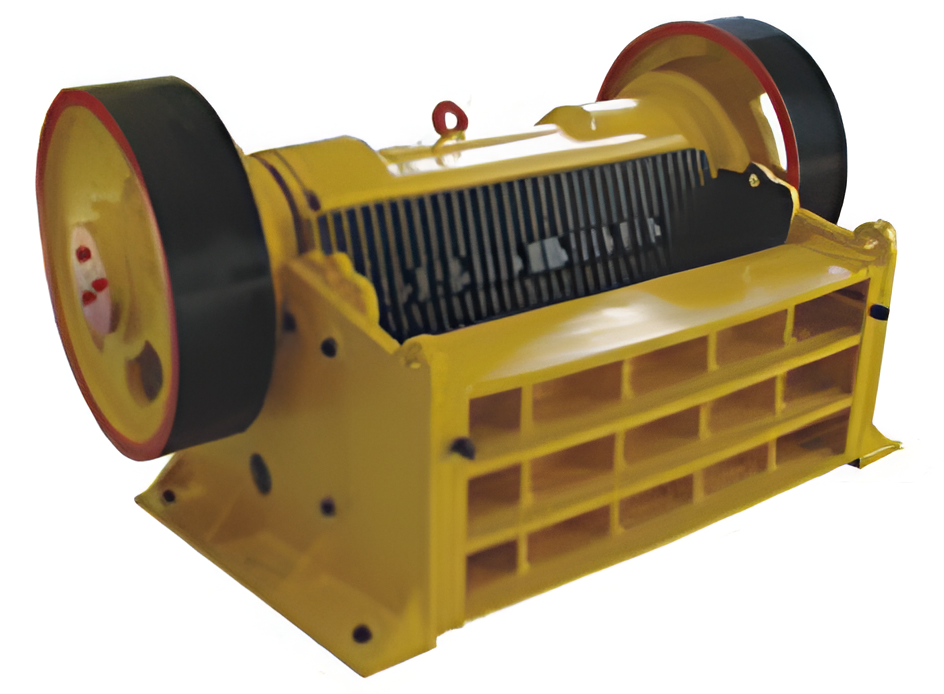
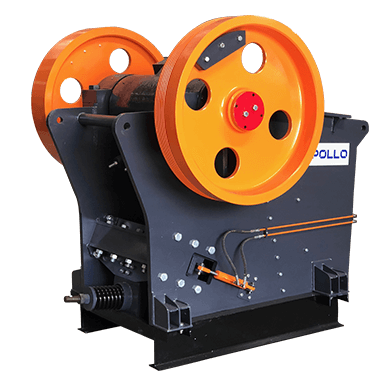
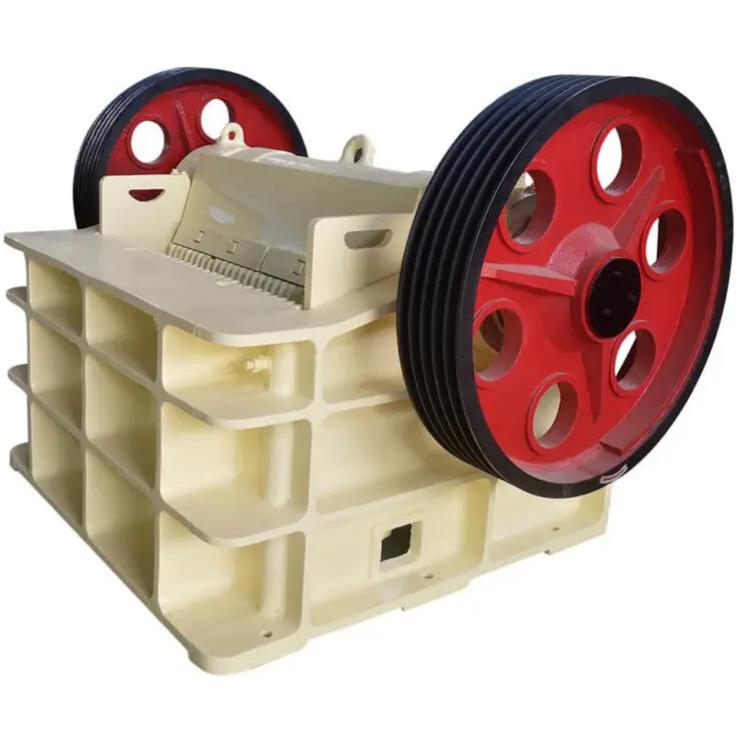
The Jaw Crusher is the foundational machine for primary size reduction in mineral and fertilizer processing plants. It employs two robust, opposing manganese steel jaws—one stationary and one moving in an elliptical motion—to compress and fracture large lumps of hard, abrasive raw material into smaller, manageable pieces. Renowned for its extreme durability and simplicity, it is the essential first step in preparing materials like phosphate rock, granite, and other mined minerals for further processing.
Key Features
-
Robust Jaw Design
Features a fixed jaw and a movable jaw, both lined with replaceable, wear-resistant manganese steel plates (jaw dies) that are the primary crushing surfaces.
-
Eccentric Shaft & Toggle Mechanism
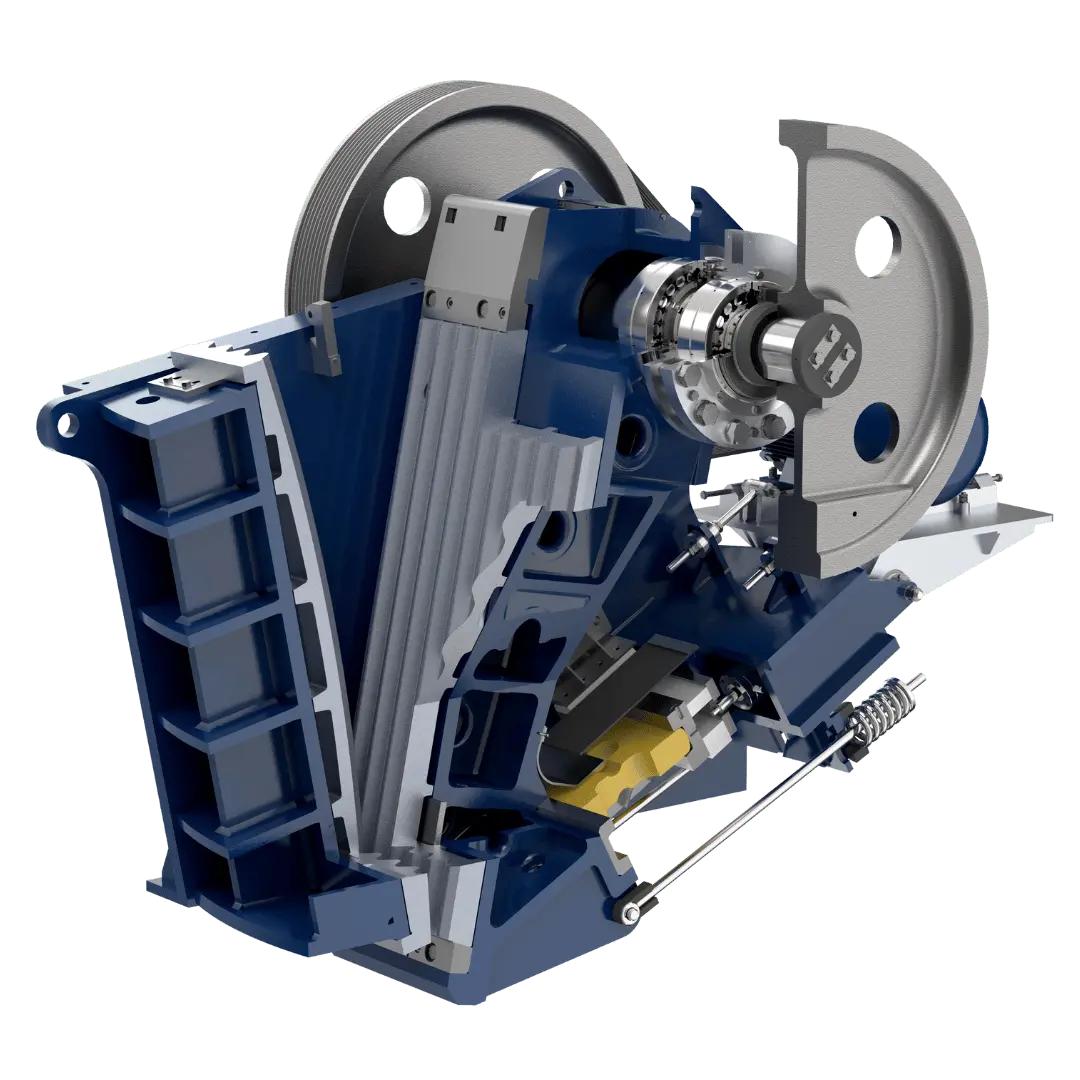
A heavy-duty eccentric shaft drives the movable jaw in a compressive, elliptical motion against the fixed jaw, creating tremendous force to break material.
-
Adjustable Discharge Setting
The size of the crushed product is controlled by adjusting the gap at the discharge point (the closed side setting, CSS), typically via a hydraulic or mechanical shim adjustment system.
-
Heavy-Duty Frame Construction
Built with a welded or cast steel frame to withstand the immense cyclical stresses generated during the crushing process.
-
Simple & Reliable Operation
A straightforward mechanical design with minimal moving parts ensures high uptime and predictable maintenance.
Advantages
-
Unmatched Durability for Hard Materials
Specifically engineered to handle the most abrasive and hardest feed materials with minimal wear-related downtime.
-
High Capacity & Efficiency for Primary Crushing
Capable of processing large volumes of run-of-mine or quarried material into a consistent, coarse product ideal for secondary crusher feed.
-
Proven Reliability
The most established primary crushing technology, known for decades of dependable service in the toughest conditions.
-
Low Operating Cost per Ton
While capital cost may be higher, its longevity, efficiency, and low wear part cost over time make it highly economical for primary crushing duties.
-
Wide Range of Sizes
Available in various capacities to match any plant feed requirement, from pilot-scale to large mining operations.
Applicable Raw Materials
-
Hard, Abrasive Mined Minerals
Phosphate rock, granite, basalt, iron ore, and other primary quarry materials
-
Large Lump Fertilizer Feedstock
Run-of-pile materials requiring initial size reduction before grinding or chemical processing
-
Recycling Very Hard Industrial Materials
Slags, concrete, and other demolition debris in relevant recycling processes
Basic Structure & Components
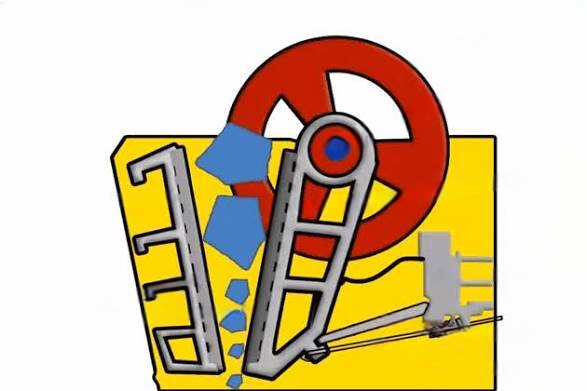
The main structural base, often a single-piece welded steel construction.
The stationary crushing surface and side liners.
The moving crushing surface, attached to the pitman (moving jaw holder).
The main shaft that converts rotary motion from the drive into the elliptical crushing motion of the movable jaw.
A safety component that transmits crushing force and acts as a mechanical fuse to protect the crusher from damage by uncrushable material (tramp iron).
Heavy wheels mounted on the eccentric shaft to store energy and smooth out the pulsating power demands of the crushing cycle.
An electric motor connected via V-belts and sheaves to the eccentric shaft.
A hydraulic cylinder or mechanical shims to set the discharge opening (CSS)
An integral oil lubrication system for bearings and the toggle.
Technical Data
| Specification | Max feeding (mm) | Discharging size (mm) | Processing ability (t/h) | Weight (Except motor) (kg) |
| PEX150x750A | 120 | 6-8 | 10-40 | 3000 |
| PEX150x100A | 120 | 8-10 | 15-50 | 6000 |
| PEX250x400 | 210 | 20-80 | 5-20 | 2700 |
| PEX400x600 | 350 | 40-100 | 17-115 | 6428 |
| PEX600x900 | 350 | 75-200 | 56-192 | 17625 |
| PEX250x1000A | 210 | 10-15 | 10-30 | 6500 |
Key Differentiators vs. Other Crushers
- vs. Hammer Crusher & Cage Crusher
- vs. Gyratory Crusher
- vs. Two-Stage/Semi-Wet/Chain Crusher
- Overall Position
A primary crusher designed for very large (up to 1m), hard, and abrasive feed. Operates on compression principle at lower speeds, while hammer and cage crushers are secondary/tertiary impact crushers for smaller, pre-crushed feed and operate at high speeds. Jaw crushers are built for extreme wear resistance, not for producing fine product.
Both are primary crushers. Jaw Crushers are generally preferred for smaller to medium capacity plants, offer simpler maintenance, and handle clayey or wet material better. Gyratory Crushers offer higher capacity for very large-scale mining but are more complex.
These are specialized secondary crushers for specific material types (organics, moist materials, brittle compounds). A Jaw Crusher serves a completely different, earlier stage in the process flow, preparing raw feedstock for these downstream machines.
It is the indispensable, heavy-duty primary crushing solution for fertilizer plants that process mined or quarried hard rock materials. It is the first and most critical step in the size reduction chain, setting the stage for all subsequent processing.